Suspension noise when turning slowly usually points to worn ball joints, bushings, or low lubricant.
I have spent years fixing cars and listening to odd sounds. I will walk you through why suspension noise when turning slowly happens. I explain how to find the cause. I share simple fixes and real tips from my shop work. Read on to learn what to check and when to act.
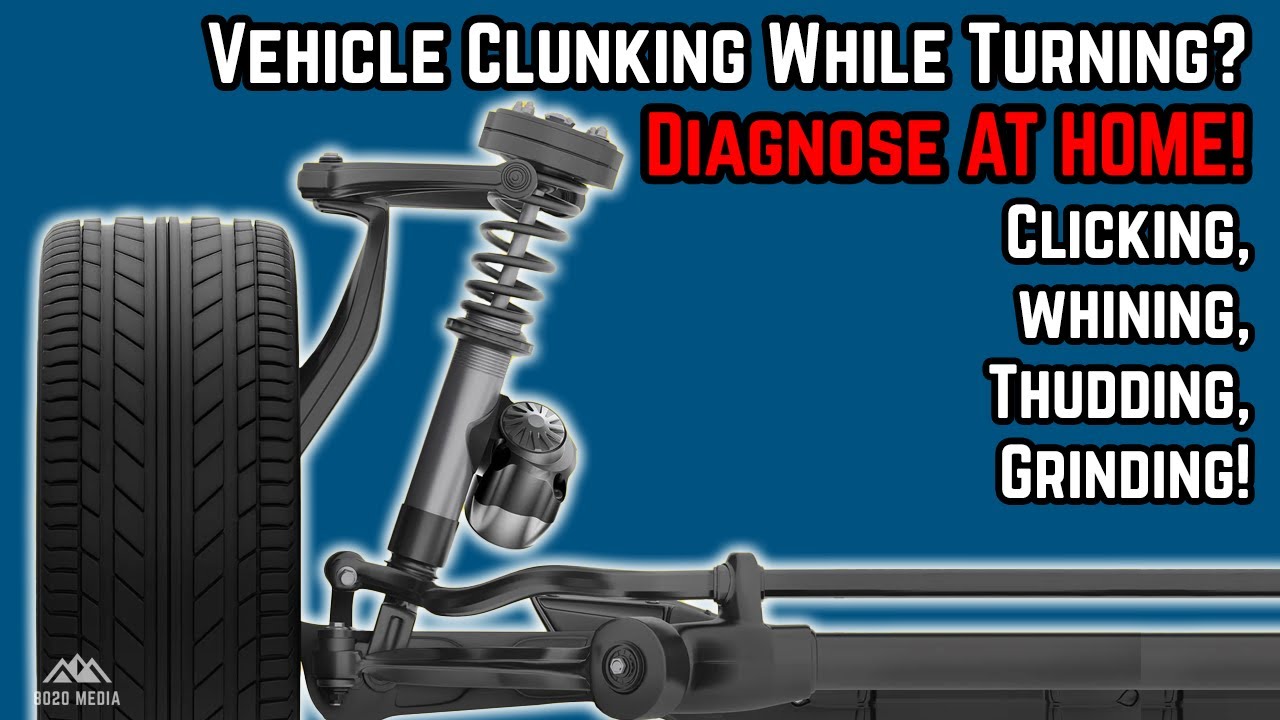
Common causes of suspension noise when turning slowly
Many parts can make a creak or clunk. Suspension noise when turning slowly often comes from worn or dry parts. These parts move under load as you steer. Small problems can get worse if you ignore them.
- Worn ball joints — They move when you steer and can click or clunk.
- Dry or split bushings — Rubber parts that crack and squeak on slow turns.
- Bad strut mounts or bearings — They rotate and can whine or creak.
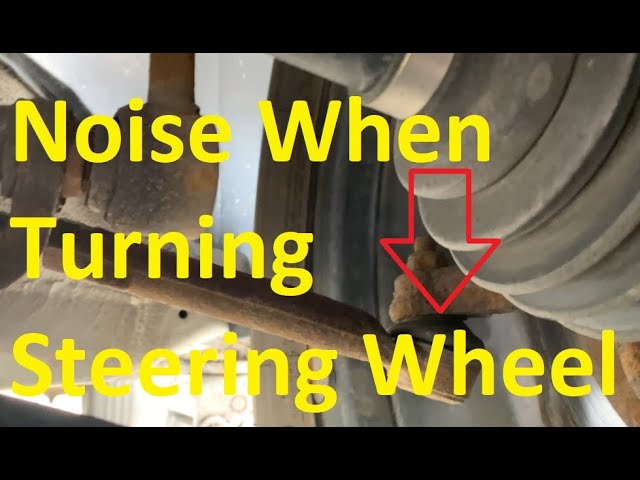
- Worn tie rods or steering links — These can click when you turn the wheel slowly.
- Low power steering fluid or old fluid — Causes groan or whisper as you turn.
- Worn wheel bearings — Rare but can make noise that changes with steering angle.

Source: autonationmobileservice.com
How to diagnose suspension noise when turning slowly
A quick, safe check helps find the source. Use clear steps to narrow down the cause. Work on flat ground and use gloves and eye protection.
- Listen carefully from inside the car while turning slowly left and right.
- Repeat the turn with the engine off and with the engine on. Note differences.
- Lift the car and wiggle the wheel to check ball joints, tie rods, and wheel bearings.
- Inspect bushings, strut mounts, and rubber parts for cracks or missing grease.
- Check power steering fluid level and condition. Old fluid looks dark or smells burnt.
- Use a pry bar to move control arms and watch for play or noise.
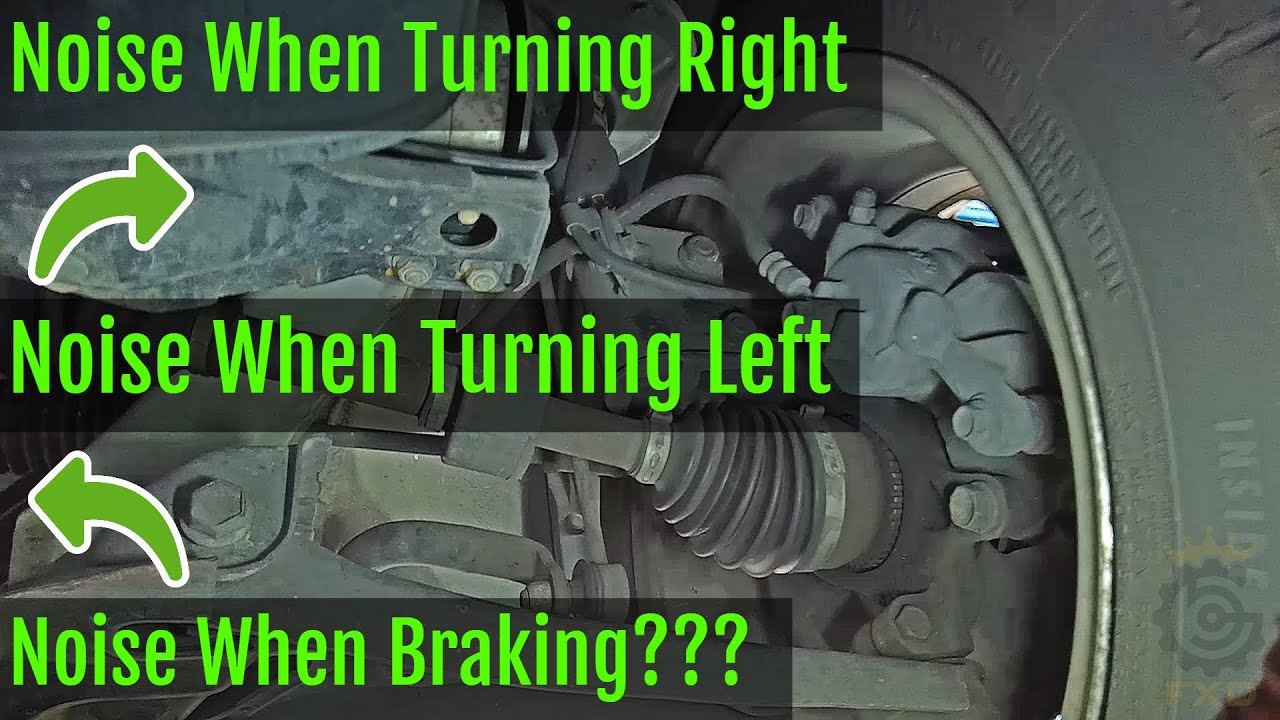
Source: youtube.com
Parts that often fail and make noise
Knowing the likely culprits saves time and money. Each part has a distinct feel or sound when it fails.
- Ball joints — Loose ball joints make clunks on slow turns or when hitting bumps.
- Control arm bushings — Creaky or squeaky on gentle steering moves.
- Strut mounts and bearings — Groan or creak when the strut rotates.
- Tie rods and ends — Clicking that gets worse with steering angle.
- Power steering pump — Whines at low speed, especially while turning.
- Wheel bearings — Rumbling or humming that shifts with steering or load.

Source: reddit.com
Repair options and estimated costs
Costs vary by vehicle and region. I list common fixes and ballpark ranges to help plan a repair.
- Replace ball joints — Typically moderate cost; often $150 to $400 per side including labor.
- Replace control arm bushings — Moderate to high; $200 to $600 per arm.
- Replace strut mount or bearing — $100 to $300 per strut.
- Replace tie rod ends — $50 to $200 each, plus alignment.
- Power steering service or pump replacement — Fluid flush $50 to $150; pump $150 to $500.
- Wheel bearing replacement — $150 to $400 per wheel.
Prices depend on parts quality and shop rates. Always get a written estimate before work.

Source: youtube.com
Prevention and maintenance tips
Simple care can stop suspension noise when turning slowly before it starts. Small steps extend part life.
- Inspect suspension at oil changes — Catch wear early.
- Grease fittings on ball joints and tie rods when present.
- Replace cracked or swollen bushings promptly.
- Flush power steering fluid per the maker’s schedule.
- Avoid potholes and heavy curb hits when possible.
- Get regular wheel alignment and tire rotation.

Source: wikihow.com
Personal experience and lessons learned
Once, a slow creak in my own car led to a worn strut mount. I ignored it for months. The sound grew louder and changed note. Replacing the mount fixed the noise and improved ride feel. Lesson learned: small noises mean parts are working harder. Fix early to save money and stay safe.
When to seek professional help
Some fixes you can try at home. Others need a pro and tools. If you feel unsafe or lack tools, see a shop.
- If there is play in ball joints or tie rods, get a mechanic to check.
- If steering feels loose or the wheel pulls, seek help right away.
- If you hear grinding or severe clunking, do not drive long distances.
- For wheel bearing or steering box work, use a certified shop.

Source: reddit.com
Frequently Asked Questions of suspension noise when turning slowly
What is the most common cause of suspension noise when turning slowly?
The most common cause is worn ball joints or bushings. These parts move under load and often make clunking or creaking sounds.
Can low power steering fluid cause the noise?
Yes. Low or dirty power steering fluid can cause whining or groaning when you turn the wheel slowly. A fluid check and flush often helps.
Is it safe to drive with a creak when turning slowly?
Short trips are usually okay, but do not ignore the sound. A loose suspension part can fail and affect control.
How do I tell if the noise is from a wheel bearing or steering part?
Wheel bearings make a steady rumble that changes with speed. Steering and suspension parts make clicks, clunks, or creaks tied to steering movement.
Will replacing bushings stop the suspension noise when turning slowly?
Often yes. Worn bushings cause creaks and play. New bushings reduce noise and improve handling.
How long does it take to diagnose and fix these noises?
A basic inspection takes 30 to 60 minutes. Repairs can take from one hour to a full day depending on parts and labor.
Can I use silicone spray or lubricant to stop the noise temporarily?
Lubricant can quiet dry bushings for a short time. It is a temporary fix. Replace worn parts for a long-term solution.
Should I get an alignment after suspension repairs?
Yes. Any steering or suspension work that changes geometry needs an alignment. This helps tire life and steering feel.
Do electric power steering systems make suspension noise when turning slowly?
Yes. EPS systems still rely on mechanical parts like bushings and bearings. Those parts can make noise when they wear.
Is this noise covered under warranty or road hazard on tires?
It depends on your warranty and the cause. Mechanical parts may be covered under certain warranties. Tire road hazard typically covers tire issues, not suspension parts.
Conclusion
Suspension noise when turning slowly is common and often fixable. Check ball joints, bushings, strut mounts, and power steering fluid first. Small fixes now save money and keep you safe. If you are unsure, get a pro to inspect and give an estimate. Try the tips here, watch for changes, and act early. Leave a comment with your car make and sound, or subscribe for more car care guides.