Steering wheel vibration at 40 mph usually means tire imbalance, bent rim, or suspension issues.
I have worked on cars and driven thousands of miles while diagnosing steering wheel vibration at 40 mph. I know how it feels, what usually causes it, and how to fix it without wasting time or money. Read on for clear steps, real tips from hands-on experience, cost ranges, and simple tests you can do today to pinpoint the problem.

What causes steering wheel vibration at 40 mph?
Steering wheel vibration at 40 mph comes from parts that spin or affect steering. Most often it is a tire or wheel balance issue. Other common causes include bent wheels, worn suspension parts, and loose lug nuts.
Common causes I see often:
- Tire imbalance or missing wheel weights
- Uneven tire wear or flat spots
- Bent rim from a pothole or curb hit
- Worn wheel bearings or tie rod ends
- Loose or incorrectly torqued lug nuts
- Brake rotor runout that transmits to the wheel when not braking
From my experience, a wobble that begins near 40 mph and gets worse with speed points to tires or wheels first. Fixing those usually stops the vibration fast. If it persists after balancing, look at suspension and bearings.

How to diagnose steering wheel vibration at 40 mph
Diagnose methodically. Start with the easiest checks and move to the harder ones. Keep tests short and safe.
Step-by-step checks I recommend:
- Drive at 40 mph on a smooth road and note whether the vibration is constant or only when braking.
- Check tire pressure and do a visual tire inspection for bulges, uneven wear, or missing weights.
- Swap front and rear tires if safe to do so, and see if the vibration moves with the tire.
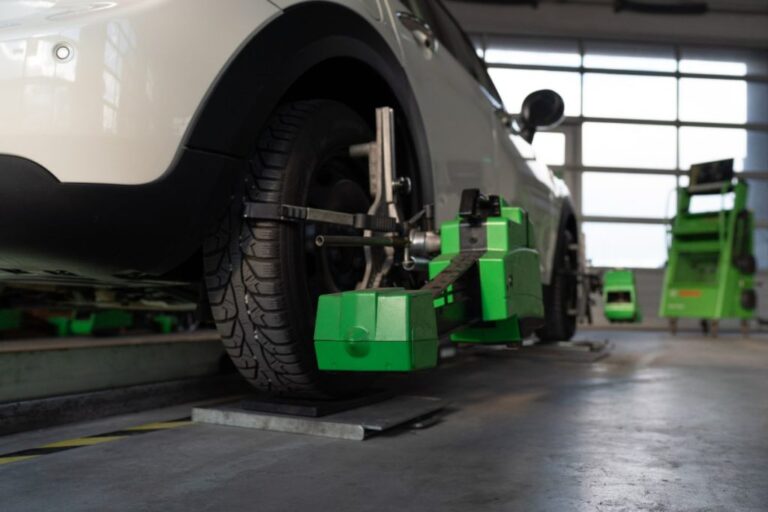
- Have a shop spin-balance the wheels to catch dynamic imbalance or radial issues.
- Inspect wheel bearings, tie rods, and ball joints for play or roughness.
I once found a slow vibration at 40 mph that balanced away at the shop. The shop’s road force balancing revealed a small flat spot from a previous puncture. A simple replacement solved it.

Fixes and repairs for steering wheel vibration at 40 mph
Fixes depend on the root cause. Start with balancing and inspection. Then move to replacements if needed.
Common fixes and what to expect:
- Wheel balancing and correct wheel weights — cheap and fast, often fixes the issue.
- Tire repair or replacement — needed for flat spots, severe wear, or internal damage.
- Rim repair or replacement — bent wheels can often be straightened or replaced.
- Wheel alignment — corrects uneven wear that can cause vibration.
- Replace worn suspension parts — tie rods, ball joints, and bearings can transfer vibration.
- Brake rotor resurfacing or replacement — if vibration appears when braking, rotors may be warped.
From my hands-on work, balancing resolves about half the cases. If balancing does not help, focus on suspension and bearings next. Always re-torque lug nuts to spec after any wheel service.

Preventive maintenance to avoid steering wheel vibration at 40 mph
Prevention is easy and saves money. Small checks every month stop most problems early.
Key preventive steps:
- Check tire pressure monthly and inflate to the recommended PSI.
- Rotate tires every 5,000 to 7,500 miles to avoid uneven wear.
- Balance wheels and replace worn tires before they cause vibration.
- Have wheel alignment checked annually or after hitting a big pothole.
- Avoid aggressive curb strikes and slow down for rough roads.
- Inspect suspension parts during regular oil or service visits.
I learned to never skip a tire pressure check. A small underinflation can speed uneven wear and lead to that 40 mph shake.

Costs and when to see a mechanic for steering wheel vibration at 40 mph
Costs vary with the fix. Start with balancing and inspection as low-cost steps. See a mechanic promptly if the vibration is strong or gets worse.
Typical cost ranges I’ve seen:
- Wheel balance: $15 to $50 per wheel
- Tire replacement: $80 to $250 per tire depending on size and brand
- Wheel alignment: $50 to $150
- Wheel bearing replacement: $200 to $500 per wheel
- Brake rotor replacement: $150 to $400 per axle
See a mechanic right away if the steering wheel vibration at 40 mph worsens, if you hear clunks, or if the car pulls to one side. Early diagnosis avoids larger bills and safety risks.

Frequently Asked Questions of steering wheel vibration at 40 mph
What does it mean when my steering wheel vibrates at 40 mph?
It usually means the tires or wheels are out of balance or damaged. It can also come from worn suspension parts or loose lug nuts.
Can tire pressure cause steering wheel vibration at 40 mph?
Yes. Low or uneven tire pressure can cause uneven wear and vibration. Check and correct pressure first before other tests.
Will balancing the tires always fix steering wheel vibration at 40 mph?
Balancing fixes many cases but not all. If vibration remains after balancing, inspect tires, rims, and suspension parts.
Is driving with steering wheel vibration at 40 mph dangerous?
Mild vibration is usually not immediately dangerous, but it can point to a worsening problem. Get it checked to avoid bigger failures.
How long does it take to fix steering wheel vibration at 40 mph?
Simple fixes like balancing take 30 to 60 minutes. Replacements or suspension work can take several hours or a day.
Conclusion
Steering wheel vibration at 40 mph is common and usually fixable. Start with tire and wheel checks, then move to suspension and brakes if needed. Use the step-by-step diagnostic approach here to save time and money. If the vibration persists or you feel unsafe, visit a trusted mechanic for a full inspection. Share your experience or questions below, and subscribe for more easy car tips and real repair advice.