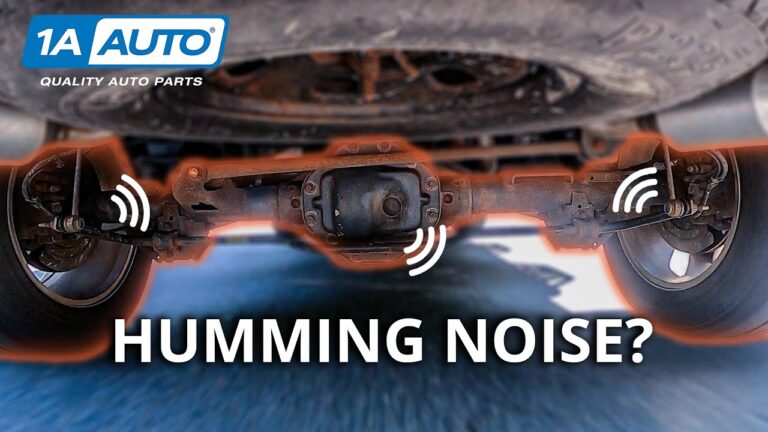
A shaking steering wheel at high speed usually points to wheel, tire, or suspension imbalance or damage.
I’ve spent years working on cars and helping drivers troubleshoot odd vibrations. If your steering wheel shaking at high speed, this guide walks you through why it happens, how to diagnose it, and what to do next. You’ll get clear, practical steps, DIY tips, and when to call a pro — all written in plain language so you can act fast and drive safe.

Why steering wheel shaking at high speed happens
Steering wheel shaking at high speed often comes from four main areas: tires and wheels, brakes, suspension and steering components, or drivetrain issues. Each area can cause vibration that grows worse with speed.
Common causes include:
- Wheel imbalance or bent rim causing oscillation at highway speeds.
- Tire problems like uneven wear, separation, or cupping.
- Loose or worn steering parts such as tie rods or control arm bushings.
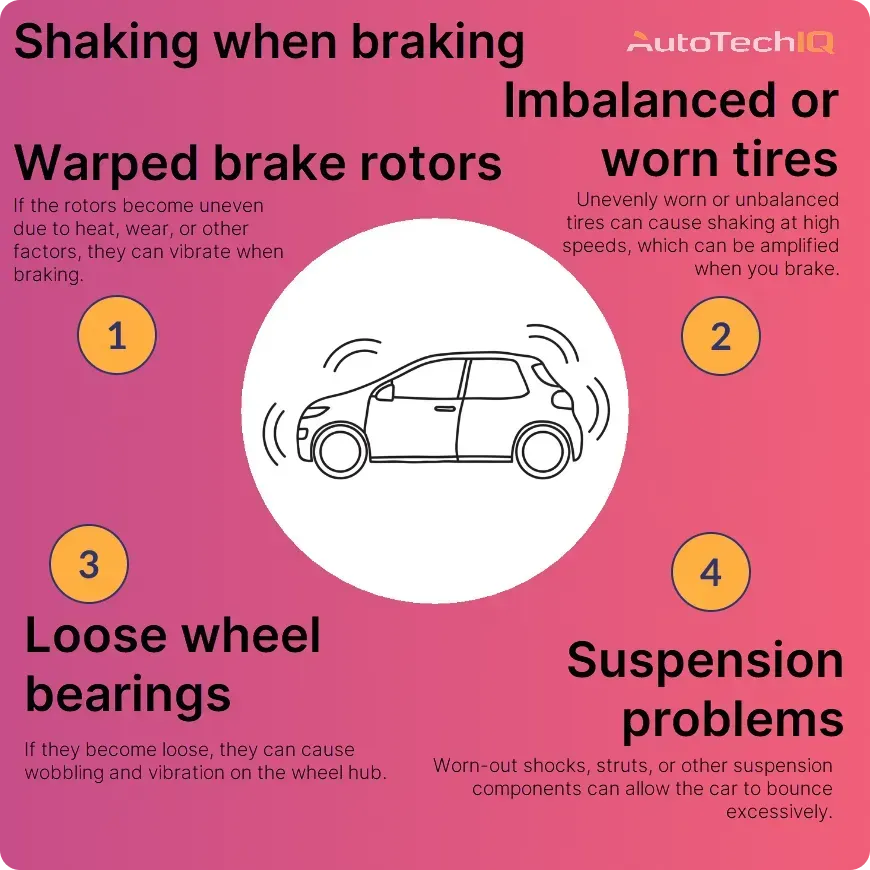
- Warped brake rotors that vibrate when braking at speed.
- Wheel alignment issues that create uneven forces at high speed.
- Worn wheel bearings or CV joints causing vibration felt in the steering.
I’ve seen many cases where drivers blamed the engine, but the real culprit was a small tire issue. Fixing the right part matters for safety and comfort.
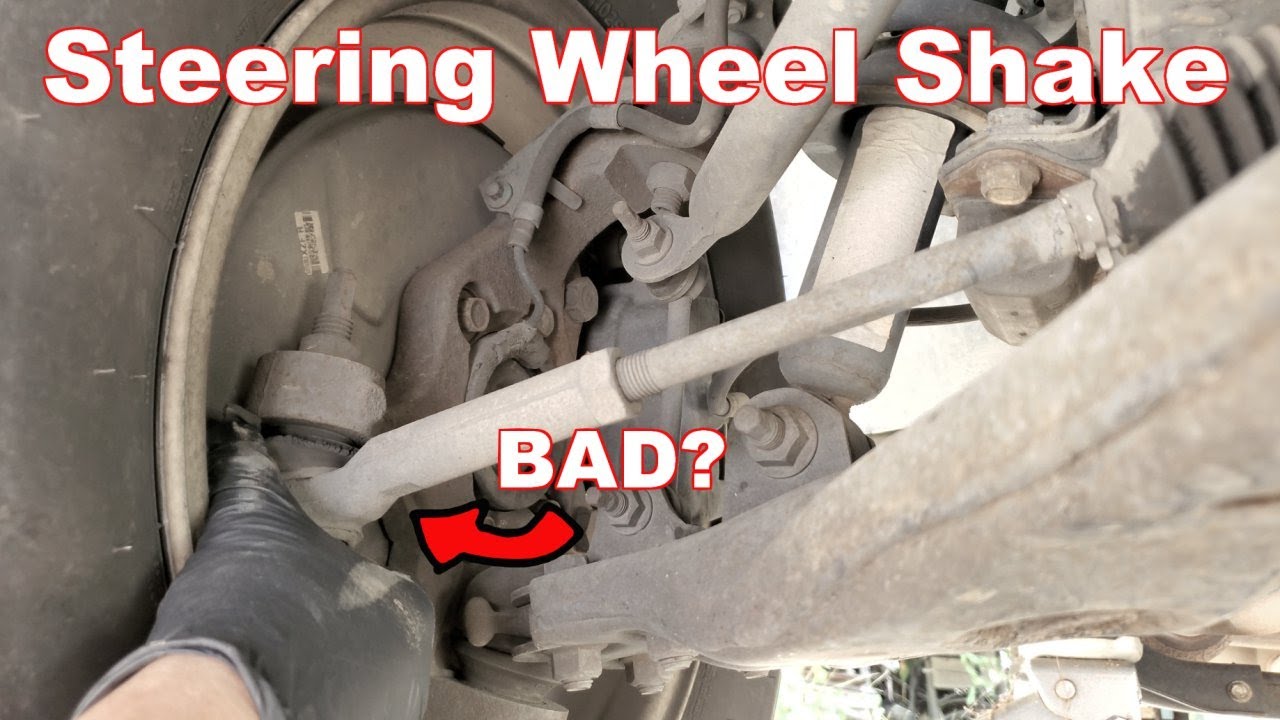
How to diagnose steering wheel shaking at high speed
Diagnosing steering wheel shaking at high speed is a step-by-step process you can start at home and finish at a shop if needed. Work in safe conditions and keep speeds legal.
Steps to diagnose:
- Check tires visually for cuts, bulges, or uneven wear. Run your hands along the tread and sidewall.
- Test at different speeds on a straight, flat road. Note the speed range where the shaking starts and how it changes.
- Try swapping front tires side-to-side if you can. If the vibration moves, the tire or wheel is the cause.
- Inspect wheel weights for missing balance weights and check rims for bends.
- Have someone apply the brakes gently at speed to see if vibration happens mainly during braking — that points to rotors.
- Listen for humming or grinding that could indicate wheel bearings or CV joints.
A clear test: if steering wheel shaking at high speed occurs only when braking, suspect rotors. If it’s constant at certain speeds, suspect wheel balance or tire issues.

Fixes and repairs: DIY and professional
Fixes range from simple to complex. Start with the easiest and cheapest checks, then move to professional service when needed.
DIY fixes you can try:
- Inflate tires to manufacturer pressure and inspect for damage.
- Rotate tires to see if the vibration changes sides.
- Tighten loose lug nuts to the correct torque.
- Replace missing wheel weights if you find them.
When to get professional help:
- Wheel balancing and rim repair require shop equipment.
- Tire replacement is best done at a tire shop for proper mounting and balancing.
- Brake rotor resurfacing or replacement should be done by a technician if rotors are warped.
- Worn steering, suspension parts, or wheel bearings need inspection and replacement by a mechanic.
Typical fixes and what to expect:
- Wheel balance: low to moderate cost, quick turnaround.
- Tire replacement: varies by tire type; essential if tread or sidewall is damaged.
- Alignment: recommended after suspension work, affordable and improves safety.
- Suspension/steering repairs: more costly; affects handling and safety.
From my experience, wheel balancing or a bad tire solves most cases of steering wheel shaking at high speed. If a shop recommends many part replacements, ask for old parts back and a clear explanation.

Maintenance to prevent steering wheel shaking at high speed
Routine checks can prevent most causes of steering wheel shaking at high speed. Small habits save money and reduce risk.
Simple maintenance tips:
- Check tire pressure monthly and before long trips.
- Rotate tires every 5,000 to 7,500 miles to promote even wear.
- Inspect tires for uneven wear, cuts, and bulges during washes or seasonal checks.
- Keep wheel bearings, steering, and suspension inspected per service intervals.
- Balance wheels and perform an alignment after new tires or suspension work.
Practical habits I use:
- I keep a small tire pressure gauge in the glove box and check it before highway trips.
- After hitting a pothole, I inspect the rim and feel for new vibration at low speed to catch problems early.
These habits reduce the chance you’ll feel steering wheel shaking at high speed and improve safety.
When to seek professional help
Some signs mean you should stop driving and call a professional right away. Don’t delay on these.
Red flags to act on:
- Loud grinding, clunking, or knocking with vibration.
- Steering becomes loose or vehicle pulls strongly to one side.
- Tires show visible damage like bulges or cords.
- Vibration worsens quickly or appears after impact (pothole, curb).
If you experience these, pull over safely and arrange towing if needed. A trained tech can run balanced, alignment, and component tests that are unsafe or impossible to do on the road.
Frequently Asked Questions of steering wheel shaking at high speed
What is the most common cause of steering wheel shaking at high speed?
Wheel imbalance and tire issues are the most common causes. A simple wheel balancing or replacing a damaged tire usually stops the vibration.
Can warped brake rotors cause vibration at high speed?
Warped rotors mainly cause vibration when braking, though severe warping can be felt at speed. If shaking occurs mostly during braking, rotors are likely the issue.
Is it dangerous to drive with a shaking steering wheel at high speed?
Yes, it can be dangerous because shaking may hide a serious issue and can reduce steering control. Drive slowly and get the car checked as soon as possible.
Will wheel alignment fix steering wheel shaking at high speed?
Alignment helps handling and tire wear but won’t fix imbalance or damaged tires. Alignment is often recommended after other repairs to prevent recurrence.
How much does it cost to fix steering wheel shaking at high speed?
Costs vary: wheel balancing is inexpensive, tires cost more, and suspension repairs cost more still. Expect a few tens for balancing, a few hundred for tires, and several hundred for major suspension work.
Can old tires cause steering wheel shaking at high speed?
Yes, old tires can develop uneven wear, separation, or flat spots that cause vibration. Replacing old or damaged tires often solves the problem.
Conclusion
Steering wheel shaking at high speed usually traces back to tires, wheels, brakes, or suspension. Start with simple checks like pressure and visual inspection, then test on the road and progress to balancing or professional diagnostics. Act promptly when you notice vibration — it keeps you safer and prevents bigger repairs. If you’ve dealt with this issue, try the steps here and share your experience or questions below to help others find the right fix.