A loose steering wheel usually stems from worn steering components, loose hardware, or steering column issues.
I have worked on many cars and trucks with steering play. I know how unsettling a loose steering wheel can feel. This guide breaks down loose steering wheel causes in plain terms. You will learn how to spot the problem, what parts fail, how mechanics diagnose it, what you can try safely at home, and when to get professional help. I blend hands-on experience with clear tech detail so you can act with confidence and keep your drive safe.

What causes a loose steering wheel?
A loose steering wheel often comes from wear or loose parts in the steering system. Many small failures add up to steering play. Below are the main loose steering wheel causes you should know.
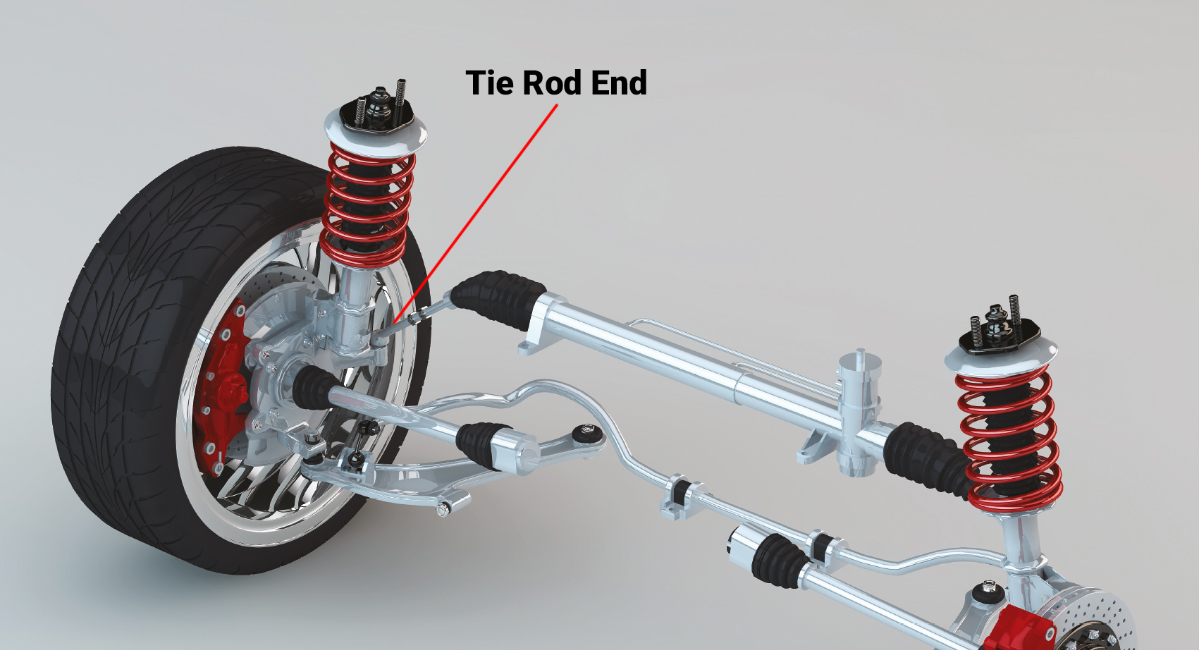
- Worn tie rod ends. These connect the steering to the wheels and wear with miles.
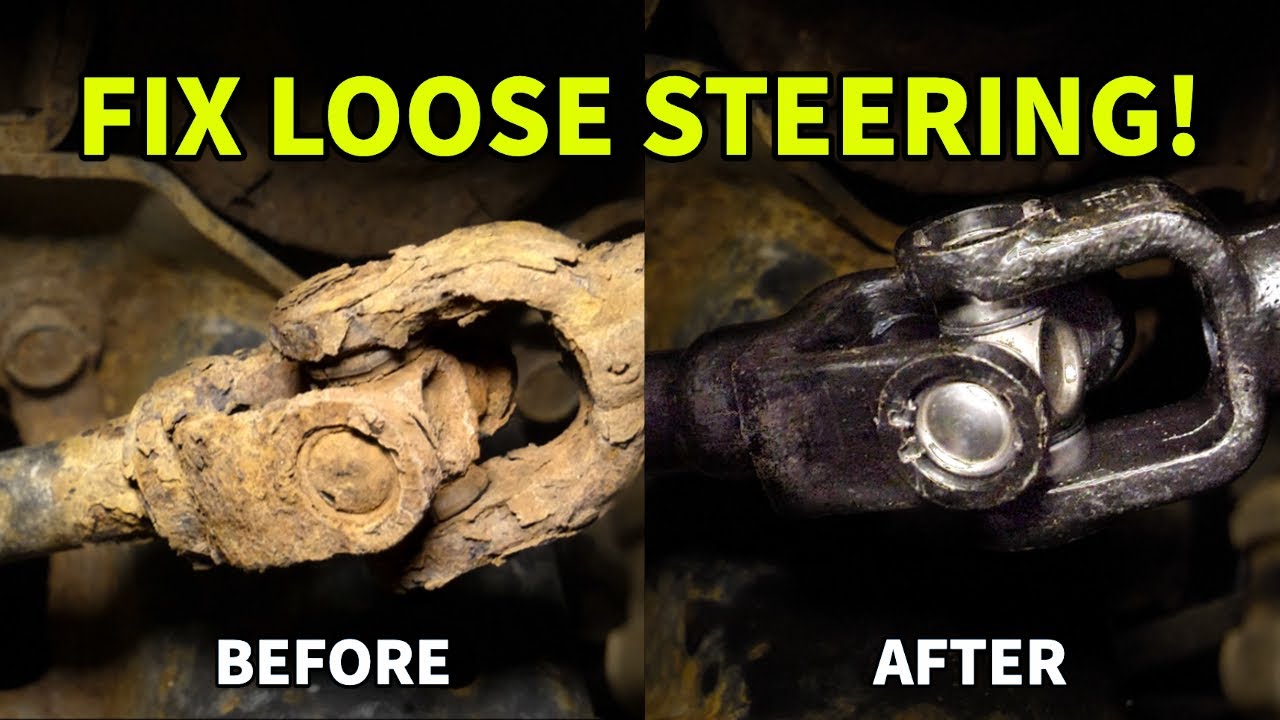
- Loose or damaged steering column joints. Universal joints can wear or bolt heads can back off.
- Worn steering rack or gearbox. Internal wear creates free play in the steering input.
- Loose steering wheel mounting nut. The wheel can be loose on the column if the nut is not tight.
- Bad or worn steering box bushings. Bushing wear lets the shaft move inside the box.
- Faulty steering coupler or rag joint. Rubber couplers crack and create slack.
- Worn ball joints or control arm bushings. Suspension wear shows up as steering play.
- Improper wheel alignment or bent components. Impact damage or poor alignment can feel like looseness.
- Worn wheel bearings. Extra play at the hub can transmit to the steering wheel.
- Power steering issues. Low fluid or failing assist can change feel and mimic looseness.
Every vehicle is different, but these are the common loose steering wheel causes I’ve seen repeatedly in shops and on my own cars. Early diagnosis can stop a small problem from becoming a crash risk.

Symptoms and safety risks of a loose steering wheel
A loose steering wheel can be more than annoying. It can be dangerous. Know the signs so you can act quickly.
- Excess play before the wheels turn. The wheel moves several degrees with no effect on direction.
- Wandering or poor lane holding. The car drifts and needs constant correction.
- Clunking or clicking when turning. Sounds often point to worn joints or loose parts.
- Vibration or shimmy through the steering wheel. This can indicate hub, bearing, or tire issues.
- Uneven tire wear. Poor steering geometry wears tires fast.
- Steering wheel off-center. The wheel may not sit straight when driving straight.
Safety risks include loss of precise control, longer stopping or recovery time, and higher crash risk. If you feel major play or sudden changes in steering feel, stop driving and have it checked.

How mechanics diagnose loose steering wheel causes
Mechanics follow a clear checklist to find steering play. The tests are fast and reliable.
- Visual inspection. Check tie rods, boots, rack, column joints, and fasteners for wear or looseness.
- Wheel lift test. With the car safely lifted, the tech checks for play at the wheel, tie rods, and bearings.
- Steering wheel play measurement. Measure degrees of free play to match service limits.
- Rack and pinion check. Inspect seals and internal wear by feeling and pressure tests.
- Road test. A test drive helps identify wandering, noise, and how the car reacts under load.
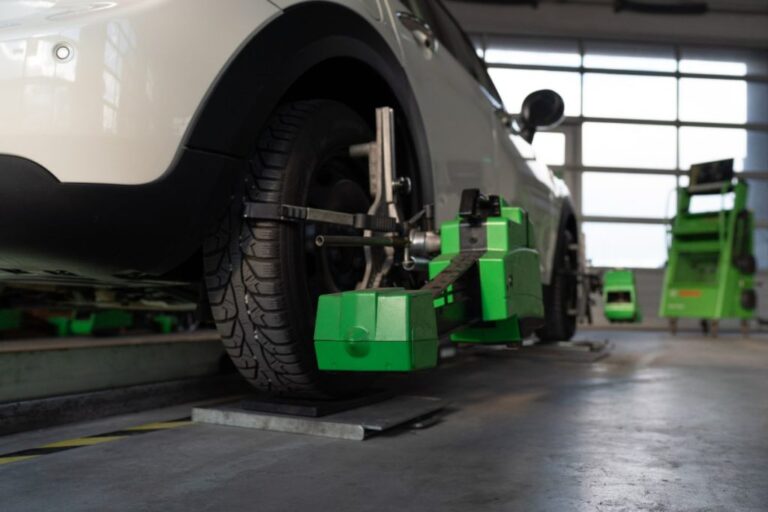
- Alignment check. Confirm geometry and detect bent control arms or blockages.
Mechanics often combine these steps. They start with the simplest checks and move to deeper tests. This method helps isolate which of the loose steering wheel causes is the real culprit.
DIY fixes and when to call a professional
Some fixes are simple. Others need specialist tools and experience. Here’s what you can try and when to see a pro.
What you can check or fix at home
- Check steering wheel nut. Remove the cover and confirm the center nut is tight to spec.
- Inspect tie rod ends and boots. Look for torn boots or heavy play by moving the wheel back and forth.
- Check power steering fluid. Low fluid can change feel and should be topped up to the correct level.
- Tighten loose bolts. Tighten loose column or steering wheel bolts if you can access them easily.
- Visual check for broken parts. Replace visibly cracked couplers or worn rubber parts.
When to call a professional
- If you measure significant play or hear clunks. This often needs part replacement.
- If the steering rack or box looks worn. Replacing the rack or gearbox needs tools and alignment.
- For wheel bearing or suspension work. Safety-critical parts need professional repair.
- When the wheel alignment is off. After steering work, an alignment is essential.
Cost guide (rough ranges; vary by vehicle and region)
- Tightening bolts or topping fluid: $0–$50 if you DIY, $50–$150 at a shop.
- Tie rod end replacement: $100–$300 per side installed.
- Steering rack replacement: $400–$1,500 depending on car and whether the rack is rebuilt or new.
- Steering box rebuild or replacement: $300–$1,200.
- Wheel bearing replacement: $150–$400 per wheel.
From my experience, simple fixes like a loose nut or low fluid are common and cheap. But worn racks and tie rods are frequent loose steering wheel causes that cost more and should be handled by pros.
Preventing loose steering wheel causes: maintenance tips
Regular care reduces the chance of sudden steering problems. These habits keep parts healthy and cut repair bills.
- Regular inspections. Check steering and suspension at every oil change or tire rotation.
- Replace worn boots and bushings early. Small parts are cheap; delays raise costs.
- Keep tires inflated and balanced. Good tires reduce stress on steering parts.
- Flush power steering fluid per schedule. Clean fluid extends rack life.
- Avoid potholes and curb strikes. Impacts bend parts and cause loose steering wheel causes.
- Get alignments after repairs. Proper alignment prevents uneven wear and preserves steering feel.
I once ignored a torn tie rod boot for months. The joint failed and caused a mid-speed swerve. Lesson learned: small neglect can lead to big risk. Regular checks are simple and safe.

Parts that commonly fail and what they do
Understanding parts helps you spot issues fast. Here are the components tied to loose steering wheel causes.
- Tie rod ends. They link the steering rack to the wheels and allow steering motion.
- Steering rack and pinion. This converts steering wheel motion into wheel turn.
- Steering column and universal joints. They transmit steering input to the rack.
- Steering wheel hub and mounting nut. A loose hub or nut creates immediate play.
- Steering box and bushings. Older designs use a box that can wear internally.
- Power steering pump and hoses. Failures change steering feel and can mask play.
- Ball joints and control arm bushings. Worn suspension parts change steering geometry.
- Wheel bearings. Play at the hub shows as steering looseness.
Knowing the role of each part helps you communicate clearly with your mechanic. It also helps you prioritize safety fixes based on cost and risk.

Frequently Asked Questions of loose steering wheel causes
What is the most common cause of a loose steering wheel?
The most common cause is worn tie rod ends or a worn steering rack. These parts wear with miles and cause obvious play at the wheel.
Can low power steering fluid cause steering wheel looseness?
Low fluid mainly affects steering effort and feel. It can make the system less responsive and sometimes mimic loose steering wheel causes.
Is it safe to drive with a slightly loose steering wheel?
Small play may be safe for short drives to a repair shop, but any noticeable or growing play is unsafe. Get the car inspected promptly.
How long does it take to fix steering play?
Simple fixes like tightening bolts or topping fluid take under an hour. Replacing a rack or tie rods can take a few hours plus time for alignment.
Will a wheel alignment fix a loose steering wheel?
An alignment can correct tracking and tire wear but it will not fix worn parts. Replace worn components first, then get an alignment.
Can worn wheel bearings feel like steering play?
Yes. Wheel bearings with internal play let the hub move and this can feel like steering looseness. A lift inspection will reveal bearing play.
Conclusion
Loose steering wheel causes can range from a loose nut to worn racks and tie rods. Early checks lower risk, save money, and keep you safe on the road. Use the inspection steps and prevention tips here to act quickly. If you feel unsafe, stop driving and seek professional help. Share your experience, ask a question below, or subscribe for more repair guides and practical tips.