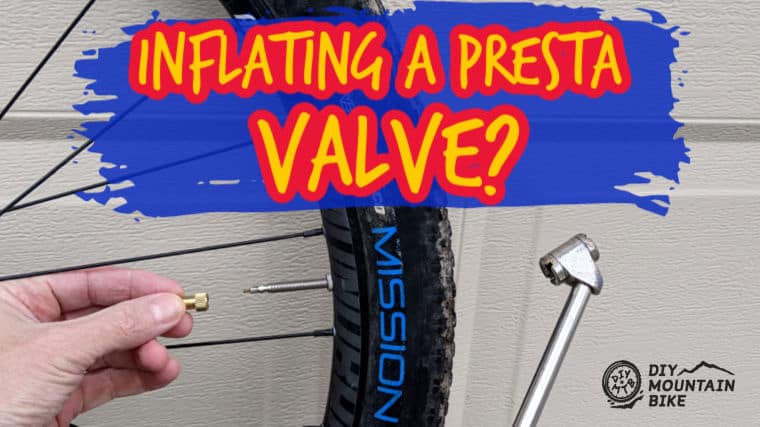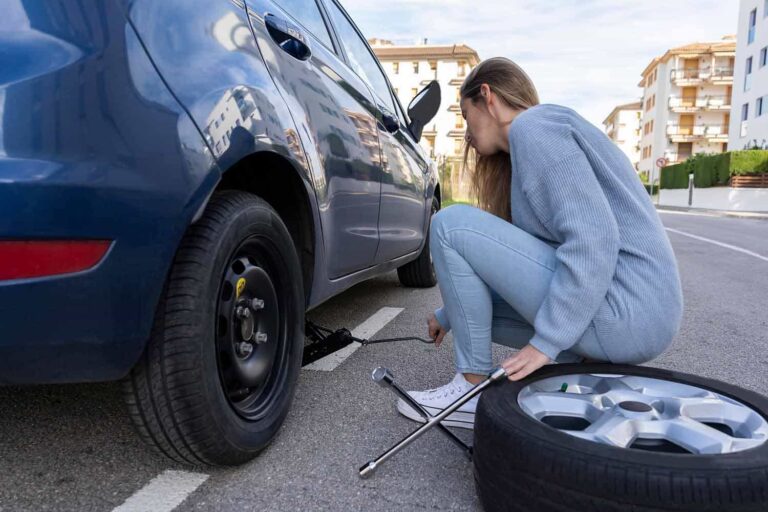
Connect the VacLife, set the target PSI, attach the nozzle, and run until it stops.
I’ve used the VacLife many times and I’ll walk you through exactly how to use vaclife tire inflator so you get fast, accurate results every time. This guide covers setup, step-by-step operation, common mistakes, upkeep, and safety. Read on to master how to use vaclife tire inflator with confidence and avoid roadside stress.

What the VacLife Tire Inflator Is and Why It Helps
The VacLife tire inflator is a compact, portable air pump. It runs on a 12V car socket or a built-in battery on some models. It measures tire pressure and fills tires to a set PSI automatically. Knowing how to use vaclife tire inflator saves time and keeps your tires at the right pressure for safety and fuel economy.
I tested a VacLife unit over several months on cars and bikes. It inflated tires quickly and was easy to store. Small tips from that experience appear below so you don’t repeat my early mistakes.
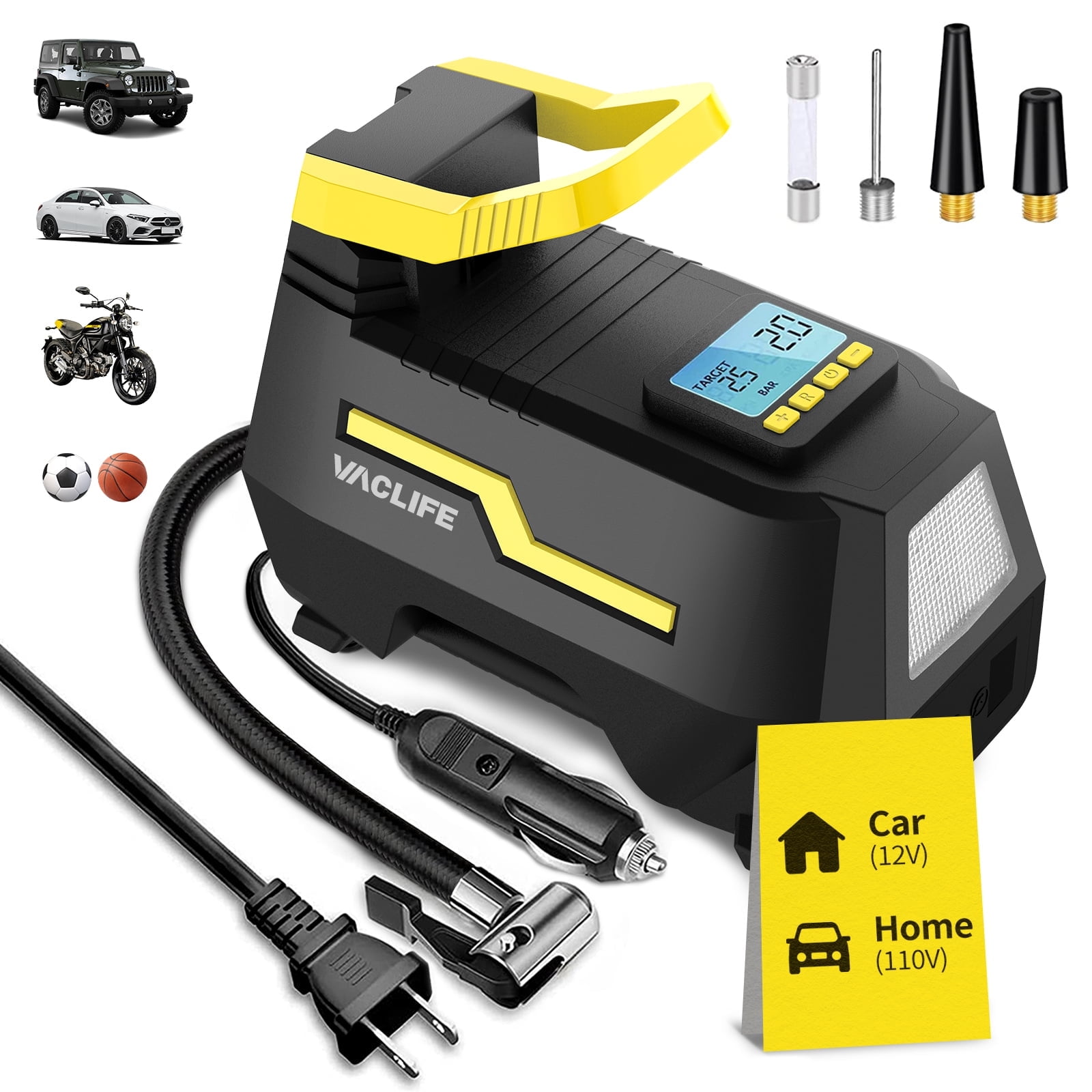
How to Use VacLife Tire Inflator — Step-by-Step Guide
-
Prepare your vehicle and the inflator.
- Park on level ground and turn off the engine.
- Check the recommended PSI on the driver door jamb or owner’s manual.
- Unpack the VacLife and plug it into the 12V outlet or charge its battery.
-
Inspect the tire and valve.
- Remove the valve cap and look for damage or debris.
- If you see a nail or puncture, avoid inflating until you assess the leak.
- Keep the valve cap in a safe place while you work.
-
Power on and set the target PSI.
- Turn the VacLife on.
- Use the buttons to set the recommended PSI.
- Confirm the display reads the right target pressure.
-
Attach the hose securely.
- Push the inflator’s nozzle onto the valve stem.
- Use the clamp or twist connector to lock it in place.
- A secure seal prevents air loss and gives accurate readings.
-
Start inflation.
- Press the start or play button.
- The VacLife will pump air and show current PSI.
- Wait until it reaches the set PSI and automatically stops or beeps.
-
Verify and disconnect.
- Recheck the tire pressure with the inflator or a reliable gauge.
- If needed, add or release small amounts of air.
- Remove the nozzle, replace the valve cap, and stow the inflator.
-
Repeat for each tire.
- Inflate spare tires when needed.
- Store the VacLife in an easy-to-reach spot for emergencies.
I repeat these core steps because practice makes them feel natural. Learning how to use vaclife tire inflator this way prevents mistakes and saves time.
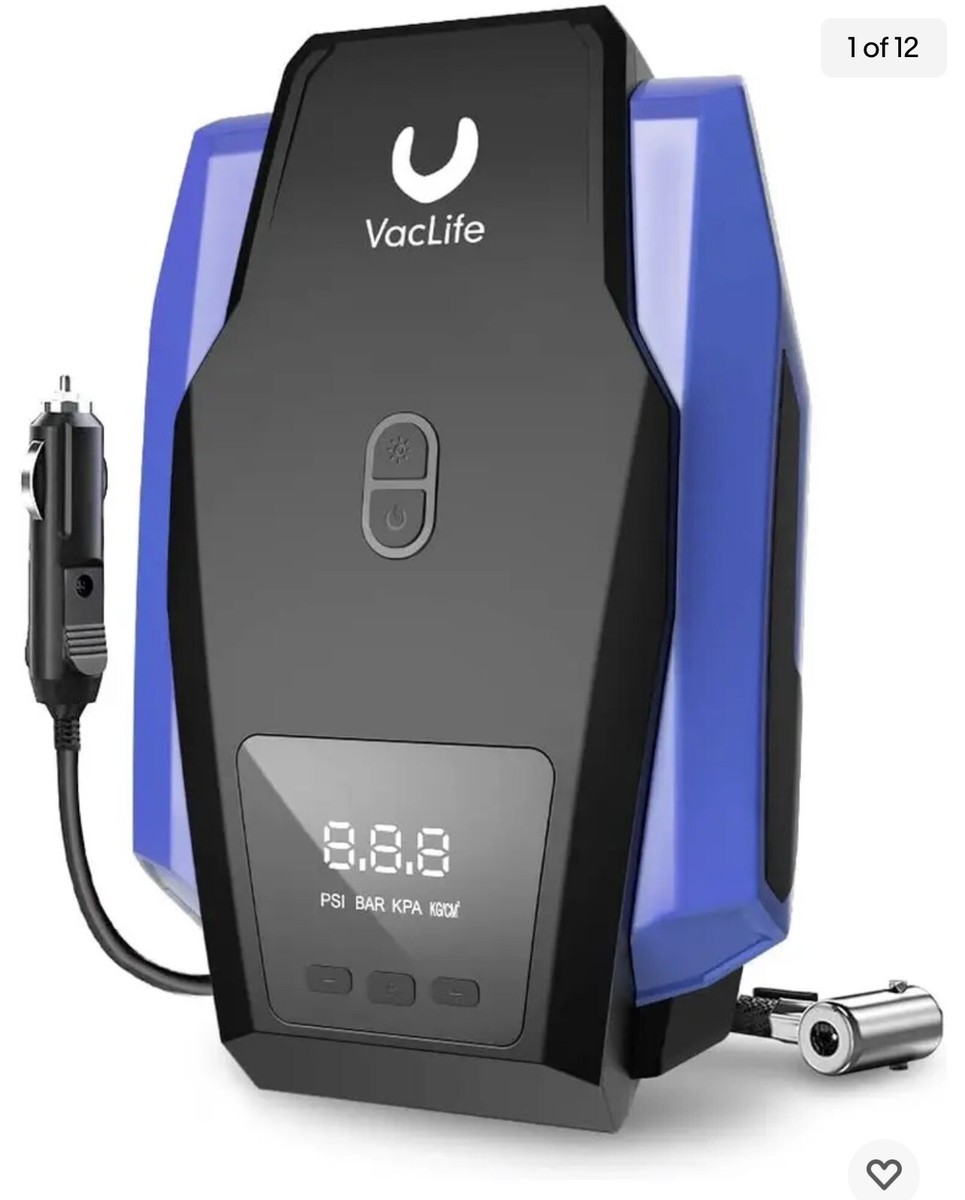
Tips, Tricks, and Common Mistakes
- Always set PSI from the vehicle manufacturer’s recommendation, not the tire sidewall. The sidewall shows max PSI, not the correct operating pressure.
- Warm tires after driving can read higher. Let tires cool 20–30 minutes for an accurate baseline.
- If the inflator keeps running, check for a loose nozzle. A poor seal causes slow filling and false readings.
- Avoid overinflation. Stop a bit below target and fine-tune with short bursts.
- Carry a simple manual gauge. It helps verify the VacLife reading and builds trust in the device.
From my experience, the most common mistake is rushing the nozzle on. A single jerk can damage the valve and cause a slow leak. Take a few extra seconds to secure the connection.
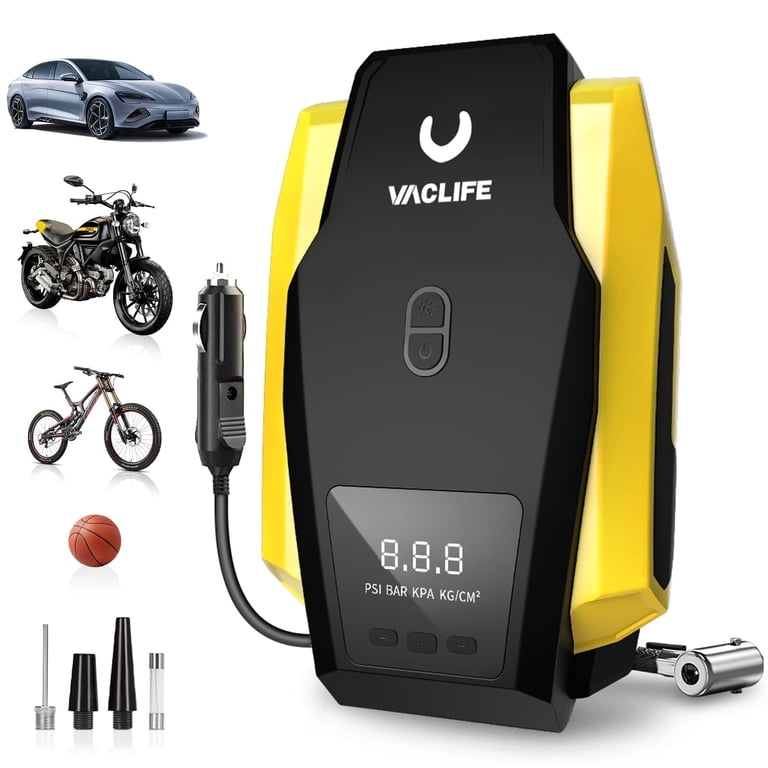
Maintenance, Storage, and Safety
- Clean the nozzle and hose occasionally. Dirt can block the seal and cause leaks.
- Recharge the unit after heavy use. A partially charged inflator may run slower.
- Store the VacLife in a cool, dry place. Avoid direct sunlight or damp trunks.
- Check the power cable and fuse. Replace frayed cords or blown fuses before use.
- Use hearing protection if you inflate many tires at once. Some inflators can be noisy.
Safety first: do not leave the inflator running unattended. If you smell burning or see smoke, unplug it immediately. These simple steps prolong the device life and ensure safe operation when you need to use vaclife tire inflator.

Benefits and Limitations
Benefits
- Portable and lightweight. Easy to keep in the trunk.
- Fast inflation for cars, bikes, and inflatables.
- Digital readouts reduce guesswork and improve accuracy.
Limitations
- Battery limits on cordless models. Heavy use needs a car socket.
- Small inflators are slower than shop compressors for very low tires.
- Some models heat up during long runs. Allow cool-down breaks.
Understanding both the strengths and limits helps you set realistic expectations for how to use vaclife tire inflator. Use it for quick fixes and routine maintenance, not heavy-duty garage tasks.

Frequently Asked Questions of how to use vaclife tire inflator
How long does it take to inflate a car tire with VacLife?
Most car tires take 3–8 minutes depending on starting pressure and model. Slightly underinflated tires fill faster; near-target top-ups take less time.
Can I use VacLife on bicycle tires?
Yes. Use the correct nozzle or adapter. For high-pressure road tires, inflate slowly and check with a precise gauge.
Does VacLife automatically stop at the set PSI?
Many VacLife models stop or beep at the set PSI. Always watch the final reading and verify with a separate gauge if unsure.
Is it safe to leave VacLife plugged in overnight?
No. Don’t leave it unattended for long periods. Overheating or power faults can create hazards.
What if the inflator reads incorrectly?
Check the nozzle seal, battery level, and device calibration. Use a trusted manual gauge to confirm readings and contact support if differences persist.
Can VacLife inflate a flat spare tire?
Yes, if the spare has no major damage. Set the correct PSI and monitor progress closely.
Conclusion
You now have a clear, practical plan for how to use vaclife tire inflator. Follow the steps, keep short checks on PSI, and do basic maintenance. Start by inflating one tire slowly and you’ll build confidence fast. Try the VacLife on a weekend check, and leave a comment about your first test or questions to learn more.