Use jumper cables with a running donor car and follow clear safety steps to avoid sparks.
I have jumped cars in rain, snow, and on hot summer days. I know what works and what can go wrong. This guide on How to jump-start a car safely walks you through the gear, the step-by-step process, safety checks, and common mistakes. Read on to feel ready and confident the next time a battery dies.
Why batteries die and when to jump-start
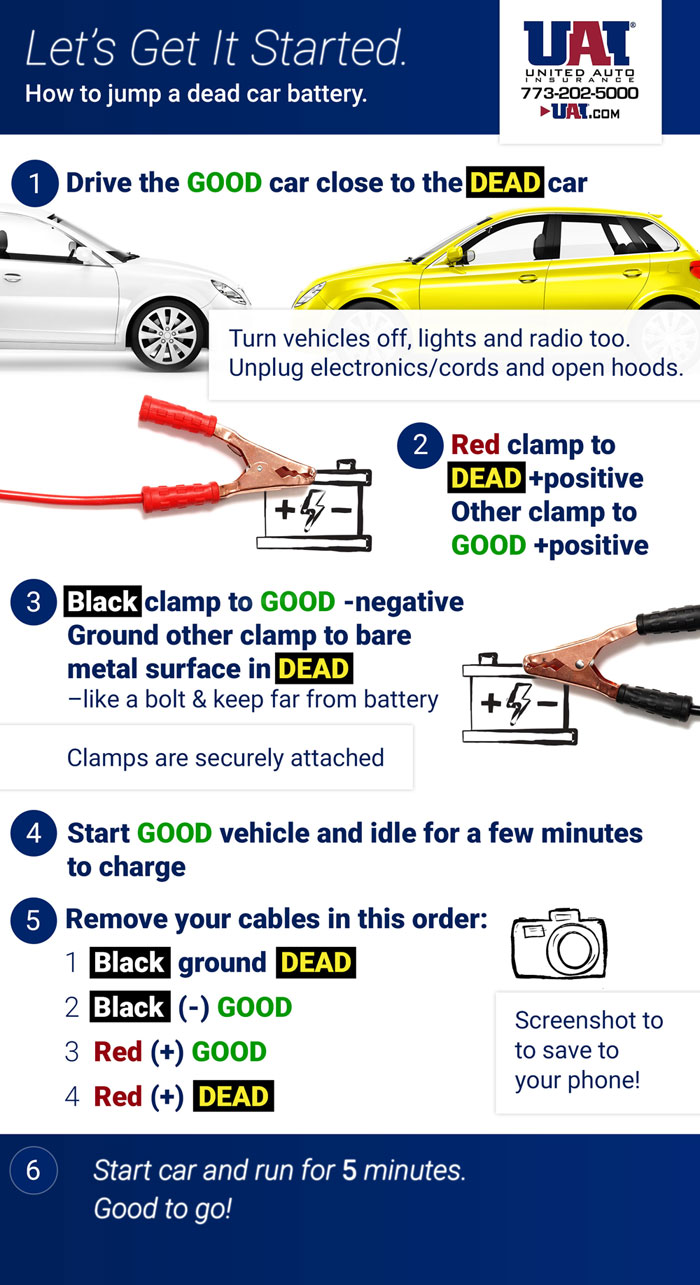
Car batteries fail for simple reasons. They age, get drained by lights, or suffer in cold weather. A healthy battery holds a charge. When a car clicks, or the lights are dim and the starter is silent, it often means the battery needs a jump.
Knowing when to jump matters. If the battery is damaged, leaking, or the car shows electrical burning smells, do not jump-start. In those cases, call roadside help or a mechanic. How to jump-start a car safely starts with the right decision to jump or tow.
What you need before you start
- A set of jumper cables in good condition. Make sure the clamps are clean and tight.
- A donor car with a compatible 12V battery and a working engine.
- Safety gear like gloves and eye protection when possible.
- A flat, stable place to park both cars with parking brakes engaged.
- A phone to call help if something goes wrong.
Check both cars for fuel type and electronics. Some modern cars and hybrids have special rules. When in doubt, consult the owner’s manual. Knowing the tools and checks is the first step in How to jump-start a car safely.
Step-by-step: How to jump-start a car safely
- Position the cars close but not touching. Face them so cables can reach both batteries. Put both cars in park or neutral and engage the parking brakes.
- Turn off all electronics in both cars. Remove keys from ignitions. Switch off headlights, radios, and heater fans.
- Identify positive (+) and negative (−) battery terminals. Clean heavy corrosion if safe to do so.
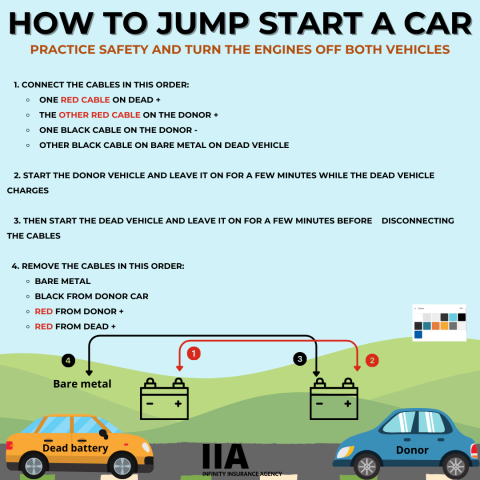
- Attach cables in this order:
- Clamp the red cable to the positive (+) terminal of the dead battery.
- Clamp the red cable to the positive (+) terminal of the donor battery.
- Clamp the black cable to the negative (−) terminal of the donor battery.
- Clamp the black cable to an unpainted metal surface on the dead car, away from the battery and fuel lines.
- Start the donor car and let it run for a few minutes at idle. This charges the dead battery slowly.
- Try starting the dead car. If it starts, keep both engines running for 5–10 minutes before disconnecting.
- Disconnect cables in reverse order:
- Remove the black clamp from the grounded metal on the formerly dead car.
- Remove the black clamp from the donor battery.
- Remove the red clamp from the donor battery.
- Remove the red clamp from the formerly dead battery.
Follow each step slowly and clearly. The order reduces risk of sparks. Practicing this method will build your confidence in How to jump-start a car safely.
Safety tips and common mistakes
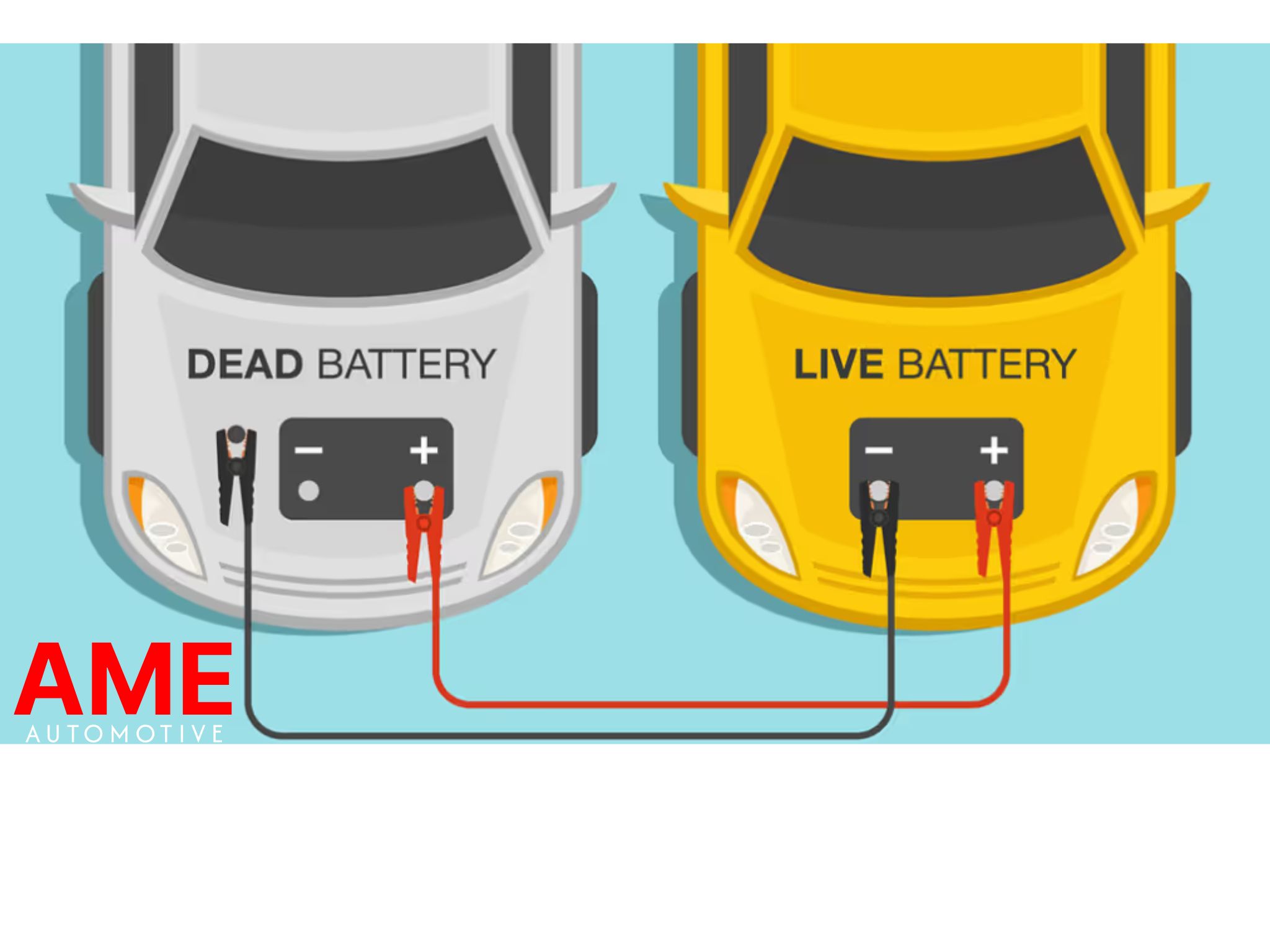
- Never let clamps touch each other when connected to a battery. This can short the battery.
- Avoid connecting the black cable to the dead battery’s negative terminal. Grounding to the chassis is safer.
- Don’t lean over the battery while starting. Batteries can release flammable gas.
- If the battery looks swollen, cracked, or leaks, do not jump it. Call for help.
- Be cautious with modern cars. Some newer models recommend using specific jump points. Check the manual.
A common mistake is rushing. Take your time. I once rushed and had a clamp slip. It created a spark and a big scare. Slowing down is part of How to jump-start a car safely.

Aftercare and testing
- After a successful jump, drive the car for at least 20–30 minutes to let the alternator recharge the battery.
- If the car dies again after stopping, the battery may not hold a charge. Get the battery and alternator tested.
- Clean terminals and clamps to prevent future corrosion. Use a small wire brush if needed.
- Consider replacing an older battery proactively. Most last 3–5 years depending on climate and use.
Listen for odd sounds and watch for warning lights. If charging system problems persist, see a mechanic. These follow-up steps complete the How to jump-start a car safely process.

Troubleshooting common problems
- The dead car still won’t start: Let the donor car run longer. If it still won’t start, the starter or battery may be bad.
- Donor car dies after connecting: The donor may have a weak battery or alternator issue. Stop and get help.
- Lights flicker or electronics act odd: A weak alternator or poor connection may be the cause. Tighten clamps and retest.
- Cables heat up: That indicates a poor connection or heavy current draw. Disconnect immediately and reassess.
Staying calm helps. I once fixed a stubborn no-start by switching grounding points and letting the donor idle longer. Small changes can solve many problems in How to jump-start a car safely.

Frequently Asked Questions of How to jump-start a car safely
How long should I let the donor car run before starting the dead car?
Let the donor car run for about 3 to 5 minutes at idle to transfer charge. In cold weather, a few extra minutes can help.
Can I jump a car with a dead key fob or immobilizer?
A dead key fob usually won’t stop the engine from starting if the battery is fine. If the car has an immobilizer, follow the owner’s manual or call roadside assistance.
Can I use a portable jump starter instead of another car?
Yes, a portable jump starter is often safer and easy to use. Follow the device instructions and ensure it has enough charge.
Is it safe to jump a hybrid or electric vehicle?
Most hybrids and EVs have special procedures and may not be safe to jump like a regular 12V car. Check the manual or contact the dealer.
What if my car starts but then dies again?
That can mean the battery is failing or the alternator is not charging. Get the battery and charging system tested soon.
Conclusion
Knowing How to jump-start a car safely gives you a useful skill that can save time and stress. Follow the right steps, use good gear, and never skip safety checks. Practice once in a calm setting so you are ready in an emergency. Try these steps next time, subscribe for more car tips, or leave a comment sharing your own jump-start stories.