You can fill low tires at a gas station in minutes using the station air hose and a pressure gauge.
I’ve inflated hundreds of tires at gas stations and taught drivers how to do it safely. This guide on how to inflate car tires at gas station gives clear steps, safety tips, and real-world lessons so you leave with the right pressure, better handling, and fewer surprises on the road. Read on for easy steps, common mistakes, and quick answers that save time and money.
Why correct tire pressure matters
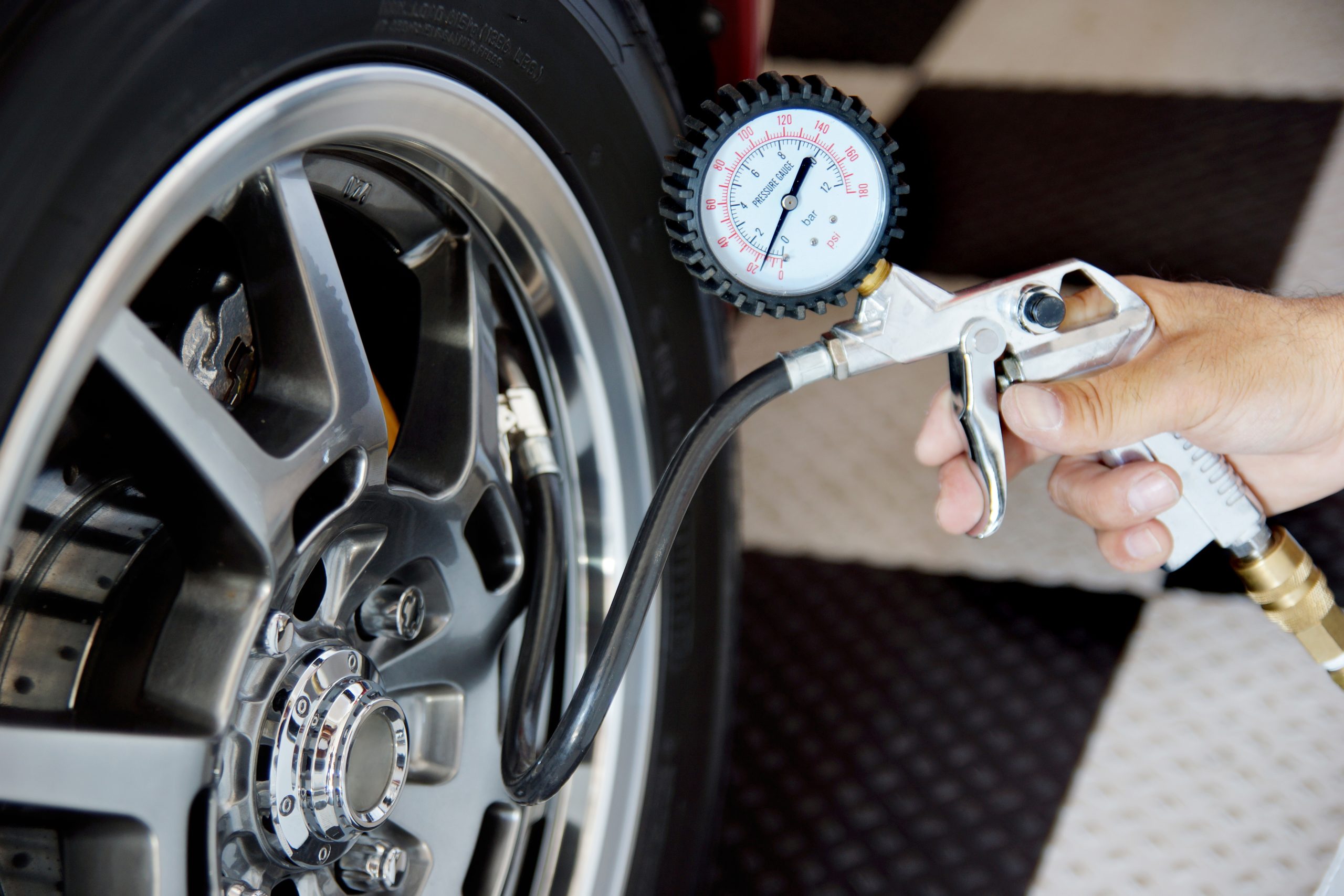
Tire pressure affects safety, fuel use, and tire life. Underinflated tires wear faster at the edges. Overinflated tires wear in the middle and ride harshly.
Proper pressure keeps braking and steering reliable. It can improve fuel economy by a few miles per gallon. Keeping the right pressure also reduces chances of a blowout.
What you need at the gas station
Carry a small kit in your trunk. It makes inflating tires faster and safer.
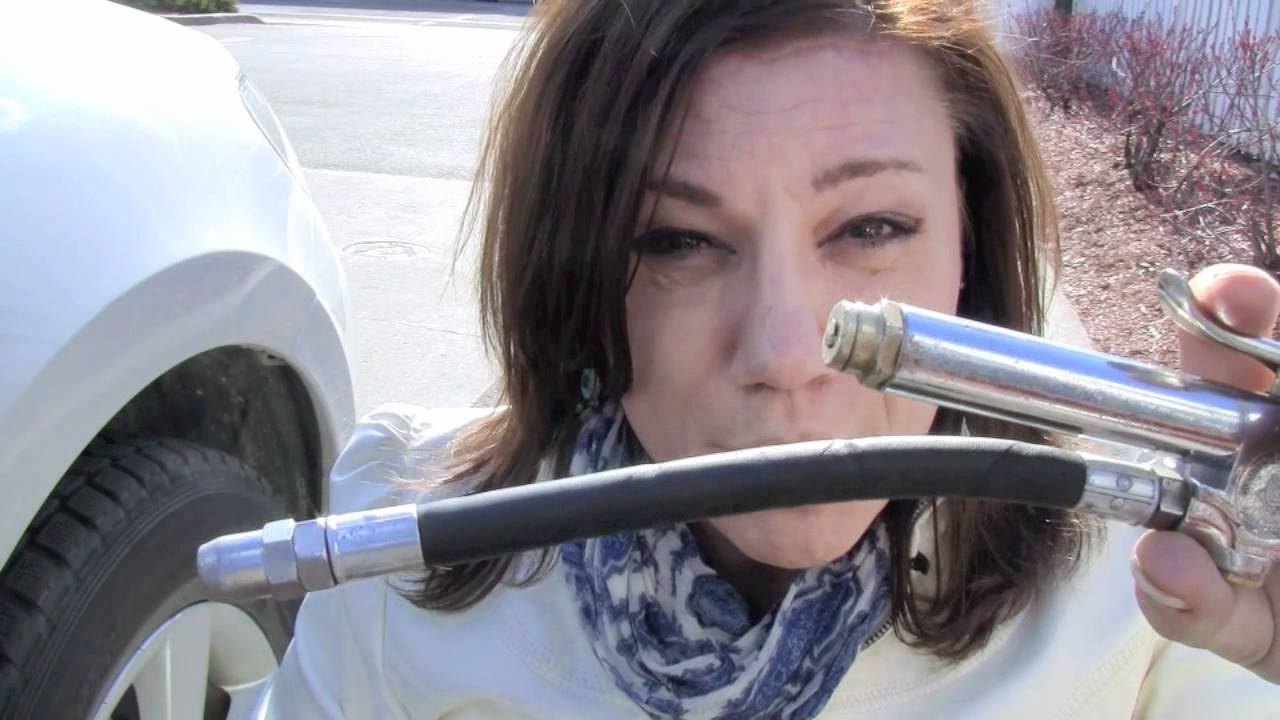
- Tire pressure gauge
- A simple dial or digital gauge reads PSI in seconds.
- Portable air pressure gauge or pump adapter
- Some hoses have poor gauges; yours lets you double-check.
- Quarter or card for pay-to-use machines
- Many stations still require payment for air.
- Gloves and a rag
- Keep hands clean and protect the valve stem from grit.
- Owner’s manual or sticker on driver door
- This shows the recommended PSI for your car.
Step-by-step: How to inflate car tires at gas station
Follow these steps for safe inflation. I use this precise routine every time.
- Find the correct PSI
- Check the sticker inside the driver door or the owner’s manual. Do not use the max PSI on the tire sidewall.
- Check tires cold
- Measure pressure before you drive or after the car sits for at least three hours. Hot tires read higher.
- Remove the valve cap
- Keep the cap in your pocket so it doesn’t get lost.
- Use your gauge first
- Read current PSI to see how much air you need. Note the difference from recommended PSI.
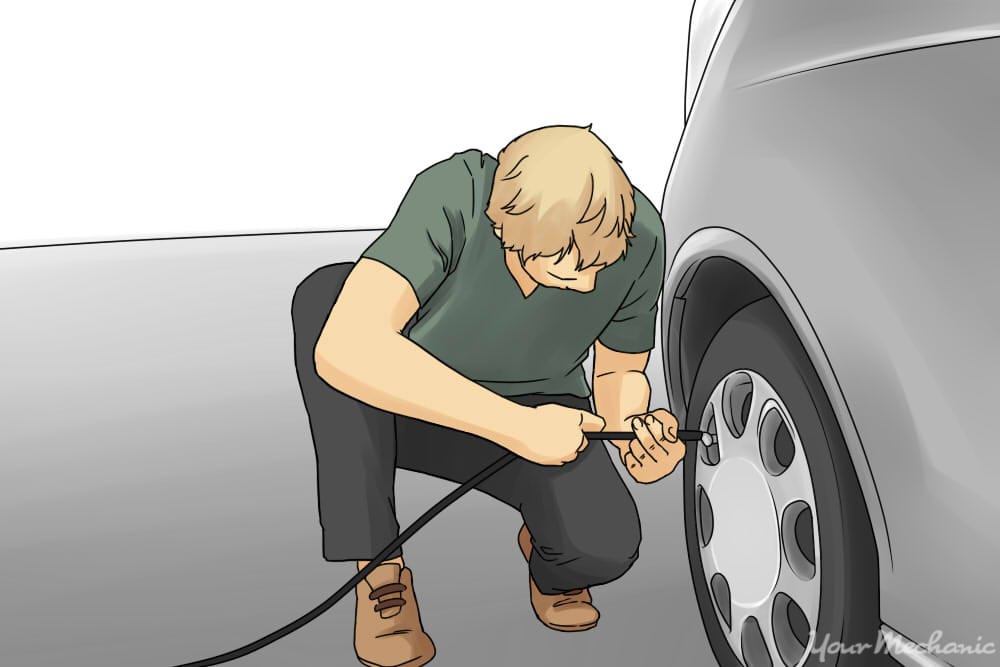
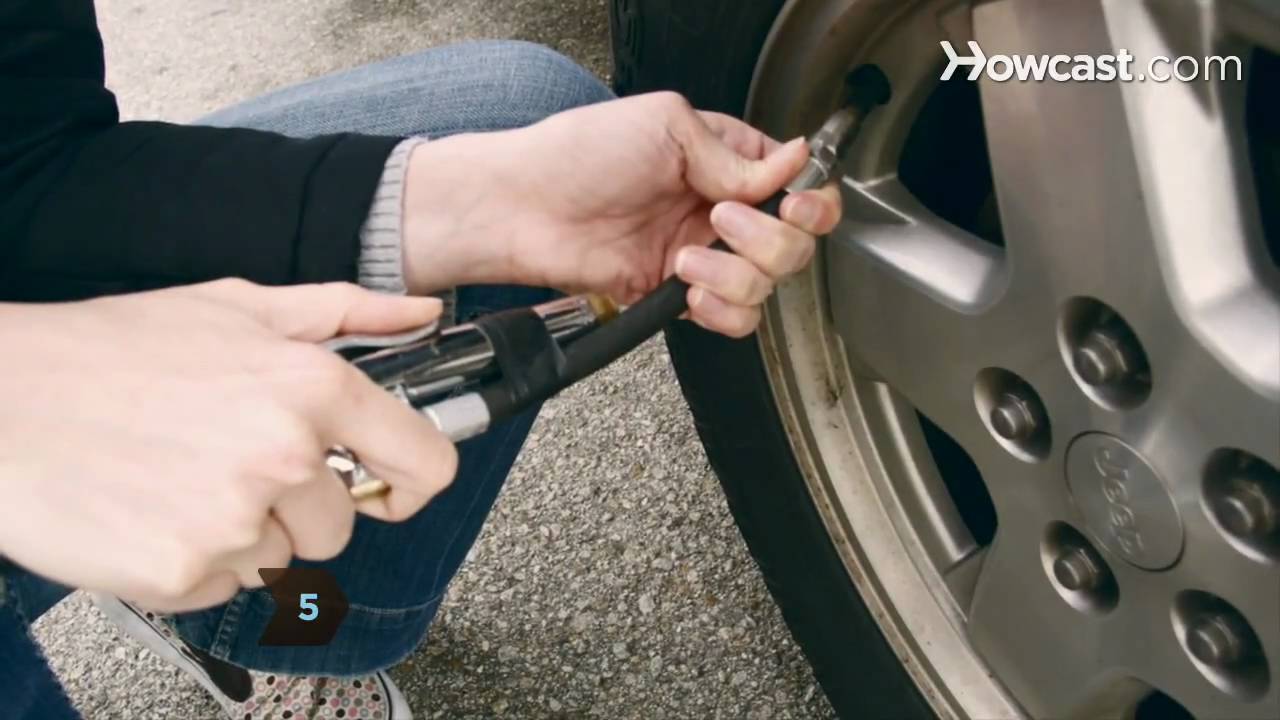
- Attach air hose
- Press the air nozzle onto the valve stem firmly. Hold it for a second before filling to avoid leaks.
- Inflate in short bursts
- Add air for 5–10 seconds, then recheck with your gauge. Repeat until you reach recommended PSI.
- Slightly under, then fine-tune
- Stop a bit below target, then top off slowly for accuracy.
- Replace valve cap and recheck
- Secure the cap and check all four tires. Adjust spare if applicable.
When I teach others how to inflate car tires at gas station, the common error I see is overfilling quickly. Short bursts and frequent checks work best.
Common mistakes and how to avoid them
Avoid these pitfalls. They are easy to fix once you know them.
- Filling while tires are hot
- Heat raises readings. Measure cold for accuracy.
- Using the station gauge only
- Many pumps have inaccurate gauges. Use your own for a second opinion.
- Forgetting the spare
- Check and inflate the spare to recommended pressure.
- Leaving the valve cap off
- Dirt can enter and cause slow leaks.
- Overinflating quickly
- Stop and check often to prevent damage.
A mistake I made early on was trusting an old pump gauge at night. I overinflated two tires. After that I always carry a compact digital gauge.

Tips for weather, load, and different tire types
Tire pressure needs change with conditions. Small tweaks improve safety.
- Cold weather
- PSI drops about 1 point for every 10°F drop. Check more often in winter.
- Hot weather
- Do not let the heat trick you into overfilling. Use cold readings when possible.
- Heavy load or towing
- Add a few PSI within manufacturer limits for better handling.
- Run-flat or low-profile tires
- These can feel stiffer; follow manufacturer guidance exactly.
- Seasonal checks
- Check monthly and before long trips.
When driving in snow, I check pressure before a long trip. Proper pressure helps traction and reduces the chance of getting stuck.

PAA-style quick questions
What pressure should I set my tires to?
- Follow the PSI on the driver’s door sticker or owner manual, not the tire sidewall. Typical values are 30–35 PSI for most cars.
Can I inflate tires at any gas station?
- Yes, most stations have an air hose. Bring a gauge and quarters if the machine requires payment.
How often should I check tire pressure?
- Check monthly and before long trips. Also check after large temperature changes or heavy loads.
Do I need to inflate the spare?
- Yes. Keep the spare at its recommended pressure so it’s ready if needed.
Is it safe to use a pump at night?
- Yes, if the area is well lit and secure. Use caution and park away from traffic.
Frequently Asked Questions of how to inflate car tires at gas station
How long does it take to inflate a tire at a gas station?
It usually takes 3–5 minutes per tire when you have a gauge and know the target PSI. Busy stations or slow pumps can add time.
Will inflating to the max PSI on the tire sidewall harm my car?
Yes. The tire sidewall lists the maximum pressure the tire can hold, not the vehicle’s recommended pressure. Use the car manufacturer’s PSI.
Can I use the station gauge without my own gauge?
You can, but station gauges vary in accuracy. Bring your own gauge to confirm readings for best results.
What if the station air makes a hissing sound when attached?
A hiss means the nozzle is not seated well. Press firmly, angle slightly, or try another hose to stop leaks.
Is there a fee to use air at most gas stations?
Some stations offer free air; many charge a small fee, often with a coin slot or pay station. Carry change or a card to be safe.
Conclusion
Keeping your tires at the right pressure is simple. Check the sticker for PSI, use a reliable gauge, and inflate in short bursts. My experience shows that a quick monthly check prevents costly repairs and improves safety.
Take action this week: check your PSI, pack a small gauge, and do a test inflation at your local gas station. Leave a comment with your questions or share a tip that helped you—let’s learn together.