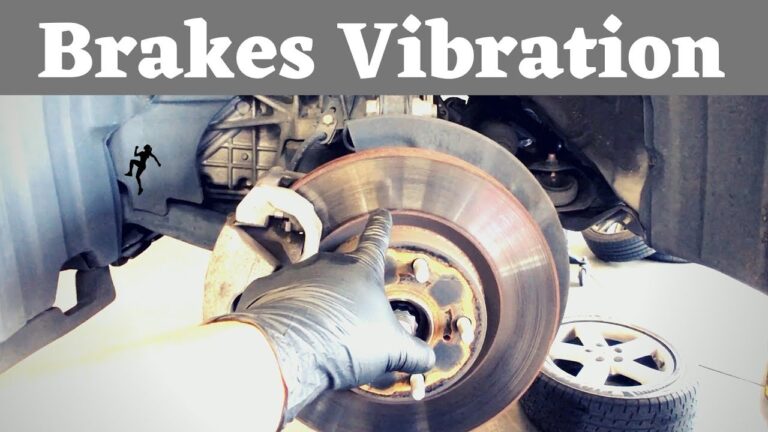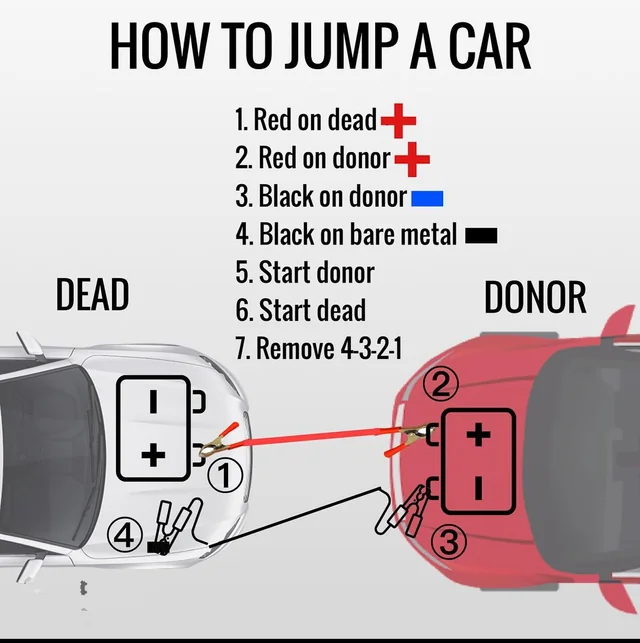
Check wheel sensors, wiring, and fuses first — simple fixes often clear the ABS light.
I’ve spent years fixing cars and teaching drivers to diagnose problems without fancy tools. This article explains how to fix abs light on car without a scanner, step by step, using clear checks, safe procedures, and practical tips you can try at home. You’ll learn how to identify common causes, test parts by sight and touch, reset the system safely, and know when to call a pro. Read on to save time and avoid unnecessary repairs.
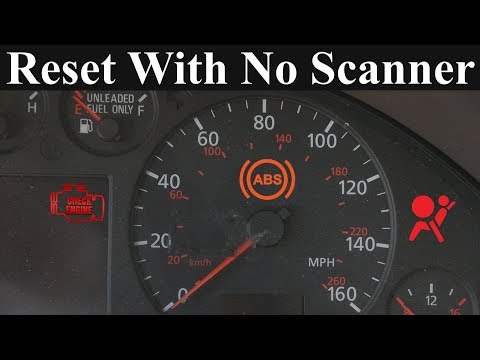
Why the ABS light comes on
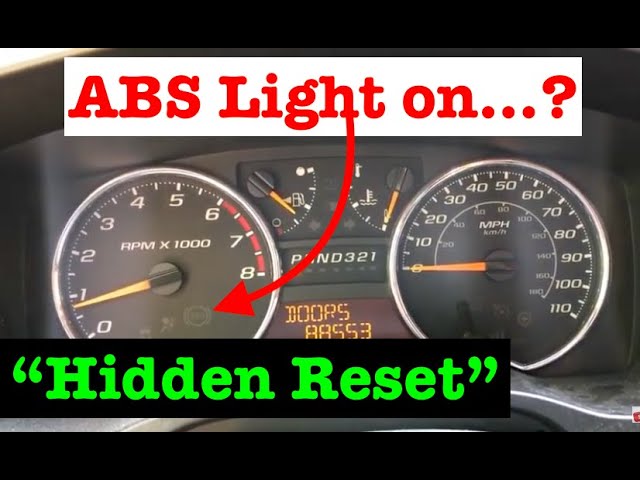
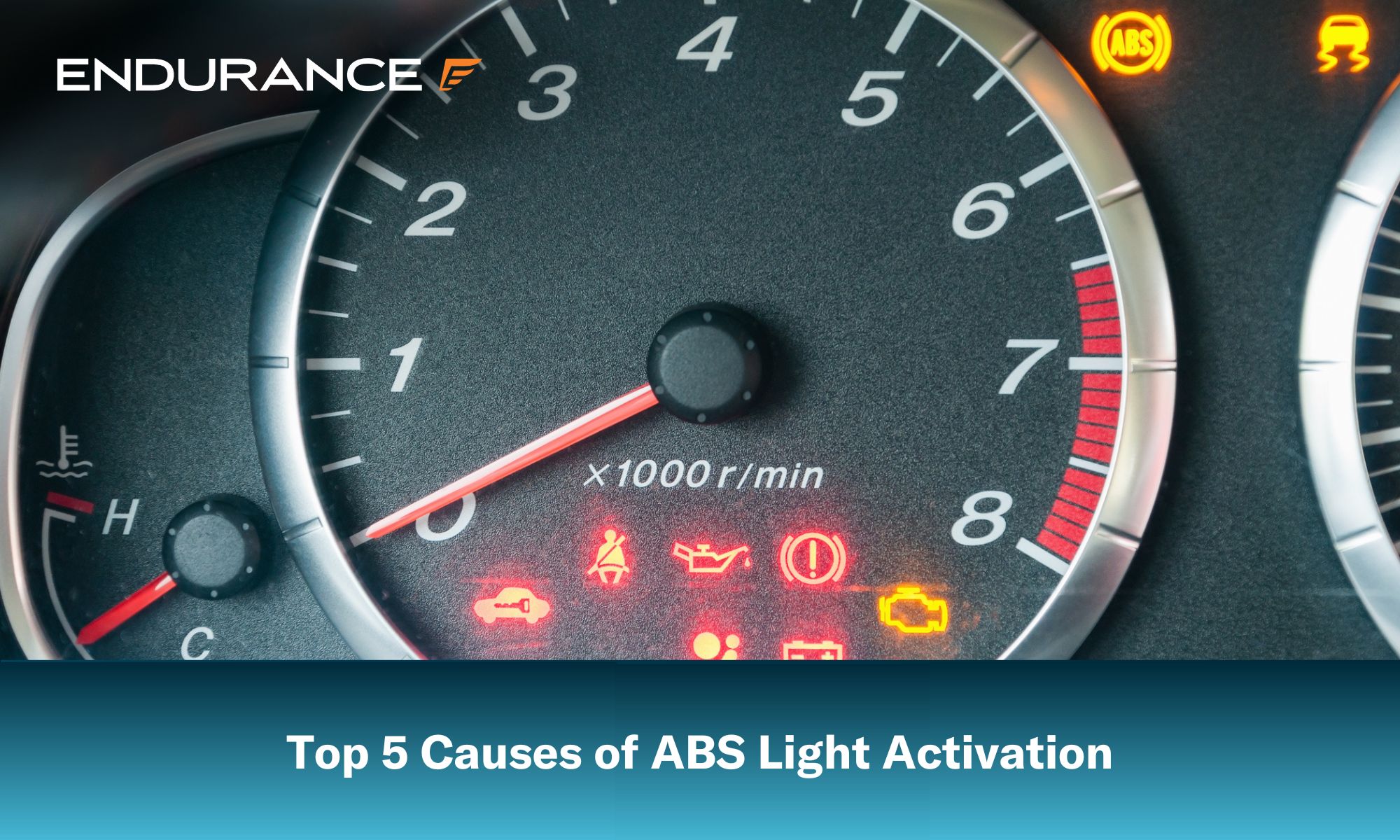
The ABS light signals a fault in the anti-lock braking system. Common causes include a faulty wheel speed sensor, damaged wiring, low brake fluid, or a blown fuse. Sometimes a temporary glitch or dirty sensor triggers the light and clears after a short drive. Understanding these causes helps you decide which quick checks to do when you want to fix abs light on car without a scanner.

Safety first: what to do immediately
When the ABS light comes on, your regular brakes still work, but anti-lock assistance may be disabled. Slow down, avoid sudden maneuvers, and increase stopping distance until you confirm the issue. Park in a safe spot before you start any checks, and use wheel chocks and gloves when working around wheels. Safety reduces risk while you attempt to fix abs light on car without a scanner.
Tools and items you’ll need (no scanner)
You can do many checks with basic tools. Gather these items before starting:
- Flashlight to inspect sensors and wiring.
- Jack and jack stands or ramps to lift the car safely.
- Multimeter to test sensor voltage and continuity.
- Clean rags and brake cleaner for cleaning sensors.
- Basic socket set and pliers to remove wheels or connectors.
These items let you perform visual and electrical checks to fix abs light on car without a scanner.
Step-by-step: how to fix abs light on car without a scanner
Follow these steps in order. Work methodically and keep notes.
- Visual inspection
- Park on level ground and apply the parking brake.
- Look for damaged wiring near each wheel and the ABS module.
- Check for loose or corroded electrical connectors.
A frayed wire or unplugged connector is an easy fix that often clears the ABS warning.
- Check fuses and brake fluid
- Locate the fuse box and check the ABS fuse and related relays.
- Inspect brake fluid level and top it off if low, using the correct fluid type.
A blown fuse or low fluid can trigger the light and may be a quick way to fix abs light on car without a scanner.
- Clean wheel speed sensors
- Remove the wheel and hub dust shield if needed.
- Spray the sensor and tone ring with brake cleaner and wipe gently.
- Reinstall and test drive. Dirt or rust on the sensor often causes false readings.
- Test sensors with a multimeter
- Set the multimeter to measure AC voltage or resistance as specified by your vehicle manual.
- Spin the wheel by hand and watch for a small AC voltage spike or consistent resistance reading.
- Replace a sensor that shows zero or wildly fluctuating readings.
Testing brings certainty and can let you fix abs light on car without a scanner by swapping a bad sensor.
- Inspect tone rings and wheel bearings
- Look for cracks, missing teeth, or heavy rust on the ABS tone ring.
- Check wheel bearings for roughness; a bad bearing can move the sensor out of range.
- Replace damaged tone rings or bearings to restore proper sensor signals.
- Check ABS pump and module connections
- Inspect the ABS module for loose connectors and signs of water intrusion.
- Tighten connectors and dry moisture-prone areas with a cloth.
If electrical contact is poor, restoring it can clear the light without a diagnostic tool.
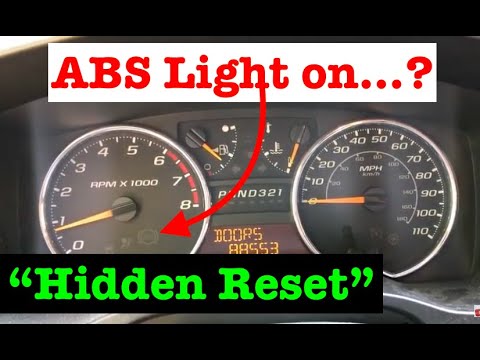
- Resetting the ABS light safely
- After fixing the issue, some cars clear the light after several ignition cycles or a short drive.
- For older cars, disconnect the battery for 15–30 minutes to reset the computer. Note this may erase other settings.
- If the light stays on, you may need a scan tool or professional reset.
Attempt resets only after addressing root causes, and avoid repeated battery disconnects on modern vehicles.
Personal tip from the garage: I once fixed an ABS light by cleaning a buried sensor connector on a rainy-service vehicle. It saved the owner hundreds in parts and the light cleared the same day.
Common mistakes to avoid
Avoid these errors that can waste time or cause harm.
- Replacing parts without testing: don’t buy sensors until you verify failure.
- Lifting the car unsafely: always use stands or ramps.
- Ignoring brake fluid type: wrong fluid can damage the system.
- Resetting the light before repair: it may hide a persistent fault.
These mistakes often prolong the problem instead of helping to fix abs light on car without a scanner.

When to seek professional help
If the ABS light persists after basic checks, it’s time to visit a shop. A pro has a scanner to read ABS fault codes and can diagnose complex issues like internal module failures. Also seek help if you notice reduced braking performance, grinding, or metal-on-metal noises. Knowing when to escalate ensures safety and avoids costly, unnecessary repairs while trying to fix abs light on car without a scanner.
Frequently Asked Questions of How to fix abs light on car without a scanner
What does the ABS light mean?
The ABS light means the anti-lock braking system detected a fault. It may be a sensor, wiring, fuse, or module issue and needs diagnosis.
Can I drive with the ABS light on?
You can drive carefully with the ABS light on, but anti-lock braking may be disabled. Avoid hard braking and get the issue checked soon.
Will disconnecting the battery reset the ABS light?
Disconnecting the battery can reset some ABS lights, but it may erase other settings and won’t fix the underlying problem. Only reset after repairs.
How do I test a wheel speed sensor without a scanner?
You can test a sensor with a multimeter by checking resistance or voltage while spinning the wheel. A dead or inconsistent reading usually means a bad sensor.
Can low brake fluid trigger the ABS light?
Low brake fluid can trigger the ABS or brake warning lights and should be topped up with the correct fluid. Always check for leaks if fluid is low.
Is it expensive to fix the ABS light?
Costs vary widely. Simple fixes like cleaning a connector or replacing a fuse are inexpensive. Sensor or module replacements cost more, and diagnostics add to the bill.
Conclusion
Fixing the ABS light without a scanner is often possible by checking sensors, wiring, fuses, and fluid levels first. Take a calm, step-by-step approach: inspect, test with a multimeter, clean sensors, and reset only after repairs. If the warning persists or braking feels impaired, consult a professional to ensure safety. Try the easy checks now, and leave a comment with your make and model if you want tailored advice or next steps.