A car diagnostic scanner reads a vehicle’s onboard systems via the OBD port to spot faults fast.
I’ve worked with cars and scanners for years, so I’ll walk you through exactly how does a car diagnostic scanner work, step by step. This article explains what a scanner does, how it talks to your vehicle, the common protocols and data it reads, and practical tips from hands-on use. Read on to gain clear, usable knowledge you can apply at the shop or in your driveway.

How a car diagnostic scanner connects and communicates
A diagnostic scanner plugs into the vehicle’s OBD-II port. The scanner powers up and asks the car’s control modules for data and trouble codes. It then reads responses that follow specific communication protocols. This is the core of how does a car diagnostic scanner work: it requests data and interprets what the car reports back.
- Typical connection steps: plug into OBD-II port; power the scanner; select vehicle or protocol; request codes or live data.
- What the scanner gets: Diagnostic Trouble Codes (DTCs), live sensor data, readiness monitors, and module info.
- Why it matters: those responses tell you which systems are healthy and which need repair.

The protocols and data formats scanners use
Most modern cars follow OBD-II standards. Different manufacturers and model years use different protocols over the same OBD plug. Knowing these protocols helps you understand how does a car diagnostic scanner work under the hood.
- Common protocols: CAN, ISO 9141, K-Line, SAE J1850.
- Data formats: standardized PID values for speed, RPM, temperature, and proprietary codes for some systems.
- How the protocol affects results: if a scanner doesn’t support the car’s protocol, it can’t read data or clear codes.

Reading trouble codes and what they mean
When the scanner asks for trouble codes, the car returns DTCs. Each code points to a system or sensor that reported a problem. This is a key part of how does a car diagnostic scanner work—mapping codes to likely causes so you can diagnose further.
- Format of codes: a letter (P, B, C, U) and four numbers. P means powertrain, B body, C chassis, U network.
- Example: P0302 means a misfire in cylinder 2.
- What to do next: use live data and freeze-frame info to confirm sensor readings before replacing parts.
Live data, freeze-frame, and performing tests
A scanner can show live sensor values and freeze-frame snapshots when a fault occurred. This helps you move from code to root cause. Live data is where the practical side of how does a car diagnostic scanner work becomes invaluable.
- Live data examples: fuel trim, oxygen sensor voltages, short-term and long-term trims, mass air flow (MAF).
- Freeze-frame: a snapshot of conditions when a code set, useful for intermittent issues.
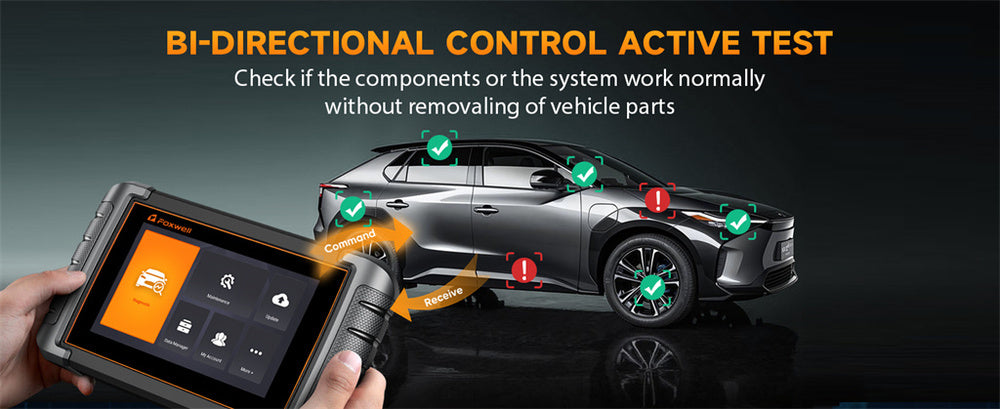
- Active tests: some scanners can command systems (open valves, drive actuators) to verify operation.

Types of scanners and their capabilities
Scanners range from simple code readers to full bi-directional scan tools. Your choice affects how deep you can go into how does a car diagnostic scanner work.
- Basic code reader: reads and clears generic codes; good for DIYers.
- Mid-range scanner: displays live data, freeze-frame, and some manufacturer codes.
- Professional scan tool: supports bi-directional controls, module coding, and advanced diagnostics.
Practical, step-by-step diagnostic workflow
A clear workflow makes troubleshooting faster and more reliable. This sequence mirrors how I diagnose cars and explains how does a car diagnostic scanner work in practice.
- Connect and scan for active and pending codes.
- Note freeze-frame and module IDs.
- Review live data related to codes.
- Perform visual checks and simple tests (wiring, connectors).
- Run active tests or follow service manual test plans.
- Repair based on evidence, then clear codes and retest.
Personal experience: lessons, mistakes, and tips
I once chased a misfire by replacing coils before checking data. Live data showed the real issue: a failing fuel injector signal. That mistake taught me to rely on the scanner’s live feed before swapping parts. When explaining how does a car diagnostic scanner work, I stress these practical habits.
- Tip: Always record live data before clearing codes.
- Tip: Use the scanner’s freeze-frame to reproduce conditions.
- Mistake to avoid: assuming a single code names the bad part without verification.

Limitations, accuracy, and trustworthiness of scanners
Scanners are tools, not magic. They provide clues, not absolute answers. Understanding limits helps you trust results and use them correctly when asking how does a car diagnostic scanner work.
- Not all codes show the root cause; some indicate symptoms.
- Proprietary codes and advanced modules may need dealer-level support.
- Sensors and wiring faults can give false or intermittent readings.
Choosing and maintaining the right scanner
Pick a scanner that matches your needs and update its software regularly. Keeping firmware current improves protocol support and accuracy. This practical step completes the loop on how does a car diagnostic scanner work for your vehicle.
- Choose based on vehicle make, year, and necessary features.
- Update software to add coverage and fix bugs.
- Maintain connectors and cables to avoid communication errors.
Frequently Asked Questions of How does a car diagnostic scanner work
What is the OBD-II port and why is it important?
The OBD-II port is a standard connector on modern cars that gives access to onboard systems. Scanners plug into it to read codes, live data, and module information.
Can a basic scanner fix my car?
No. A basic scanner can read and clear codes and show simple data. Fixing the car requires diagnostics, tools, and repairs guided by the scanner’s output.
Do all scanners work on every car?
Not always. Most scanners work on OBD-II cars, but some older vehicles and luxury brands may need specialized tools. Software updates can expand compatibility.
How accurate are trouble codes returned by a scanner?
Codes accurately report what a module detected, but they point to symptoms rather than guaranteed root causes. Use live data and tests to confirm before replacing parts.
Can I use a scanner to pass emissions tests?
A scanner can show readiness monitors and DTCs needed for emissions checks. However, local test requirements vary, and the scanner itself does not grant certification.
Conclusion
A diagnostic scanner bridges you and your car’s electronic systems. It requests data, reads codes and live values, and can run tests that narrow down faults. Use a clear workflow, verify with live data, and update tools to get the best results. Take action: try a scan on your car, follow the steps here, and leave a comment about what you found or subscribe for more practical car tips.