CVT overheating shows as slipping, loss of power, hot smell, and dashboard warnings.
I’ve spent years working on drivetrains and diagnosing transmission problems, and CVT transmission overheating symptoms are a common yet often misunderstood issue. This article explains the signs, causes, diagnostics, and fixes for CVT transmission overheating symptoms in plain language. I’ll share real-world tips from my experience, what to watch for, and how to act fast to protect your vehicle.
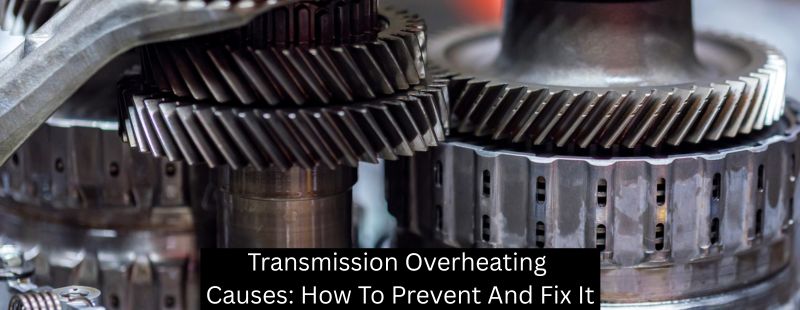
What is a CVT and why overheating matters
A continuously variable transmission (CVT) uses belts or pulleys to give seamless gear ratios. CVT transmission overheating symptoms matter because heat damages belts, clutches, and fluid chemistry. Over time, excess heat shortens transmission life and can lead to full failure.
- CVT designs rely heavily on proper fluid temperature.
- Heat breaks down fluid, causing slipping and wear.
- Early detection of CVT transmission overheating symptoms saves money and downtime.
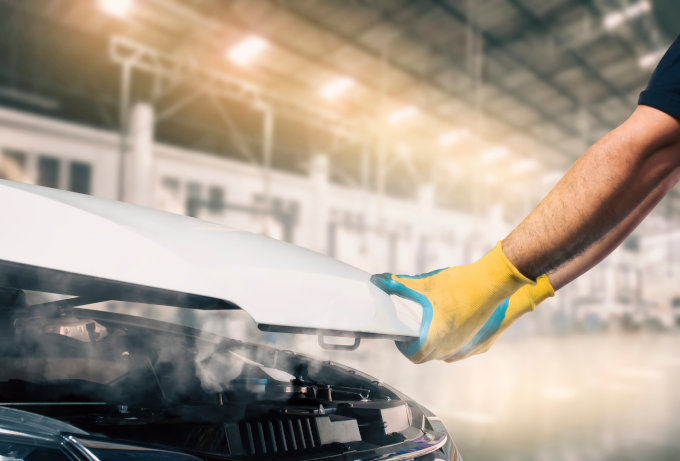
Common CVT transmission overheating symptoms
Recognizing CVT transmission overheating symptoms early prevents major damage. Below are the most common signs I see in the shop.
- Slipping during acceleration: The engine revs rise without matching speed increase. This slipping is a top CVT transmission overheating symptom.
- Loss of power or delayed response: The car hesitates under load or on hills, another clear CVT transmission overheating symptom.
- Burnt or sweet transmission smell: Overheated CVT fluid often smells burnt. That odor is a classic CVT transmission overheating symptom.
- Dashboard transmission or check-engine light: Sensors detect abnormal temps or performance. A warning light often accompanies CVT transmission overheating symptoms.
- Erratic or jerky movement: Instead of smooth acceleration, you get shudders or surging — a CVT transmission overheating symptom.
- Higher fluid temperature readings: If your vehicle shows transmission temp, sustained high temps indicate CVT transmission overheating symptoms.
Causes of CVT transmission overheating
Understanding causes helps you prevent and fix CVT transmission overheating symptoms. These are the most frequent reasons I encounter.
- Low or degraded CVT fluid: Old or wrong fluid reduces cooling and lubrication, increasing overheating risk.
- Heavy towing or frequent steep climbs: High loads push the CVT beyond normal thermal capacity and trigger CVT transmission overheating symptoms.
- Cooling system faults: A blocked cooler line or failing radiator can stop heat transfer from the CVT.
- Software or sensor issues: Incorrect shift logic can overwork the transmission and produce heat.
- Mechanical wear: Worn belts, pulleys, or clutches generate extra friction and heat, leading to CVT transmission overheating symptoms.
How to diagnose overheating safely
Diagnosing CVT transmission overheating symptoms requires care and the right tools. Use these practical steps I use in the field.
- Check transmission fluid level and color.
- Low level or dark, burnt fluid points to overheating.
- Scan for fault codes.
- Codes reveal sensor triggers tied to CVT transmission overheating symptoms.
- Monitor transmission temperature.
- Use an OBD2 reader or dedicated gauge for accurate readings.
- Perform a road test with temperature monitoring.
- Short, monitored drives under load show how heat builds and whether symptoms repeat.
- Inspect cooling components and lines.
- Look for leaks, clogs, or damaged coolers that cause CVT transmission overheating symptoms.

Risks and long-term damage from overheating
Ignoring CVT transmission overheating symptoms leads to escalating damage. I’ve seen rebuilds and replacements that could’ve been avoided.
- Fluid breakdown leads to metal wear and clutch damage.
- Belt or chain failure in CVT can produce sudden loss of drive.
- Overheating can cause permanent damage to valves and electronics.
- Repair costs rise quickly when CVT transmission overheating symptoms are left untreated.
Preventive maintenance to avoid overheating
Prevention is the most cost-effective strategy against CVT transmission overheating symptoms. Follow these practical tips.
- Follow the manufacturer’s fluid change schedule and use the correct CVT fluid.
- Avoid frequent heavy towing or modify driving habits on steep terrain.
- Service the transmission cooler and inspect lines every year.
- Keep engine cooling system in good shape — radiator, fan, and thermostat.
- Update software and address recalls; transmission control updates can reduce overheating events.
Repair options and expected costs
When CVT transmission overheating symptoms appear, choices range from simple fixes to major repairs. Here’s how I break down options and costs.
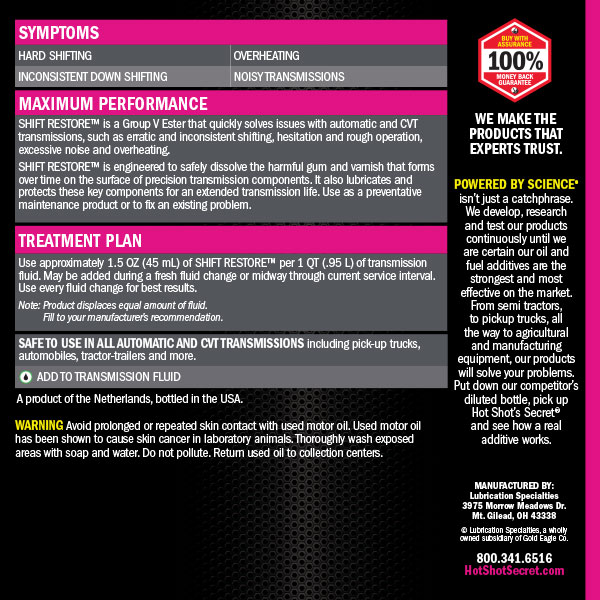
- Fluid flush and filter change: Often the first, least expensive step. Costs are modest and can resolve mild CVT transmission overheating symptoms.
- Cooler line repair or cooler replacement: Moderate cost and critical if cooling is the root cause.
- Component repair or clutch replacement: Higher cost, needed if internal parts were damaged by overheating.
- Rebuild or replace the CVT: Most expensive. Necessary when overheating causes extensive mechanical failure.
Costs vary by make and model, but early action against CVT transmission overheating symptoms usually saves thousands.

When to seek professional help
Some CVT transmission overheating symptoms you can check yourself. Others need a pro. Seek help if any of these occur.
- Persistent slipping or loss of drive after a fluid check.
- Burning smell that won’t go away.
- High temperature readings or repeated warning lights.
- Sudden unusual noises or metallic debris in fluid.
In my experience, prompt diagnosis prevents repeat failures and reduces repair costs tied to CVT transmission overheating symptoms.
Real-life example and lessons learned
I once worked on a compact crossover that had slipping and a burnt smell. The owner had delayed service after towing a trailer. A fluid change and new cooler fixed the immediate issue, but internal wear meant a future rebuild was likely. Lesson learned: addressing CVT transmission overheating symptoms right away prevented catastrophic failure and cut long-term cost.
Frequently Asked Questions of CVT transmission overheating symptoms
What are the first signs of CVT transmission overheating symptoms?
Early signs include slipping, loss of acceleration, and a hot or burnt smell. A transmission or check-engine light may also appear.
Can old transmission fluid cause CVT overheating?
Yes. Old or incorrect CVT fluid loses heat resistance and lubrication, making overheating and symptoms more likely.
Is it safe to drive with CVT transmission overheating symptoms?
Short, careful drives to a repair shop are usually okay, but prolonged driving risks severe damage. Avoid towing and heavy loads.
Will a fluid flush fix CVT transmission overheating symptoms?
A fluid flush can help if overheating is due to degraded fluid or contamination. It won’t fix mechanical damage already done by heat.
How much does fixing CVT overheating typically cost?
Minor fixes like fluid change or cooler repair are moderate in cost. Rebuilds or replacements can be thousands, depending on the vehicle.
Can software updates prevent CVT overheating?
Yes. Transmission control updates can change shift logic and reduce stress that leads to overheating. Always check for manufacturer updates.
Conclusion
CVT transmission overheating symptoms show up as slipping, loss of power, odors, and warning lights. Catch these signs early, check fluid and cooling, and get professional help when needed. Take action now: inspect your fluid, avoid heavy loads, and schedule a check if you notice any symptoms. Share your experience, subscribe for updates, or leave a comment if you need help diagnosing a specific issue.