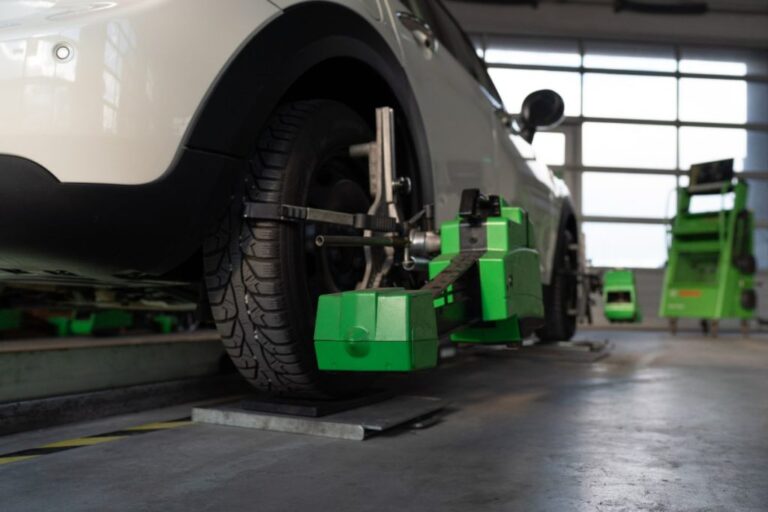
A clunking sound when going over bumps often means worn suspension parts or loose hardware.
I have spent years fixing cars and teaching drivers how to spot real problems fast. This guide explains why a clunking sound when going over bumps happens, how to find the source, and what to do next. I mix shop-tested tips with clear steps so you can diagnose and act with confidence.
.jpeg)
Common Causes of a clunking sound when going over bumps
A clunking sound when going over bumps can come from many parts. Most are suspension or steering related. Below are the usual suspects and short, clear reasons why each makes noise.
- Worn shocks or struts — They lose damping and let parts slam. This causes a hollow clunk over bumps.
- Bad control arm bushings — Rubber or polyurethane can crack. The arm then shifts and clunks.
- Broken sway bar links or bushings — These let the sway bar move and hit other parts.
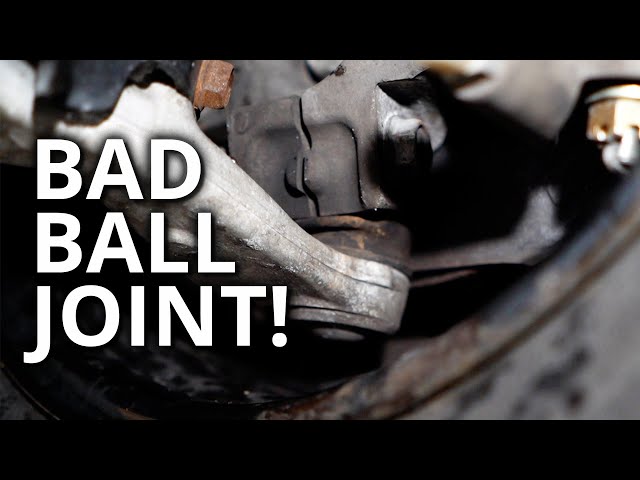
- Worn ball joints — A loose ball joint clunks when the wheel moves on a bump.
- Loose or worn tie rod ends — They make a sharp clunk when the steering picks up play.
- Broken coil spring or sagging spring — A spring that shifts or drops can strike and clunk.
- Loose subframe or engine/transmission mounts — These let big parts move and hit the frame.
- Worn wheel bearings — They mostly hum, but advanced wear can cause clunks on dips.
- Exhaust hangers or heat shields — Loose exhaust bits can thump when the body moves.
- CV joints or axle issues — Axles may clunk under load and track over bumps.
I’ve seen the same issue several times in the shop. A single clunking sound when going over bumps led us to a torn sway bar bushing in one case and a broken upper strut mount in another. Small parts can make big noise.

How to diagnose a clunking sound when going over bumps
Start simple and safe. Do a few tests that narrow down the problem before spending money.
- Road test with a friend — Drive slowly over the same bump while a helper listens at each wheel and under the hood. Note location and timing.
- Push-down test — With car parked, press down on one corner and release. If it clunks and bounces oddly, shocks or struts may be bad.
- Bounce each corner alone — This isolates which corner is problematic.
- Visual check — Look for cracked bushings, broken springs, and loose brackets. Check exhaust hangers by hand.
- Jack and support the car — Safely lift one wheel and wiggle it. Check for play in ball joints, tie rods, and wheel bearings.
- Listen with a stethoscope or long screwdriver — Press the handle to parts while someone taps the suspension to locate the noise.
- Check mounts and fasteners — Tighten loose bolts on subframe, engine mounts, and suspension brackets if safe to do so.
I once found a clunking sound when going over bumps that ended up being an over-torqued aftermarket bar hitting the sway bar. The tests above helped us find the problem in 15 minutes.
 estimates for clunking sound when going over bumps”
style=”max-width: 100%; height: auto; border: 2px solid black; border-radius: 10px; display: block; margin: 0 auto;”
loading=”lazy”
/>
Typical repairs and cost estimates for clunking sound when going over bumps
Costs vary by part and labor. Here are common repairs and typical cost ranges. Prices assume average passenger cars and can change by region.
- Shock or strut replacement — Parts and labor: $200 to $800 per corner.
- Control arm bushing replacement — Parts and labor: $150 to $600 each arm.
- Sway bar link or bushing replacement — Parts and labor: $50 to $250.
- Ball joint replacement — Parts and labor: $100 to $400 each.
- Tie rod end replacement — Parts and labor: $100 to $300 each.
- Coil spring replacement — Parts and labor: $150 to $500 per spring.
- Engine or transmission mount replacement — Parts and labor: $150 to $600.
- Wheel bearing replacement — Parts and labor: $150 to $400 per wheel.
- Exhaust hanger or shield repair — Parts and labor: $50 to $200.
DIY can cut cost a lot for routine parts. However, jobs like strut replacement and wheel bearing work often need tools and skill. If you try a DIY fix, follow a repair manual and use jack stands.

Preventive maintenance to avoid a clunking sound when going over bumps
Regular care reduces surprise clunks. Do these checks every service or if you notice changes in ride.
- Inspect shocks and struts — Look for leaks, dents, or weak rebound.
- Check bushings yearly — Replace worn control arm or sway bar bushings early.
- Keep tires in good shape — Proper pressure and balanced tires reduce stress on suspension.
- Align wheels after suspension work — This prevents uneven wear and helps ride quality.
- Tighten loose fasteners — Check suspension and subframe bolts on older cars.
- Replace mounts at mileage intervals — Old mounts let big parts shift and clunk.
- Avoid heavy curbs and potholes — Hitting hard bumps speeds wear.
I learned the value of simple checks the hard way. A friend drove with low tire pressure and heard a clunking sound when going over bumps. He fixed the pressure and saved a costly repair.

When to see a mechanic about a clunking sound when going over bumps
Not every clunk is urgent. But some are safety risks. See a professional if any of these apply.
- You feel steering pull or the car wanders — This may signal a serious steering or suspension failure.
- Noise gets worse or happens at higher speeds — It can mean a part is failing fast.
- The car rides very roughly or bottoms out — Damaged shocks, springs, or mounts may be unsafe.
- You detect play in the wheel when lifted — Wheel bearings, ball joints, or tie rods can be dangerous.
- Warning lights or other strange symptoms occur — Get a full check.
If you are unsure, have a mechanic inspect the vehicle. A quick check often avoids a bigger repair later.
Frequently Asked Questions of clunking sound when going over bumps
What does a clunking sound when going over bumps usually mean?
It usually means a worn suspension or steering part. Common parts are struts, bushings, sway bar links, or mounts.
Can a loose exhaust cause a clunking sound when going over bumps?
Yes. A loose exhaust hanger or heat shield can thump against the body or frame when the car moves over bumps.
Is it dangerous to drive with a clunking sound when going over bumps?
It can be. If the clunk comes from steering or wheel bearings, driving can be unsafe. Get it checked soon.
Will replacing shocks fix a clunking sound when going over bumps?
Replacing shocks helps if the clunk is from failed shocks or strut mounts. If bushings or linkages are bad, shocks alone may not fix it.
How do I find the wheel that makes the clunking sound when going over bumps?
Have a helper ride inside and listen while you drive slowly over the same bump. Use the push-down and bounce tests on each corner to confirm.
Can tire or wheel issues cause a clunking sound when going over bumps?
Yes. A loose wheel, damaged rim, or separated tire belt can create clunks or bangs over rough spots.
Should I try to fix a clunking sound when going over bumps myself?
Minor fixes like tightened bolts or new exhaust hangers are doable for many people. Complex suspension work may need a shop and special tools.
Conclusion
A clunking sound when going over bumps is a clear sign your car needs attention. Start with simple checks and safe tests to narrow the cause. Fix worn bushings, mounts, or shocks early to avoid higher costs and safety risks. Take action today: do a quick bounce test, inspect visible parts, and book a mechanic if the noise or handling is worrying. If this guide helped, subscribe for more repair tips or leave a comment with your car’s make and symptoms so I can help further.