Low refrigerant or a weak cooling fan usually causes car AC blowing hot air at idle.
I’ve fixed dozens of AC systems in my years in auto repair and I know how frustrating it is when your car AC blows hot air at idle. This guide explains why that happens, how the system works, and how to test and fix common causes. Read on for clear steps you can try yourself and smart tips for when to call a pro.

Why your car AC blows hot air at idle
When the engine idles, the AC system depends on airflow through the condenser and steady compressor pressure. If airflow or pressure drops, the system can’t cool, and the car AC blowing hot air at idle is the result. The same AC will often cool fine when you drive faster because moving air helps the condenser and raises compressor output.
I’ve seen low refrigerant, faulty fans, and weak compressor clutches trigger this exact symptom. Each case needs a slightly different fix. Below I list the likely causes and clear checks you can do.

How the car AC works (brief and simple)
The AC cools air by moving refrigerant through a loop of parts. The compressor compresses refrigerant into a hot gas. The condenser cools that gas with airflow and turns it to liquid. The expansion valve drops pressure and cools the liquid into a cold vapor that absorbs heat inside the car.
If any step fails at idle, car AC blowing hot air at idle can happen. Fans, belts, and refrigerant level are all part of the chain. A small fault can stop the whole process from working at low speed.

Common causes of car AC blowing hot air at idle
-
Low refrigerant level
- Drives low pressure and poor cooling. A leak or long time since last service often causes this.
- I once fixed a car that needed a simple recharge and the idle cooling was restored.
-
Weak or failed condenser fan
- Fan won’t pull air through the condenser when idle. The condenser overheats and the AC warms up.
- Fans fail from motor wear, bad relays, or blown fuses.
-
Faulty compressor or clutch
- Compressor may not engage at low RPM or when worn. That stops refrigerant flow and causes warm air at idle.
- Compressor noise or no clutch movement are key signs.
-
Blocked or dirty condenser
- Road debris or grime reduces airflow and heat transfer. This makes car AC blowing hot air at idle worse.
- A gentle wash or professional cleaning can help.
-
Faulty pressure switch or sensors
- Safety switches shut the compressor off if pressures are out of range. A bad sensor can interrupt operation at idle.
- These faults often need diagnostic tools to confirm.
-
Clogged expansion valve or orifice tube
- A restriction stops proper refrigerant flow at low engine speeds. Cooling drops and warm air appears at idle.
- This often requires component replacement.
-
Electrical issues and relays
- Bad relays, wiring, or a weak alternator can affect compressor power. That leads to intermittent cooling and warm air at idle.
- Visual checks and tests can find these faults.
-
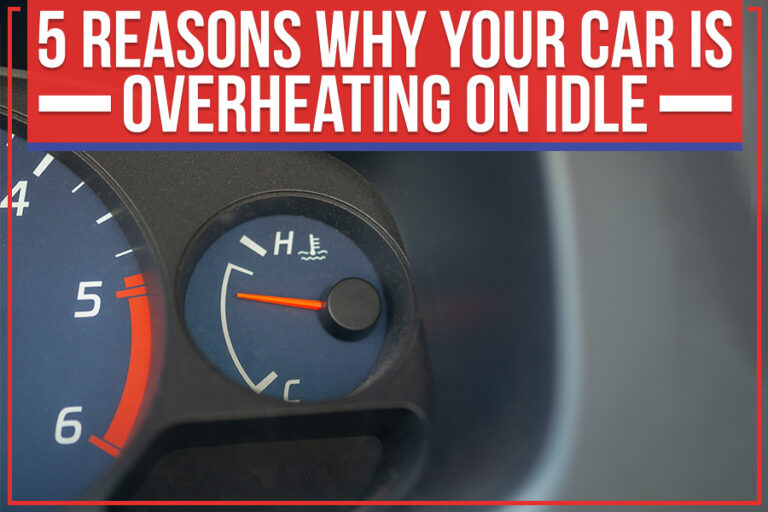
Engine overheating or low idle RPM
- If the engine runs hot, the AC may be limited to protect the system. Low idle RPM reduces compressor output and causes warm air at idle.
Each of these can cause the car AC blowing hot air at idle. The list above helps narrow down the likely issue.
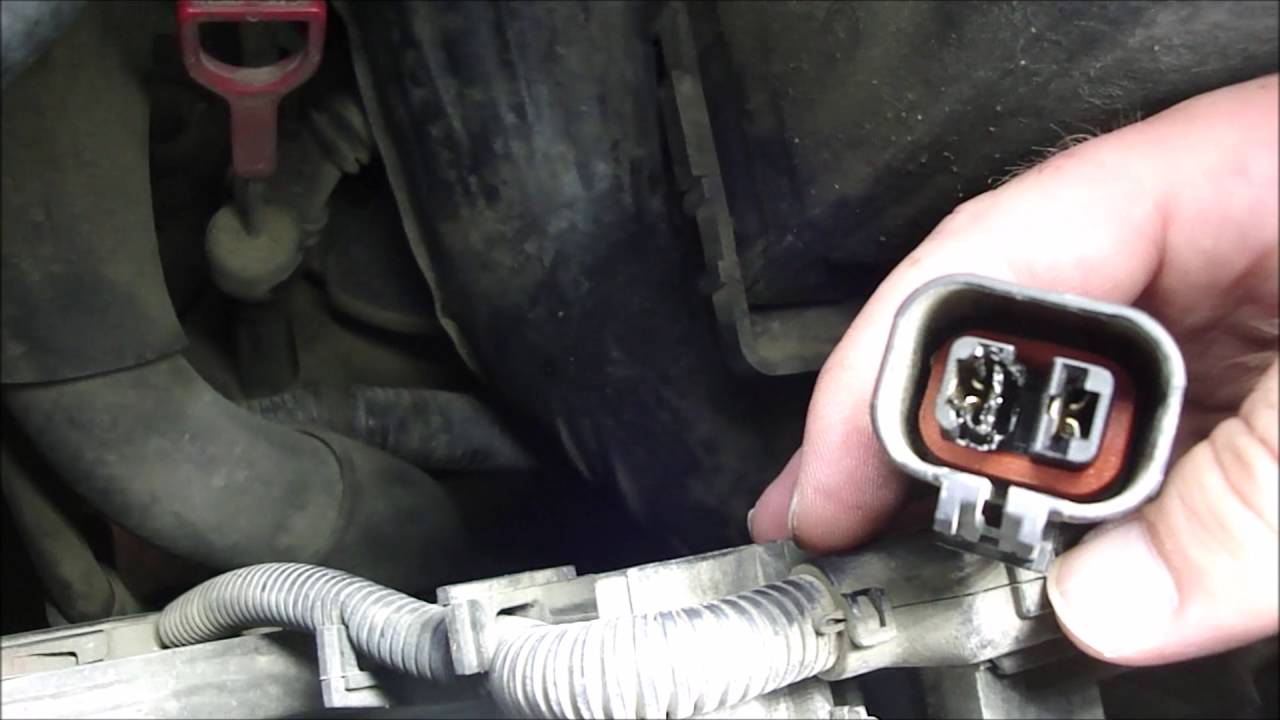
How to diagnose car AC blowing hot air at idle — step-by-step
-
Check vent temperature
- Start the car and set AC to max cool and fan to high. Feel vents at idle and while driving. If it cools while driving, airflow or pressure at idle is suspect.
-
Watch condenser fan(s)
- With the hood open, run AC at idle and see if the fan runs. No fan or slow spin hints at fan motor, relay, or fuse trouble.
-
Listen for the compressor clutch
- You should hear or see the clutch engage when AC is on. No engagement can mean low refrigerant, a bad clutch, or electrical issue.
-
Look for signs of leaks
- Oily spots on lines or components often mean refrigerant leaks. UV dye or electronic detectors find small leaks.
-
Check engine RPM and cooling
- If idle is very low, raise engine speed slightly. If cooling improves, idle-related compressor output is likely the cause.
-
Use pressure gauges or take it to a shop
- Low and high side pressures tell a tech what stage of the system is failing. I recommend a pro check if gauges are needed.
I once misdiagnosed a fan problem as a compressor fault. The simple fan relay swap fixed the issue. That taught me to always check fans first.

DIY fixes you can try for car AC blowing hot air at idle
-
Inspect and replace fuses and relays
- Swap relays with a known good one to test fan or compressor circuits.
-
Clean the condenser and radiator
- Remove debris with gentle water spray. Do not bend fins. A clean condenser improves idle cooling.
-
Check belts and tension
- A loose belt can slip at idle and reduce compressor drive. Tighten or replace as needed.
-
Recharge refrigerant with a proper kit (careful)
- If you suspect low refrigerant, use a quality kit and follow instructions. Be cautious: overcharging or wrong type harms the system.
- If you find a leak, fix the leak before recharging.
-
Replace cabin filter and check blower
- A clogged cabin filter reduces airflow inside the car. Replace it to improve perceived cooling.
When to call a pro
- If the compressor shows signs of failure
- If you find a refrigerant leak
- If you need pressure gauge tests or major component swaps
A pro has the tools and refrigerant handling certifications. Don’t risk damage or fines by mishandling refrigerant.

Preventive maintenance to avoid car AC blowing hot air at idle
-
Run the AC monthly, even in winter
- Keeps seals lubricated and system healthy.
-
Clean the condenser area regularly
- Remove leaves and debris that block airflow.
-
Replace cabin filter yearly or per schedule
- Good airflow helps cooling and cabin comfort.
-
Service refrigerant and check for leaks
- A small leak left alone becomes a big problem.
-
Inspect belts, fan motors, and relays at service intervals
- Early swaps are cheaper than a failed compressor.
These simple steps keep the AC strong and reduce chances of car AC blowing hot air at idle.

Typical repair costs and timeframes
-
Refrigerant recharge
- Cost range: $100 to $250. Time: under 1 hour.
-
Condenser fan motor replacement
- Cost range: $150 to $500. Time: 1–3 hours.
-
Compressor replacement
- Cost range: $500 to $1,200 or more. Time: 3–6 hours.
-
Condenser replacement
- Cost range: $300 to $800. Time: 2–4 hours.
-
Leak diagnosis and repair
- Cost varies by location and leak size. Time: 1–4 hours.
Prices vary by make and model. Getting quotes from two shops helps you pick a fair price. Keep in mind that fixing a small issue early often saves money.
Frequently Asked Questions of car ac blowing hot air at idle
Why does my car AC blow cold when driving but hot at idle?
This usually means airflow through the condenser or compressor pressure is low at idle. A weak fan, low refrigerant, or worn compressor often causes this issue.
Can low refrigerant cause AC to blow hot only at idle?
Yes. Low refrigerant lowers pressure and the compressor can fail to build enough cooling at idle. A proper leak check and recharge are needed.
Is it safe to drive with the AC blowing hot at idle?
Short drives are usually safe, but the cabin will be uncomfortable and the issue can get worse. If the car overheats or the compressor is noisy, stop and get it checked.
Will recharging the AC fix hot air at idle?
If the cause is low refrigerant, recharging will often fix it. If a leak or faulty part is present, the problem will return until that issue is fixed.
How do I tell if the condenser fan is the problem?
With the hood open and AC on, the condenser fan should run at idle. If it does not run or runs slowly, the fan motor, relay, or wiring is likely at fault.
Conclusion
You can often fix car AC blowing hot air at idle by checking fans, refrigerant, belts, and the condenser first. Small fixes like cleaning the condenser or swapping a relay are cheap and fast. For leaks, bad compressors, or complex electrical faults, choose a certified shop. Try the simple checks I outlined, then book service if the issue persists. If this guide helped, subscribe, leave a comment, or share your experience so others can learn from it.