If the brake warning light stays on, stop driving, check the parking brake, and inspect brake fluid immediately.
I’ve worked on cars and written about auto care for years. When the brake warning light stays on, it can mean anything from a simple fluid top-up to a serious brake system failure. This guide walks you through causes, quick safety steps, diagnostic checks, repair options, costs, and real-world tips. Read on to learn how to handle the brake warning light stays on without panic and with clear action.
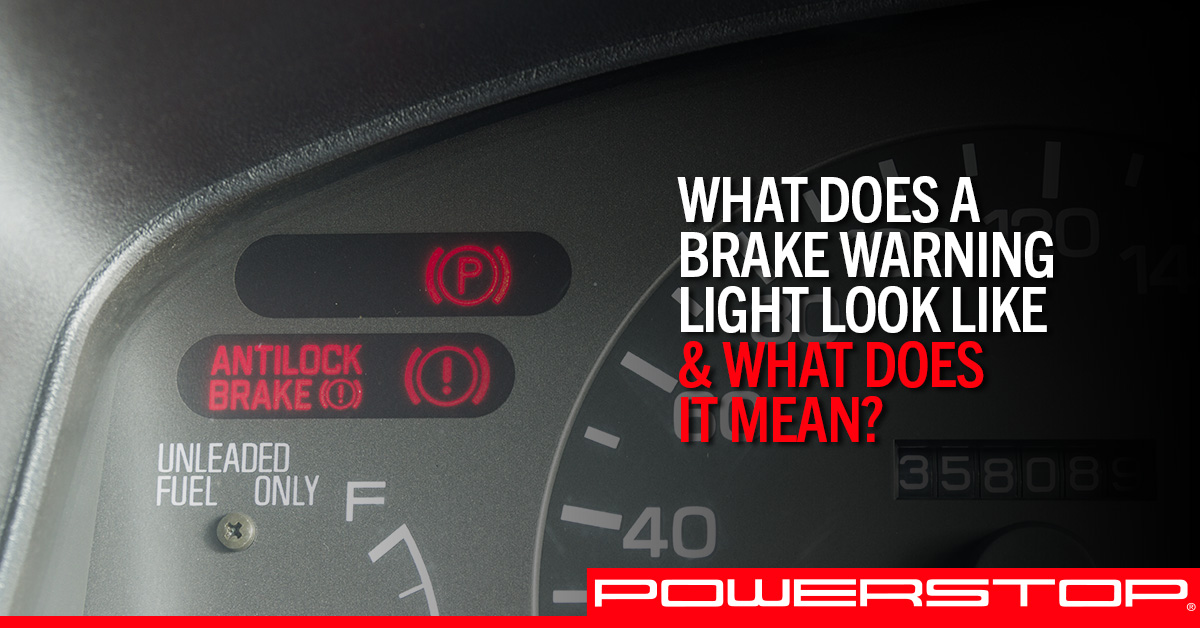
Why the brake warning light stays on
When the brake warning light stays on, it signals the car detected a problem in the brake system. Common causes are simple and fixable. Some causes are urgent and need immediate service.
Common reasons the brake warning light stays on:
- Low brake fluid level; often the most common cause.
- Parking brake still engaged or a faulty parking brake switch.
- Worn brake pads with a wear sensor triggered.
- Faulty master cylinder or internal fluid leak.
- ABS or hydraulic control module fault that triggers the general brake light.
- Wiring, sensor faults, or a bad bulb in older cars.
- Brake booster failure or vacuum leak reducing braking assist.
Each cause changes how serious the situation is. Low fluid or parking brake is easy to fix. A failing master cylinder or ABS module can be dangerous. Always treat the brake warning light stays on as a safety alert until proven harmless.
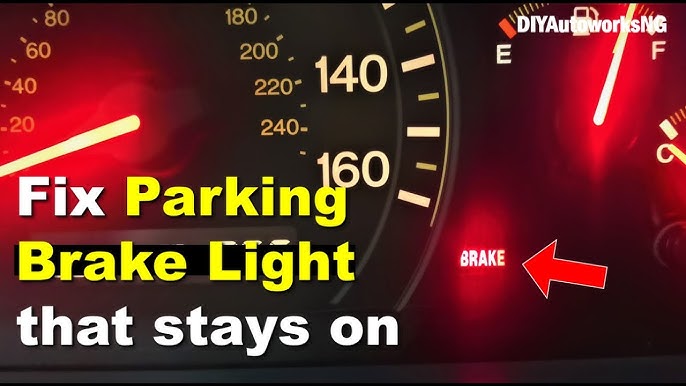
Immediate actions when the brake warning light stays on
If the brake warning light stays on while you drive, act fast but stay calm. Safety is the top priority.
Step-by-step immediate actions:
- Pull over safely to a level spot and stop. Do not continue driving if brakes feel weak.
- Check the parking brake. Release it fully and watch the light. Sometimes a stuck switch keeps the light on.
- Check brake fluid level in the reservoir. Top up only with the manufacturer-specified fluid if low.
- Test brakes carefully at low speed in a safe area. If brakes feel soft or spongy, do not drive far.
- Call roadside assistance or tow the car to a shop when braking performance is reduced.
These steps help you avoid making a small problem worse. Treat every instance of the brake warning light stays on as potentially serious.

How to diagnose the issue (DIY checks and tools)
You can do basic checks at home. For deeper diagnosis, use simple tools or visit a shop.
Essential DIY checks:
- Visual fluid check: Open the hood and read the brake fluid level against marks on the reservoir.
- Parking brake test: Pull and release the lever or pedal while watching the light.
- Look for leaks: Inspect under the car and around wheels for fluid puddles or wet spots.
- Pad wear check: Peek through wheel spokes to see pad thickness or remove the wheel for a clear view.
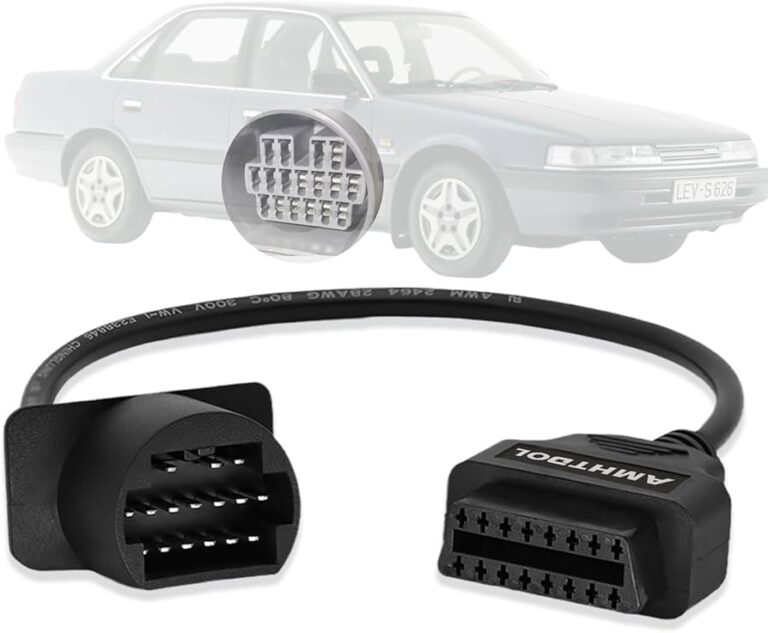
- Scan for codes: Use an OBD-II scanner that reads ABS and brake modules. It often shows stored fault codes.
Tools that make diagnosis easier:
- Flashlight and rags.
- Clean funnel and specified brake fluid.
- OBD-II scanner with ABS support.
- Basic socket set to remove wheels safely.
DIY will reveal many issues, but avoid complex fixes like bleeding the ABS module unless you’re experienced. If the brake warning light stays on after basic checks, seek professional help.
Repair options and cost estimates
Fix cost varies by cause. Here are typical repairs and price ranges to expect. Prices are approximate and depend on location and vehicle.
Common repairs and estimates:
- Brake fluid top-up and basic inspection: low cost, usually under $50.
- Parking brake switch replacement: $50 to $200.
- Brake pad replacement: $100 to $300 per axle, depending on parts and labor.
- Brake caliper or hose repair: $150 to $400 per corner.
- Master cylinder replacement: $200 to $600.
- ABS module repair or replacement: $500 to $2,000, depending on model and programming.
If the brake warning light stays on due to an ABS module, expect higher costs. Always get a written estimate. Ask shops to explain the exact cause before authorizing expensive repairs.

Maintenance to prevent the brake warning light stays on
Regular care keeps many warning lights off. Preventive checks are low cost and effective.
Maintenance tips:
- Check brake fluid every oil change. Replace fluid per manufacturer schedule, usually every 2 years.
- Inspect pads and rotors every 12,000 miles or during tire service.
- Keep an eye on the parking brake operation. Clean and lubricate if it binds.
- Repair any leaks immediately. Even small leaks lower fluid and trigger warnings.
- Use the correct brake fluid. Mixing types can cause corrosion and sensors to fail.
Good maintenance reduces the odds the brake warning light stays on unexpectedly.
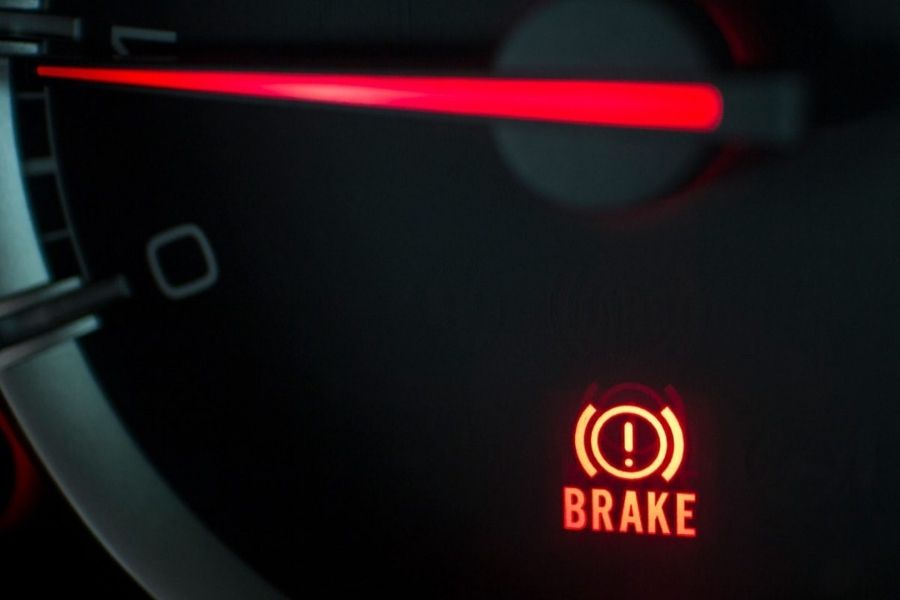
Common mistakes and myths about the brake warning light stays on
People often ignore the light or treat it like a minor bulb. That’s risky. Here are common mistakes to avoid.
Mistakes and myths:
- Ignoring the light because the brakes "seem fine." Brakes can fail suddenly.
- Resetting the light without fixing the underlying issue. The problem will return.
- Adding any fluid without checking type. Wrong fluid can damage seals.
- Assuming it’s always an ABS issue. The general brake light covers many faults.
- Driving long distances after the light comes on. This risks brake failure.
When the brake warning light stays on, take clear steps. Don’t gamble with stopping power.

Personal experience and real-life advice
I once drove a car home with the brake warning light stays on. The parking brake had not fully released. I checked the reservoir and found the fluid low. A quick top-up and parking brake adjustment fixed it. I learned to inspect simple things first. That small habit saved time and money later.
Another time, a different car’s light stayed on due to a slow leak at a flex hose. I ignored odd pedal feel until the brake pedal sank further. Towing and repair cost much more than an early fix would have. Now I check fluid and pedal firmness monthly.
Takeaway from my experience:
- Check the parking brake and fluid first.
- Listen for changes in pedal feel.
- Don’t postpone a shop visit if performance drops.
These habits make handling the brake warning light stays on straightforward and safer.

Frequently Asked Questions of brake warning light stays on
Why does the brake warning light stays on after I added brake fluid?
Adding fluid can reset the reservoir level, but the light can stay if air entered the system or a sensor is faulty. If the light persists, check for leaks or have a shop scan for codes.
Can I keep driving if the brake warning light stays on?
You can drive short distances at low speed only if braking feels normal and the parking brake is released. If brakes feel soft or the light stays on, avoid driving and get service.
Will the ABS cause the brake warning light stays on?
Sometimes. The ABS module can trigger the general brake light when it detects a fault, but the light can also indicate basic brake issues like low fluid. Scan the ABS and brake systems to know for sure.
How often should brake fluid be changed to prevent the brake warning light stays on?
Most manufacturers recommend changing brake fluid every 2 years or as stated in the owner’s manual. Fresh fluid helps prevent corrosion and sensor problems that can trigger the light.
Is it safe to reset the brake warning light with a scanner?
Resetting will clear the warning, but it won’t fix the cause. Only reset after repairing the issue. Otherwise, the light will return and safety risks remain.
Could a dead battery cause the brake warning light stays on?
A weak battery or charging issue can confuse control modules and show warning lights, but it’s not the usual cause. Check battery and alternator if other warnings appear with the brake light.
How do shops diagnose the brake warning light stays on?
Shops scan ABS and brake module codes, inspect fluid levels, look for leaks, and test pedal feel and parking brake switches. They follow a step-by-step process to find the root cause.
Conclusion
When the brake warning light stays on, treat it as a priority. Check the parking brake and fluid first. Perform basic checks safely and call a professional for faults you cannot fix. Acting quickly protects you and others on the road. If you found this useful, try the quick checks today, subscribe for more auto tips, or leave a comment about your experience.