A soft brake pedal after bleeding usually means air is trapped or there's a component problem.
I’ve spent years working on cars and teaching brake basics, so I know how confusing it feels when the brake pedal feels soft after bleeding. This guide breaks down why it happens, how to troubleshoot step by step, what to fix, and when to call a pro. Read on for clear, practical advice you can use today.

Why the brake pedal feels soft after bleeding
When the brake pedal feels soft after bleeding, something in the hydraulic system is not building proper pressure. The two most common reasons are trapped air in the lines and incorrect bleeding technique. Less common causes include fluid leaks, a failing master cylinder, or a vacuum brake booster problem.
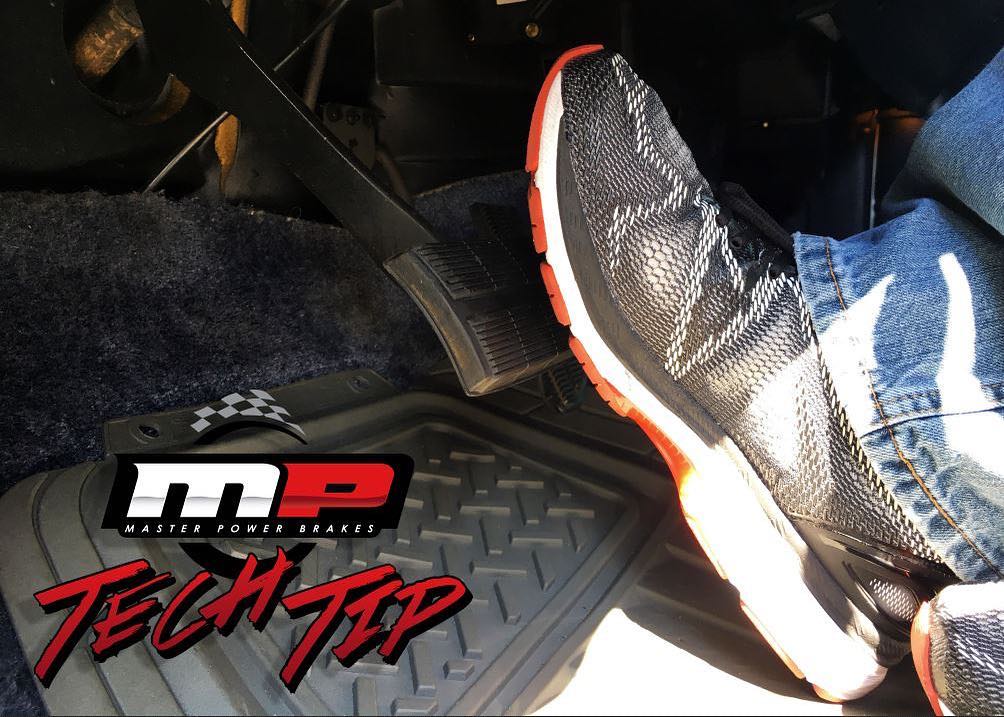
A soft pedal usually shows up right after bleeding. You may get a long, spongy feel when you press the pedal. Or the pedal may slowly sink toward the floor when held. These are red flags that pressure is not reaching the calipers or wheel cylinders.
Common signals that the brake pedal feels soft after bleeding:
- The pedal goes further than normal before brakes engage.
- The pedal slowly sinks to the floor under steady pressure.
- Brakes feel inconsistent or require more effort to stop.

Common causes of a soft pedal after bleeding
Understanding likely causes helps you fix the issue faster. Below are clear, common reasons the brake pedal feels soft after bleeding.
-
Trapped air in the brake lines
Air compresses while brake fluid does not. Even tiny pockets of air make the pedal feel spongy. -
Incomplete or incorrect bleeding order
Bleeding wheels in the wrong sequence or failing to pump the pedal correctly can leave air behind. -
Master cylinder issues
Worn seals in the master cylinder let fluid bypass. That causes a soft, sinking pedal even after bleeding. -
Brake fluid contamination or wrong fluid
Old or mixed fluids can compress or damage seals. That affects pedal firmness. -
Leaking lines, hoses, calipers, or wheel cylinders
Any leak lowers hydraulic pressure and makes the pedal soft. -
Faulty ABS module or trapped air in ABS
ABS units can trap air. Special procedures or a scanner may be required to purge it. -
Brake booster or vacuum issues
Booster failure usually gives a hard pedal, but some failures can feel like softness under certain conditions.
Step-by-step troubleshooting when the brake pedal feels soft after bleeding
Work through these steps in order. They are simple and practical. I use this checklist in my shop and at home.
-
Visual check for leaks
- Inspect all lines, calipers, wheel cylinders, and the master cylinder for wet spots.
- Check under the car and around wheels after a test stop.
-
Verify brake fluid level and quality
- Ensure the reservoir is full to the max line.
- Look for dark or cloudy fluid; old fluid needs replacement.
-
Confirm bleed procedure and order
- Use manufacturer-recommended wheel sequence.
- Have someone pump and hold the pedal while you open and close bleeder screws.
-
Re-bleed using a controlled method
- Try gravity bleeding, pressure bleeding, or vacuum bleeding depending on tools.
- Keep reservoir topped off during the process.
-
Test for pedal sink and firmness
- After bleeding, pump the pedal a few times. Hold steady pressure to see if it sinks.
- If it sinks, suspect master cylinder or internal leaks.
-
Inspect master cylinder and booster
- Look for fluid around the firewall and reservoir cap.
- Replace the master cylinder if internal seals leak.
-
Address ABS-related air pockets
- Some ABS systems need a scan tool cycle to purge air.
- If simple bleeding fails, consult a tech with proper tools.
If these steps don’t fix it, the brake pedal feels soft after bleeding likely due to an internal component failure. At that point, call a professional.
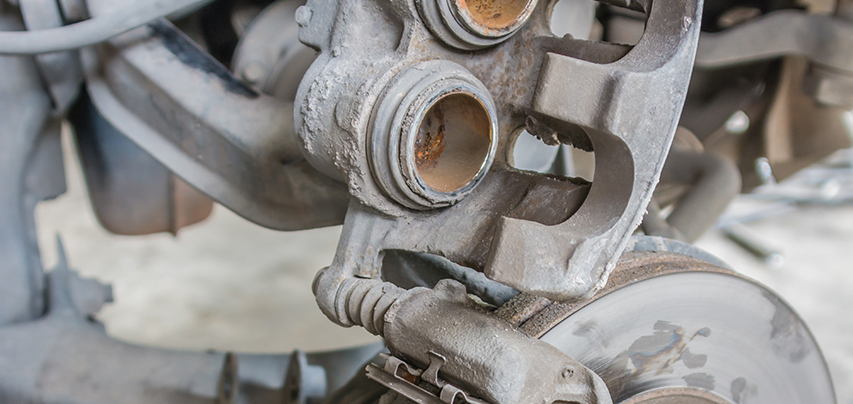
How to properly bleed brakes (best practices)
A clear, repeatable method prevents the brake pedal feels soft after bleeding. Follow these best practices.
-
Follow the vehicle’s recommended bleed sequence.
Many cars use right-rear, left-rear, right-front, left-front or a similar pattern. -
Keep the reservoir full at all times.
Never let the master cylinder run dry while bleeding. Air will re-enter the system. -
Use short, steady pedal pumps or pressure tools.
Rapid, hard pumps can introduce bubbles in some setups. -
Start with the caliper furthest from the master cylinder.
That helps push air toward the reservoir. -
Use fresh, correct-spec brake fluid.
Replace old fluid before or during bleeding if it looks contaminated. -
Check for ABS requirements.
Some ABS units trap air; follow the special bleeding procedure for those systems.
In my experience, pressure bleeding with a clear hose and a jar makes it easy to watch bubbles stop. That’s when the brake pedal feels soft after bleeding usually goes away.
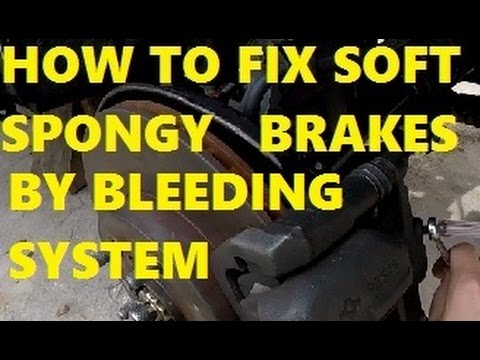
Tools and materials needed
Having the right tools reduces mistakes and helps you avoid the brake pedal feels soft after bleeding problem.
- Brake fluid of the correct DOT rating
- Clear tubing and catch bottle
- Wrench set sized for bleeder screws
- Pressure bleeder or vacuum bleeder (optional but helpful)
- Brake cleaner and rags
- Assistant to pump the pedal (if not using a pressure tool)
- Scan tool that can cycle ABS (for complex systems)
I keep a small kit in my garage for bleeding jobs. It saves time and prevents common errors that lead to a soft pedal.

When to seek professional help
You can fix many bleeding issues at home, but some problems need a shop.
-
The pedal feels soft after bleeding and you found no leaks.
This often means internal master cylinder failure. -
ABS or electronic hydraulic units may trap air.
A specialist with a scanner and experience is best. -
If the pedal sinks slowly under pressure after bleeding.
That’s usually an internal leak requiring parts replacement. -
You lack tools or confidence to bleed safely.
Brakes are critical. Don’t risk poor results to save time.
If you’ve tried the steps and the brake pedal feels soft after bleeding, schedule a professional inspection.

Prevention and maintenance tips to avoid a soft pedal after bleeding
Routine care keeps the brake pedal firm and safe.
-
Flush brake fluid every 2 years or as manufacturer recommends.
Fresh fluid reduces moisture and seal corrosion. -
Inspect brake lines and fittings at each service.
Early leak detection prevents air entry. -
Replace worn brake components promptly.
Old hoses, calipers, and master cylinders cause pedal issues. -
Use correct fluid and avoid mixing DOT types.
Wrong fluid can damage seals and change pedal feel. -
Learn the proper bleed sequence for your car.
A correct method avoids trapped air and saves time.
From personal experience, a timed fluid flush prevents most soft-pedal surprises. Treat bleeding as maintenance, not just repair.

Frequently Asked Questions of brake pedal feels soft after bleeding
Why does my brake pedal still feel soft after bleeding?
Air may still be trapped in the system, or the bleed sequence was incorrect. Also check for leaks, contaminated fluid, or a failing master cylinder.
Can old brake fluid make the pedal feel soft after bleeding?
Yes. Contaminated or moisture-laden fluid reduces hydraulic performance and can make the pedal feel spongy even after bleeding.
How many times should I bleed the brakes if the pedal feels soft?
Repeat bleeding until no bubbles appear and the pedal is firm, usually 3–5 cycles per wheel. If the pedal remains soft, move on to component inspection.
Is it safe to drive if the brake pedal feels soft after bleeding?
No. A soft pedal reduces stopping power and risks safety. Avoid driving and address the issue before normal road use.
Will replacing the master cylinder fix the soft pedal after bleeding?
If the master cylinder has internal seal failure, replacement typically fixes a sinking or soft pedal. Confirm with a leak and pressure test first.
Conclusion
A soft brake pedal after bleeding usually points to trapped air, incorrect bleeding, leaks, or component failure. Work methodically: check for leaks, use the right bleed sequence, keep fluid fresh, and re-bleed with care. If the pedal still feels soft after bleeding, inspect the master cylinder, ABS system, and hoses, and consider professional help.
Take action now: follow the troubleshooting steps above, keep a simple bleeding kit, and schedule maintenance if needed. If this guide helped, try the procedures on your car or share your experience in the comments.