Brake noise only in reverse usually signals pad backplate, hardware, or rotor issues under load.
I’ve spent years diagnosing brake sounds on a wide range of cars and trucks, and when a noise shows only while backing up it usually points to specific, repeatable causes. This article explains why brake noise only in reverse happens, how to diagnose it step-by-step, common fixes and costs, maintenance tips, and when to call a pro. Expect clear, practical guidance drawn from hands-on experience and industry knowledge so you can troubleshoot confidently and safely.

Why you hear brake noise only in reverse
A sound that appears only when you back up is often due to how parts move and load during reverse motion. Brake components shift slightly under different forces when you reverse, and that change can let worn parts touch or vibrate.
Some noises occur because pads or shoes shift against the caliper or drum in reverse. Dust shields, rust lips on rotors, or a loose anti-rattle clip can contact moving parts only when the wheel spins backward. Brake noise only in reverse is a useful diagnostic clue — it narrows possible causes faster than a general squeal that happens both ways.

Common causes of brake noise only in reverse
- Pad backing plate contact: The metal backing can rub the rotor edge or hat when pads move slightly during reverse.
- Worn or missing hardware: Loose anti-rattle clips, shims, or pins let pads vibrate or shift only under reverse load.
- Groove or lip on rotor edge: A corroded rotor lip can scrape pads during backward rotation.
- Dust shield or splash guard contact: Bent shields hit the rotor when spin direction changes.
- Caliper piston or slide pin issues: Sticking pins let the pad sit off-center and contact differently in reverse.
- Drum brake asymmetry: Shoes or adjusters in drum brakes can contact only when turning backward.
- Glazed pads or scoring: Smooth glazing or a rough spot can chirp when sliding backward.
- Parking brake drag: Partial drag or uneven release causes sound in one direction.
- Foreign debris: Small stones or grit trapped between rotor and dust shield can create reverse-only noise.
- Hub or wheel bearing play: Slight axial movement under reverse torque may reveal noise not present going forward.

How to diagnose brake noise only in reverse
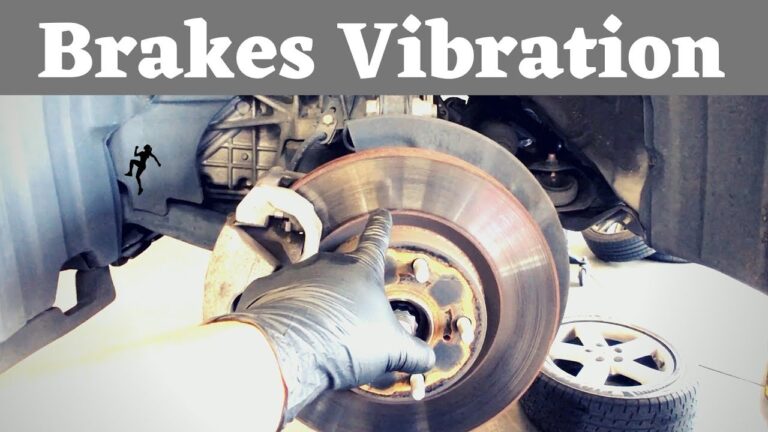
- Visual check: Park on level ground, set the parking brake, and inspect rotors, pads, dust shield, and hardware for obvious contact or damage.
- Wheel-by-wheel test: With someone to assist, slowly roll backward and forward about 5–10 feet to identify the axle that makes noise. Keep speeds slow and safe.
- Lift and spin: Safely lift the wheel with a jack and support it. Spin the wheel forward and reverse by hand to try to reproduce the noise. Look for contact points.
- Check pad movement: Press the brake pedal and release. Look for uneven pad travel, loose shims, or missing clips.
- Inspect rotors and drums: Measure rotor runout and look for a lip or heavy corrosion on the edge. For drums, check shoe wear and adjuster function.
- Test caliper slide pins and piston: Remove caliper and check that pins slide freely and the piston retracts smoothly. Lubricate or replace as needed.
- Replace one part at a time: If uncertain, try replacing the least expensive items first — clips, shims, or a bent dust shield — then re-test. This avoids unneeded expenses.

Repairs and typical cost ranges
Costs vary widely by vehicle type and region. These ranges assume parts and labor at independent shops.
- Reinstall or bend dust shield: Low cost, often under $50 if only labor.
- Replace anti-rattle clips or shims: Parts $5–$40; labor $50–$120.
- Resurface rotors (turning): $15–$50 per rotor plus labor; sometimes not recommended if rotors are thin.
- Replace rotors and pads (both axles): $200–$600 typical for many cars; higher for luxury or performance vehicles.
- Caliper rebuild or replacement: $100–$300 per caliper plus labor.
- Drum brake adjustments or shoe replacement: $100–$300 depending on parts and labor.
When diagnosing brake noise only in reverse, start with low-cost fixes first. If rotors are pitted or very thin, replacing pads and rotors together is often best for long-term quiet operation.

Maintenance and prevention to avoid reverse-only noises
- Regular inspection: Check pads, hardware, and shields every 10,000 miles or during tire rotations.
- Clean and lubricate: Use high-temp brake grease on slide pins and contact points when servicing pads.
- Replace hardware with pads: Always install new anti-rattle clips and shims when changing pads on many vehicles.
- Keep rotors rust-free: Drive regularly and clean off heavy rust, or use rotor resurfacing when needed.
- Address small noises fast: Small scrapes often become bigger problems if left.
Personal experience and lessons learned
I once diagnosed a persistent chirp that happened only in reverse on an older sedan. A quick lift and spin revealed a slight rotor lip and a missing anti-rattle clip. Replacing the clip and dressing the rotor edge fixed it in under an hour and cost less than $30. From that job I learned to always look for simple hardware issues first when brake noise only in reverse appears. Small parts often cause big headaches, and cheap fixes are common.
When to see a professional
If you hear grinding, a metallic scraping, or feel vibration while braking, stop and get it checked promptly. Complex issues like warped rotors, failing calipers, or wheel bearing play are safer for a trained technician. Also consult a shop if you cannot reproduce the noise safely or if repairs require special tools.
Frequently Asked Questions of brake noise only in reverse
What does it mean when brakes only make noise in reverse?
It usually means a part shifts or contacts differently under reverse load, such as a backing plate, clip, or rotor lip. The one-direction behavior helps pinpoint the source.
Can worn brake pads cause noise only in reverse?
Yes. Worn or uneven pads can sit slightly off the caliper and rub only when the wheel spins backward. Hardware problems often accompany pad wear.
Is it safe to drive if I hear brake noise only in reverse?
Short, soft chirps are not immediately dangerous, but you should inspect soon. Grinding, heavy scraping, or vibration requires immediate attention.
Will replacing pads fix noise only in reverse?
Sometimes. If the noise comes from pad backing plate contact or missing hardware, replacing pads and hardware usually solves it. Diagnosis first reduces unnecessary cost.
Could the parking brake cause reverse-only noises?
Yes. Partial drag or misadjusted parking brakes can create noises when rolling backward. Inspect the parking brake cables, shoes, and hardware.
Conclusion
Brake noise only in reverse is a precise clue that helps you find the problem faster. Common causes include pad backing plate contact, loose hardware, rotor lips, dust shield interference, and sticking calipers. Start with simple checks: visual inspection, wheel-by-wheel testing, and hardware replacement before moving to costlier repairs. Take action early to avoid increased wear and higher bills later. If you’re unsure or find grinding or vibration, see a trusted technician. Share your experience below, subscribe for more tech tips, or schedule a professional inspection to keep your brakes quiet and safe.