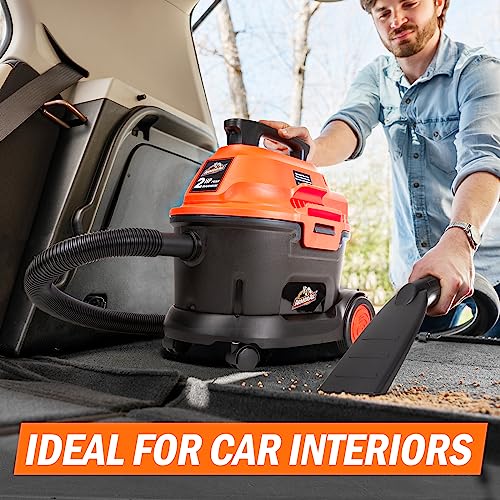
The best car vacuum that plugs into a lighter is the ThisWorx handheld vacuum with a long 16-foot power cord.
A quick clean can feel hard when crumbs hide under the seat, sand fills the floor mat, or pet hair clings to the fabric. I have found that a 12-volt car vacuum makes this job much easier because it runs from the vehicle’s lighter socket without a wall outlet. In this guide, I compare plug-in and cordless models for power, reach, tools, dust control, and daily ease of use. I also explain which option fits road trips, family cars, pet owners, and quick weekly cleanups.
ThisWorx Handheld Car Vacuum
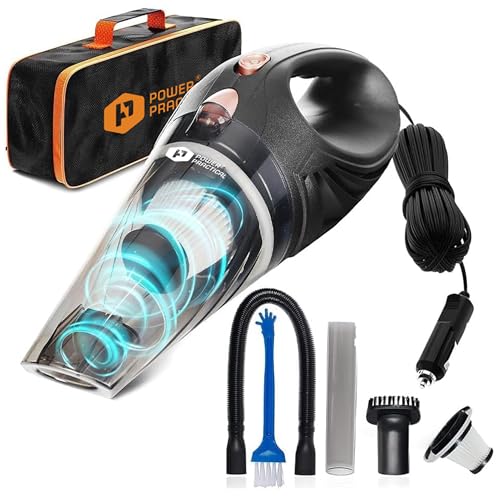
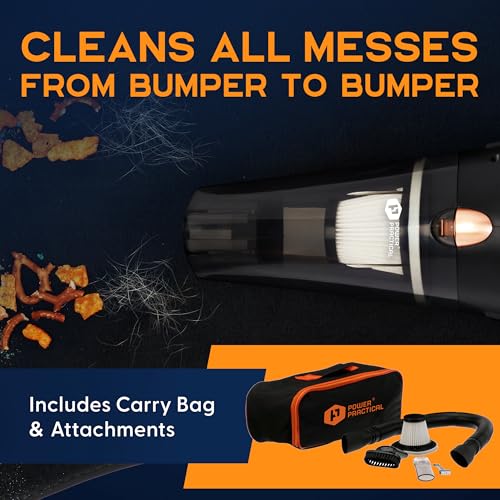
The ThisWorx handheld car vacuum is a strong match for drivers who want a simple 12-volt cleaner. Its long 16-foot cord gives it enough reach for most cars, SUVs, and many pickup trucks. I like that it draws power from the vehicle’s lighter socket, so I do not need to charge a battery before a cleanup. It is ready to use when a snack spills or dirt gathers by the pedals.
The compact body fits well in a trunk or garage shelf. Its included tools help reach seat seams, narrow gaps, and floor mats. The clear dust container also makes it easy to see when the vacuum needs emptying. Like most small car vacuums, it works best for crumbs, dust, sand, and light debris rather than large wet messes or deeply packed mud.
Pros:
- Long 16-foot cord reaches front and rear seating areas
- Uses the vehicle’s 12-volt lighter socket
- Compact shape stores easily in a trunk
- Useful tools help clean seams and tight gaps
- Clear dust cup makes the fill level easy to check
- Good choice for quick car cleanups without battery charging
Cons:
- Must remain connected to the car during use
- May need more than one pass on thick carpet or heavy grit
- Small dust cup requires regular emptying
ThisWorx Car Vacuum Cleaner 2.0

The ThisWorx Car Vacuum Cleaner 2.0 is another practical plug-in model for routine interior care. It is made for drivers who prefer direct 12-volt power over a rechargeable pack. That design removes one common worry: a dead battery when the car needs cleaning. The slim handheld form is easy to move around the footwell and between the seats.
I see this model as a useful middle ground for people who want a dedicated car vacuum without paying for a large shop vacuum. The included attachments can help with upholstery, crevices, and loose dirt on mats. It is best for dry debris and small cleanup jobs. For a neglected vehicle with thick pet hair or gravel pressed into carpet, a full-size vacuum may still work faster.
Pros:
- Plugs into a standard vehicle lighter socket
- Does not require precharging before a cleanup
- Small design is easy to handle inside a tight cabin
- Helpful attachments improve access to narrow areas
- Suitable for crumbs, dust, sand, and dry daily debris
- Easy to keep in the vehicle for travel or work
Cons:
- Power cord can cross the cabin while cleaning
- Not designed for large piles of debris
- Suction can vary as the filter and dust bin fill
FAOGO 50000Pa Cordless Car Vacuum

The FAOGO handheld vacuum takes a different path from the plug-in models above. It runs on rechargeable batteries, so it does not connect to a lighter socket during use. That freedom is useful when I need to clean outside the vehicle or move from one row to another without a cord. The listing also presents it as a multi-use vacuum and air duster for places such as keyboards and home surfaces.
The two-battery setup can be helpful for longer jobs because one battery may be ready while the other is in use or charging. Its brushless motor design aims to provide strong airflow in a small body. Still, advertised suction numbers do not tell the whole story. Real results also depend on the nozzle, filter condition, battery level, and the type of dirt being removed.
Pros:
- Cordless design makes movement around the car very easy
- Two batteries can support longer cleaning sessions
- Works away from the vehicle’s lighter socket
- Multi-use design can handle car and home tasks
- Air-duster function adds value for small dry debris
- Useful for pet hair, crumbs, dust, and tight spaces
Cons:
- Requires charging before use
- Battery run time depends on the selected power level
- Does not directly plug into a vehicle lighter socket
- More parts may mean more charging and filter care
BLACK+DECKER dustbuster HNVC215B10

The BLACK+DECKER dustbuster HNVC215B10 is a compact cordless option for quick touch-ups. It does not plug into the lighter, but it can suit drivers who value a simple grab-and-go design. The short handheld body feels natural for cleaning cup holders, seats, and small floor areas. A wall charging setup keeps it ready at home between uses.
This model makes the most sense for light debris rather than a full detail job. I would use it after a child drops crackers, after a short trip with a dog, or when dust collects around the console. Its compact size also makes storage simple in a kitchen, mudroom, or garage. As with other cordless vacuums, performance depends on keeping the filter clean and the battery charged.
Pros:
- Lightweight cordless body is easy to carry
- Fast to use for small spills and daily crumbs
- Compact size stores well in a home or garage
- No cable is needed while cleaning the vehicle
- Wall-mount option helps create a regular storage spot
- Recognizable design with simple handheld controls
Cons:
- Does not run from the vehicle’s lighter socket
- Shorter cleaning sessions than a corded vacuum may provide
- Not the best choice for large cars without recharging
- Small design may need several passes on carpet
ALITOVE 12V AC to DC Converter
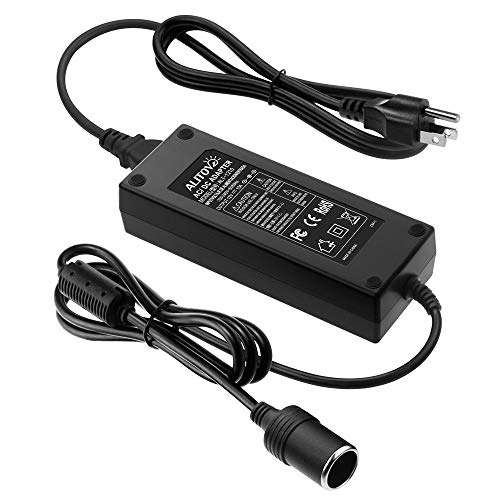
The ALITOVE converter is not a vacuum. It is a useful power accessory for certain 12-volt devices, including compatible car vacuums, inflators, coolers, and other equipment. It converts household AC power into 12-volt DC power through a lighter-style outlet. That means I can use a lighter-powered vacuum in a garage or near a wall outlet without starting the car.
This product can expand where a plug-in vacuum works, but compatibility matters. The converter is listed with a 10-amp and 120-watt capacity, so the device connected to it must stay within those limits. I would check the vacuum label and manual before plugging it in. I would also keep the converter dry, allow airflow around it, and avoid treating it as a replacement for a properly rated indoor appliance.
Pros:
- Lets compatible 12-volt devices run from a wall outlet
- Useful for garage cleaning when the car is off
- Can support selected car vacuums and inflators
- Provides a lighter-style socket for DC accessories
- Helpful for drivers who own more than one 12-volt tool
- Removes the need to move the vehicle near a work area
Cons:
- It is an adapter, not a vacuum cleaner
- Device wattage must stay within the converter’s rating
- It may not work with every 12-volt product
- It adds another cable and item to store
KMM 10000Pa Handheld Car Vacuum
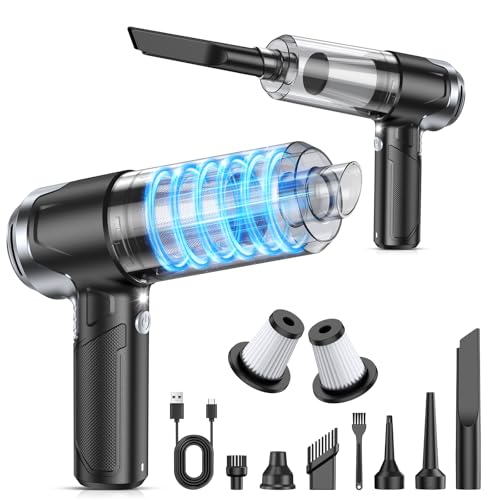
The KMM handheld car vacuum is a small cordless cleaner with an added air-duster function. It does not use the lighter socket, but its compact shape can be very handy inside a car. I like this style for cleaning dashboards, vents, console gaps, and other areas where a full-size vacuum feels clumsy. The listed 10,000Pa rating suggests a focus on light, fast cleanup rather than heavy shop-vac work.
The air duster can help move dust from narrow cracks before I vacuum it up. That two-way use gives the tool more purpose than a basic crumb vacuum. It should still be used with care around delicate screens, loose trim, and sensitive electronics. For normal dry dirt, pet hair on smooth surfaces, and small bits around the seats, it can be a convenient daily carry tool.
Pros:
- Small body fits easily in a glove box or center console
- Combines vacuum and air-duster functions
- Cordless use allows easy movement around the cabin
- Useful for vents, seams, cup holders, and small gaps
- Simple option for fast daily touch-ups
- Can serve light cleaning needs in the home or office
Cons:
- Does not plug into a lighter socket
- Not intended for large piles or deeply packed dirt
- Battery needs charging between uses
- Air output should be used carefully near delicate parts
BLACK+DECKER AdvancedClean Handheld Vacuum

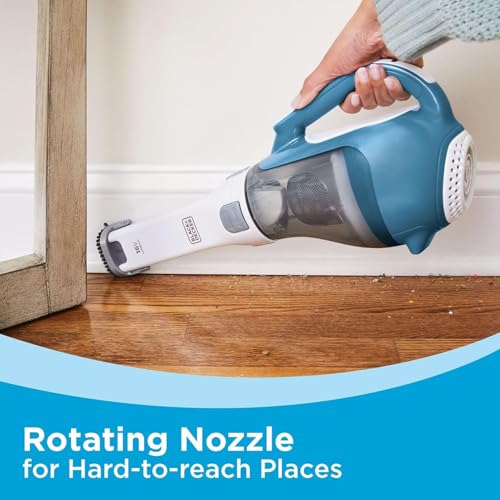
The BLACK+DECKER AdvancedClean is a cordless handheld vacuum built for home and car use. It is not a lighter-powered cleaner, yet it remains a useful alternative for people who dislike cords. Its rotating nozzle can help reach awkward spots, while the crevice tool targets narrow spaces between seats. The included charging station gives the vacuum a clear place to rest after use.
This vacuum is a good fit for regular light cleaning in a small or medium car. I would choose it when convenience matters more than unlimited run time. A cordless design also helps when the vehicle is parked far from the house. Keep the filter and dust cup clean so airflow stays steady, and charge the unit after use if you want it ready for the next trip.
Pros:
- Cordless design avoids a cable across the vehicle
- Rotating nozzle helps reach awkward cleaning angles
- Crevice tool fits between seats and trim
- Charging station creates an organized storage point
- Useful for both household and car cleanup
- Good choice for quick, repeated touch-ups
Cons:
- Does not plug directly into the vehicle lighter
- Needs charging before longer cleaning sessions
- Small handheld format is not suited to full-car deep cleaning
- Battery performance can drop as the charge runs low
My Recommendation
After comparing these options, I would choose the original ThisWorx handheld model for most drivers who specifically want the best car vacuum that plugs into lighter. Its 16-foot cord gives it a useful reach, and direct 12-volt power avoids the waiting and battery planning that come with cordless models. It is a sensible pick for families, commuters, rideshare drivers, and anyone who wants to keep a vacuum in the trunk.
The ThisWorx Car Vacuum Cleaner 2.0 is also worth considering if its current price or package better matches your needs. Choose FAOGO, KMM, or either BLACK+DECKER model when cordless freedom matters more than lighter power. The ALITOVE converter is a smart add-on for compatible 12-volt tools used near a household outlet, but it does not replace a vacuum.
Before buying, I suggest checking three things: the power type, cord reach, and cleaning area. A lighter-powered vacuum can keep working as long as the vehicle supplies power, but the cable must reach the rear seats. A cordless model feels freer, yet its run time depends on charge, age, and power setting. Also confirm that your vehicle’s socket is rated for the device and follow the vehicle and vacuum manuals.
| Best for | Why |
|---|---|
| Daily crumbs and road dust | The ThisWorx 16-foot plug-in model offers direct power and good cabin reach. |
| Cord-free car and home cleaning | FAOGO and BLACK+DECKER cordless models are easy to move and store. |
| Using 12-volt tools near a wall outlet | The ALITOVE converter can power compatible devices within its rated limit. |
How to Choose the Best Car Vacuum That Plugs Into Lighter
Buying a car vacuum is not only about the highest suction number on a product page. I look at how the tool gets power, how far it can reach, how well it handles common car dirt, and how easy it is to clean. A vacuum may look powerful on paper but feel less useful if its cable is short or its nozzle cannot reach under the seat.
Check the power connection first
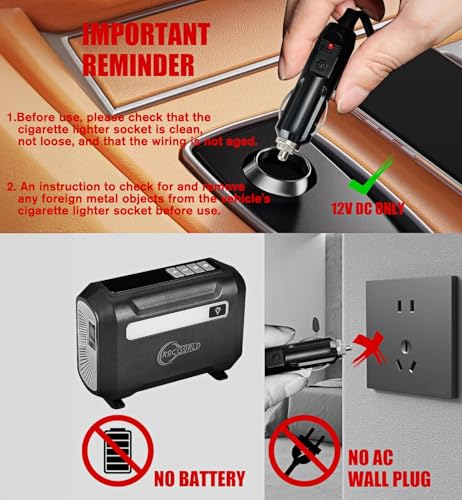
A true lighter-powered car vacuum usually has a 12-volt plug. It connects to the vehicle’s accessory socket, often called a cigarette lighter socket. This setup is simple, but the vehicle must supply power while the vacuum runs. Some cars turn the socket off when the ignition is off, while others keep it live, so I always check the vehicle manual.
Do not assume every socket supports every device. Check the vacuum’s power needs and the vehicle’s socket rating. Avoid using a damaged plug, loose socket, or frayed cord. If the plug becomes hot, stop using the device and inspect the connection. Small safety checks protect both the vacuum and the vehicle.
Think about cord reach
Cord length matters more than many shoppers expect. A short cord may clean the front seats well but leave the rear footwell out of reach. A long cord, such as the 16-foot cable on the first ThisWorx model, gives more room to work. I still route the cable with care so it does not catch on the gear selector, pedals, or seat rails.
For a compact sedan, a medium cord may be enough. SUVs, vans, and pickup trucks often benefit from extra reach. If you clean the cargo area often, measure the distance from the socket to the farthest spot. A few minutes of measuring can prevent a frustrating return.
Match suction to the dirt you find
Most car messes are small and dry. Crumbs, dust, sand, hair, and leaves do not always need a large vacuum. They do need a nozzle that makes good contact with the surface. Strong airflow helps, but a narrow tool can matter just as much because it concentrates the pull in a tight space.
Carpet holds dirt in its fibers, especially near the pedals. Rubber mats release dirt more easily but may have deep grooves. If you often carry pets, look for a brush tool and use slow passes. For heavy mud, stones, or large debris, remove the mats and use a larger household or shop vacuum when possible.
Look for useful attachments
A crevice tool is one of the most useful car vacuum accessories. It reaches between the seat and console, around rails, and under the edges of mats. A brush tool can loosen dust from fabric and trim. A flexible hose helps in tight cabins because I can hold the hose in one hand while guiding the tool with the other.
More attachments are not always better. I prefer a small set of tools that I will actually use. Extra parts can get lost in the trunk. Before buying, check where the tools store and whether they fit firmly. A loose attachment can fall off at the worst time.
Consider the filter and dust cup
A small car vacuum needs regular filter care. As dust fills the filter, airflow can drop. Empty the dust cup before it becomes packed, and clean or replace the filter according to the instructions. Never wash a filter unless the maker says it is washable. A wet filter can cause trouble if the vacuum is not designed for it.
A clear cup is helpful because I can see the fill level. A larger cup means fewer stops, but it also adds size and weight. For short weekly cleanups, a small cup may be fine. For several vehicles or a family van, a larger dust container can save time.
Choose corded or cordless with care
A plug-in model is often the best choice when you want steady use and do not want to wait for charging. It can run until the vehicle battery or socket limit becomes a concern. A cordless model is easier to carry and can clean outside the vehicle. The trade-off is that it needs charging, and its power may change as the battery drains.
There is no single winner for every driver. I prefer the best car vacuum that plugs into lighter for road trips because it can stay ready in the car. I prefer cordless tools for quick jobs at home or for cleaning a vehicle far from an outlet. Think about where you clean most often, not just how the vacuum looks in a picture.
Tips for Using a 12-Volt Car Vacuum Safely
Park in a safe place before cleaning. Set the parking brake, remove loose items, and keep the cord away from the pedals. If the vehicle must remain on to power the socket, use a well-ventilated outdoor area. Never run the engine in a closed garage because exhaust gas can build up quickly.
Start with the mats. Remove them, shake loose dirt outside, and vacuum the cabin floor after the larger pieces are gone. Work from the top down so dust that falls from the dash does not soil an area you already cleaned. Use the crevice tool around the seat rails, then finish with the floor and cargo area.
Do not vacuum liquids unless the product manual clearly says it supports wet pickup. Many compact car vacuums are for dry debris only. Water can damage the motor, filter, and electrical parts. If a spill occurs, blot it with a towel first and use a cleaner made for the surface.
Give the motor short breaks during a long cleanup if the manual recommends it. Feel the plug and cord from time to time. Unusual heat, smoke, a burning smell, or a sharp change in sound means I stop the vacuum at once. Safe use matters more than finishing one cleaning session quickly.
What Can a Car Vacuum Clean?
A good small vacuum handles daily debris well. This includes crumbs from snacks, dry soil from shoes, light sand, hair, dust, and small leaves. It can also clean cup holders, door pockets, seat seams, and the area under floor mats. These small jobs add up, and regular cleaning keeps dirt from becoming harder to remove.
Pet hair can be more difficult because it grips fabric. Use a brush attachment and move slowly in short strokes. A rubber glove or pet-hair tool can loosen stubborn hair before vacuuming. No small 12-volt vacuum should be expected to replace a deep detail service after months of buildup.
Glass, coins, and large stones need care. Remove sharp or oversized items by hand when possible. They can block a narrow nozzle or damage a small fan. Keep the vacuum for dry, manageable pieces that fit through the opening without force.
Common Mistakes to Avoid
One common mistake is buying a cordless model while searching for a lighter-powered cleaner. FAOGO, KMM, and the BLACK+DECKER options in this guide provide useful cordless service, but they do not connect directly to the lighter socket. Read the power section before ordering. Product photos can make several models look similar even when their power systems differ.
Another mistake is judging a vacuum by suction claims alone. Numbers may use different test methods, so they do not always compare evenly. Look at the full package: nozzle design, filter access, cord length, battery setup, and real user needs. A balanced tool often performs better in daily use than a powerful tool with poor reach.
Many people also forget to clean the filter. A blocked filter makes a vacuum sound busy while moving less air. Empty the cup after each major use and inspect the filter often. This simple habit can help maintain performance and extend the useful life of the machine.
Finally, do not pull the vacuum by its power cord. Hold the plug when removing it from the socket. Store the cord in loose loops rather than tight bends. These small habits reduce strain and keep the best car vacuum that plugs into lighter ready for the next cleanup.
FAQs Of best car vacuum that plugs into lighter
What is the best car vacuum that plugs into lighter?
The ThisWorx handheld model with the 16-foot cord is my top pick for most drivers. It uses the vehicle’s 12-volt lighter socket, offers useful reach, and works well for normal dry car debris.
Can I use a lighter-powered vacuum when the car is off?
It depends on the vehicle. Some sockets work with the ignition off, while others only work when the key or start system is active. Check the vehicle manual, and avoid draining the battery during a long cleaning session.
Are cordless vacuums stronger than 12-volt car vacuums?
Not always. Cordless models offer better movement, while plug-in models can provide steady power. Actual cleaning results depend on airflow, nozzle design, filter condition, and the type of dirt.
Can I use a 12-volt car vacuum in my garage?
Yes, but you need a suitable AC-to-DC converter, such as the ALITOVE model, if the vacuum cannot plug into a wall outlet. Check the vacuum’s wattage and the converter’s rating before use.
Can a car vacuum pick up water?
Only use it for water if the manufacturer clearly lists wet pickup. Most compact car vacuums are made for dry debris. Using a dry-only vacuum on liquid can damage the motor and create a safety risk.
Final Verdict: Which Should You Buy?
The ThisWorx 16-foot model is my top pick for the best car vacuum that plugs into lighter. It gives steady 12-volt power, useful reach, and simple tools for everyday dirt.
Choose a cordless model for free movement, or add the ALITOVE converter for compatible garage use. For dependable car cleaning, the right power type matters most.