Park safe, loosen lug nuts, jack up, swap wheel, tighten, check pressure.
If you want to know how to change a tire on a car without stress, you’re in the right place. I’ve changed flats on busy roads, dark driveways, and muddy trails. In this guide, I’ll show you how to change a tire on a car step by step, with tips I use in real life. Read on to learn the safest methods, pro tricks, and what to do after you get rolling again.
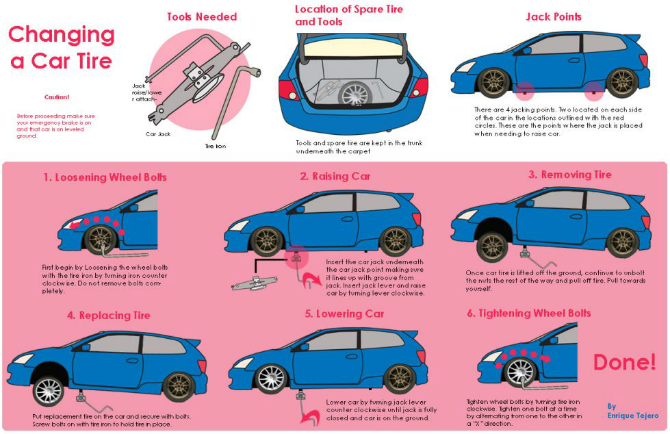
Tools You Need Before You Start
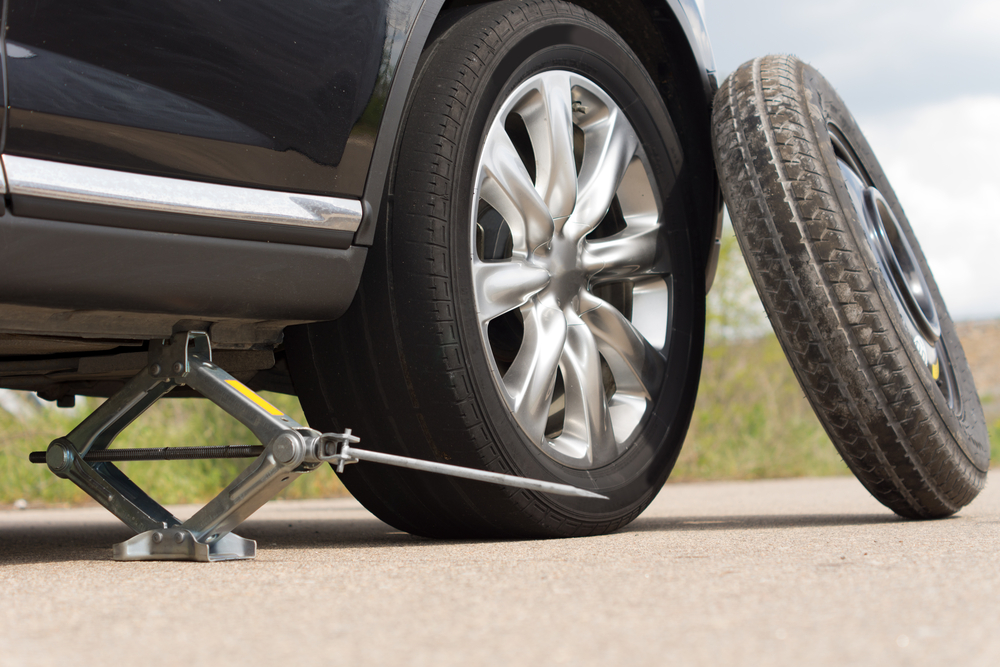
You can change a tire with the basic kit most cars include. I keep a few extras for speed and safety.
- Spare tire or donut tire
- Car jack and lug wrench
- Wheel chocks or heavy blocks
- Owner’s manual
- Gloves and a flashlight or headlamp
- Tire pressure gauge
- Reflective triangle or flares
- Breaker bar and torque wrench if you have them
- Penetrating oil and a small mat or towel for your knees
These tools make how to change a tire on a car much easier and safer. If you drive often, add a reflective vest and a rain poncho to your kit.
Safety First: Prepare the Car and Area
Think safety before you touch a tool. A flat is annoying, but a bad spot makes it risky.
- Find a flat, firm area away from traffic
- Turn on hazard lights and set the parking brake
- Keep passengers out of the way and pets inside
- Place wheel chocks on the tire opposite the flat
- Check the owner’s manual for jack points and steps
Never crawl under a car supported only by a jack. When teaching friends how to change a tire on a car, I stress this most: stable ground, correct jack point, and clear space.
Step-by-Step: How to Change a Tire on a Car
Follow these steps in order. Short, steady moves beat rushed ones.
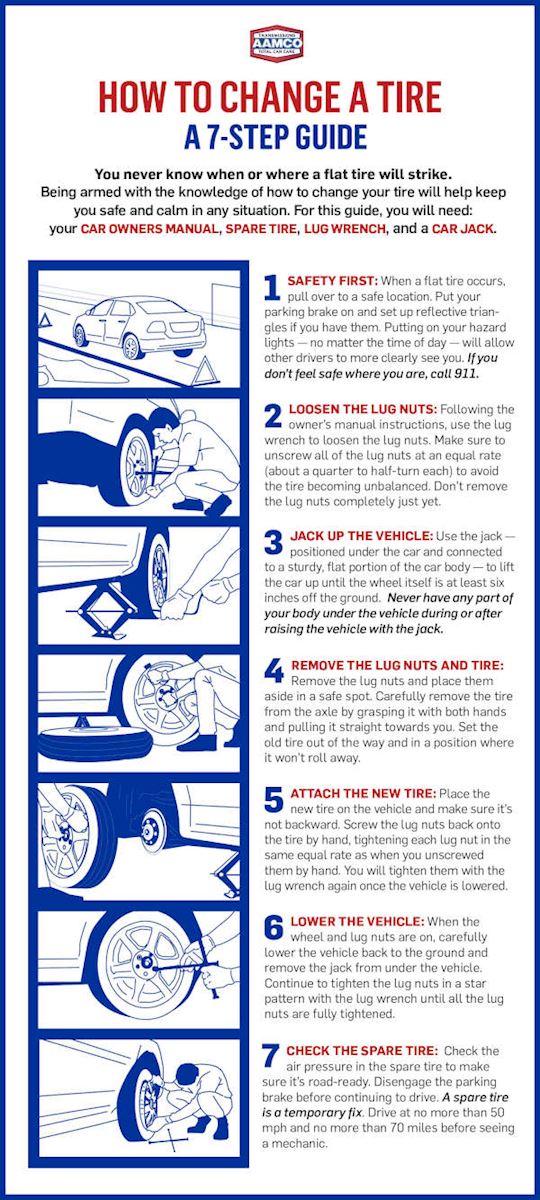
- Park safe and secure. Engage the parking brake. Leave the car in Park or in first gear if manual.
- Gather tools and your spare. Put them on the ground near the flat.
- Chock wheels. Block the tire across from the flat to prevent rolling.
- Remove the hubcap if needed. Use the flat end of the wrench or a trim tool.
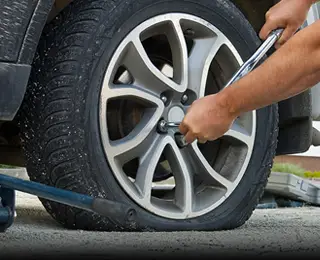
- Loosen lug nuts slightly. A quarter turn counterclockwise is enough. Do not remove them yet.
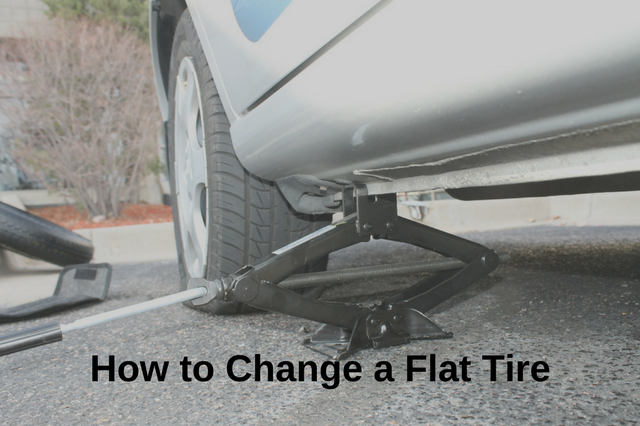
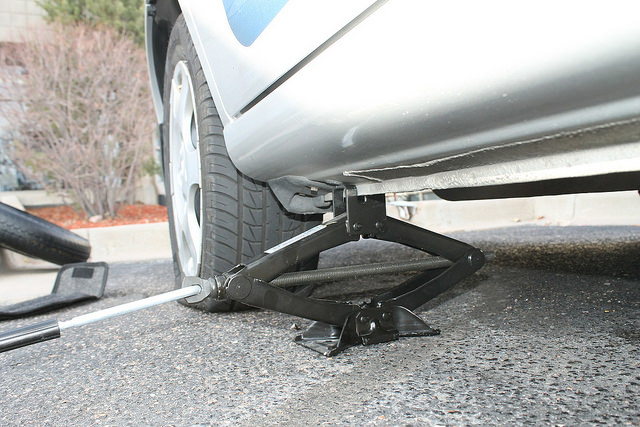
- Place the jack at the jack point. Check the manual for the exact lift spot.
- Raise the car. Lift until the flat tire is just off the ground.
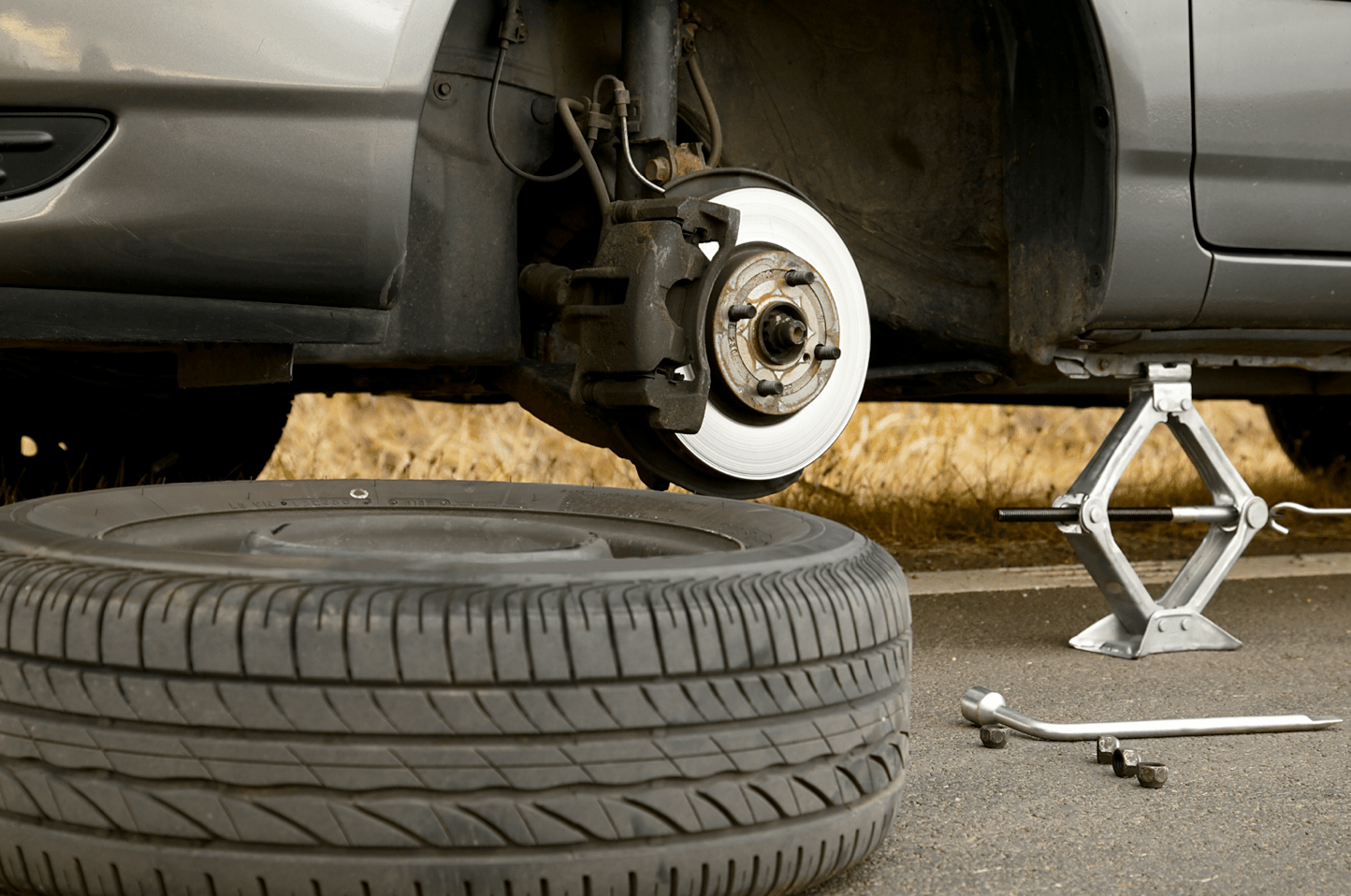
- Remove lug nuts and the wheel. Keep nuts clean and nearby.
- Mount the spare. Align holes and slide it on. Hand-tighten nuts in a star pattern.
- Lower slightly. Let the tire touch the ground but keep weight mostly on the jack. Snug the nuts in a star pattern again.
- Lower fully and remove the jack. Tighten the nuts firmly in a star pattern. If you have a torque wrench, set it to the spec in your manual. Many cars are around 80–100 ft-lb, but always check your exact spec.
- Check spare tire pressure. If low, drive slow to air up. Stow tools and the flat.
I once changed a tire in the rain on a sloped shoulder. The mat for my knees helped, but the real win was chocking both sides of the opposite tire. That small step kept the car steady. When you learn how to change a tire on a car, little habits like this add big safety.
Extra Tips for Tough Situations
Some flats fight back. Here’s how to handle the tricky parts.
- Stuck lug nuts: Use a breaker bar for extra leverage. A short burst of penetrating oil can help. Push with your legs, not your back.
- Soft ground: Put a flat board under the jack. It spreads the load and keeps the jack from sinking.
- Low cars: A compact scissor jack fits better under low sills. Drive the good tire onto a small board to gain height if needed.
- Night or rain: Wear a reflective vest. Use a headlamp so both hands are free.
- Highway flats: If you cannot reach a safe area far off the lane, call roadside help. Your safety is worth the wait.
These tricks turn a hard job into a calm one. They also show why knowing how to change a tire on a car before you need to matters.
Drive on a Spare the Right Way and What to Do After
A spare is a short-term fix. Treat it with care.
- Donut spare rules: Keep speeds under 50 mph and distance as short as possible. Many makers suggest under 50–70 miles. Check your manual.
- Full-size spare: You can drive longer, but still fix or replace the damaged tire soon.
- TPMS light: It may stay on after you mount a spare. That’s normal for many cars.
- Repair or replace: Only small tread punctures are fixable. Sidewall damage is not safe to repair. Ask a tire pro to inspect from the inside.
- Re-torque: After 25–50 miles, recheck lug nut tightness. Heat and vibration can loosen them.
This follow-up is part of how to change a tire on a car the right way. The goal is not just to roll again. It’s to roll safe.
Common Mistakes to Avoid
Skip these errors to save time and avoid damage.
- Jacking the car before loosening lug nuts
- Placing the jack on a weak point or soft soil
- Forgetting wheel chocks on a slope
- Tightening nuts in a circle instead of a star pattern
- Driving fast on a donut spare
- Skipping a torque check later
When I first learned how to change a tire on a car, I tightened in a circle and got a wobble. The star pattern fixed it at once. Simple, but critical.
Maintenance That Helps Prevent Flats
A few habits cut your odds of being stuck.
- Check tire pressure monthly and before long trips
- Inspect tread and sidewalls for cuts, nails, or bulges
- Rotate tires on schedule to even wear
- Keep a good spare with proper pressure
- Carry a small emergency kit with gloves, light, and chocks
How to change a tire on a car is a key skill, but good care means you may use it less often.
Frequently Asked Questions of how to change a tire on a car
How long does it take to change a tire on a car?
If you have the tools ready, it takes 15–30 minutes. Your first time may take longer, and that’s okay.
Can I change a tire on a car on the highway shoulder?
Only if you can stop far from traffic on firm ground. If space is tight or cars fly by, call roadside help.
What torque should I use on lug nuts?
Use the value in your owner’s manual. Many cars are around 80–100 ft-lb, but SUVs and trucks can be higher.
How far can I drive on a donut spare?
Use it only to reach a shop. Keep speed under 50 mph and distance as short as possible.
Can I repair a puncture myself?
Small tread punctures can be plugged and patched from the inside by a pro. Sidewall damage or large holes need a replacement.
What if I lost my wheel lock key?
Check the glove box or trunk for the key. A shop can remove locking nuts with special tools if needed.
Conclusion
You now know how to change a tire on a car with calm, clear steps. Find a safe spot, loosen, jack, swap, tighten in a star, and check pressure. Add smart habits, like chocks and re-torque, and you’ll handle flats like a pro.
Practice at home once so the process feels easy when it counts. Want more car care tips? Subscribe, share your flat tire story in the comments, and bookmark this guide for the next road trip.