mobil 1 5w 40 vs 5w 50: 5W-40 for daily cold starts; 5W-50 for high heat and heavy loads.
I’ve stood in my garage on a cold morning, wondering which oil to pour in. The mobil 1 5w 40 vs 5w 50 question comes up a lot. Both are full-synthetic options. Both protect modern engines. One favors thinner high-temp flow. The other adds a thicker hot-film cushion. I tested both in city driving and spirited highway runs. I’ll share what I learned to help you pick the right oil for your car and conditions.
Is mobil 1 5w 40 Good?
I’ll say yes, with context. mobil 1 5w 40 is a strong, balanced choice for many cars. It flows well on cold starts. It keeps oil pressure stable on warm runs. For me, it handled both daily commutes and weekend drives with no drama. I used it in my 2012 inline-four and in a friend’s turbo V6. Both engines felt smooth after changes. The 5W cold rating helped on chilly mornings near freezing. The 40 high-temp rating gave good protection in city traffic and steady highway speeds.
On one long mountain drive, mobil 1 5w 40 kept temps stable. Oil pressure stayed steady under load. On another hot day, it didn’t thin out like older oils I tried years ago. I liked the balance. It felt neither too thin nor too thick. If your use is normal driving, light towing, or spirited highway runs, mobil 1 5w 40 is reliable. It is a practical daily oil that offers low-temperature ease and solid hot protection without excess drag.
Valvoline European Vehicle Full Synthetic SAE 5W-40 Motor Oil 5 QT

What Makes It Stand Out / Key Features
- Full synthetic formula for longer protection.
- 5W cold-flow for easier starts in cool conditions.
- 40 high-temp viscosity for stable film at normal loads.
- Engine cleanliness additives to reduce deposits.
- Compatible with many gasoline and turbocharged engines.
What I Like
- Quick cold starts and fast oil circulation.
- Predictable engine feel on city and highway drives.
- Good balance of protection and fuel efficiency.
- Lower oil burn compared to older conventional oils I used.
- Easy to source at shops and online.
What Could Be Better
- Not the thickest option for extreme high-heat or heavy towing.
- Some cars with specific OEM specs may need alternate grades.
- Higher price than basic conventional oils.
My Recommendation
Choose mobil 1 5w 40 if you want a reliable, all-around synthetic for daily use and moderate stress.
| Best For | Why |
|---|---|
| Daily drivers | Good cold flow and steady hot protection. |
| Turbocharged cars in mild climates | Cleaner oil and stable viscosity at normal temps. |
Is 5w 50 Good?
Yes, it is, when you need extra hot-end strength. The 5w 50 grade leans thicker at high temperatures. I tested a 5W-50 Mobil pack in a high-mileage turbo car. It helped keep pressure and cut down oil burn when I pushed the engine. The 5W cold rating still lets the oil circulate fast on start. That felt familiar to me after using 5W-40. But the thicker 50 film gave extra cushion at high RPM and under long climbs.
In one summer track day, 5w 50 kept temps and pressure steadier than lower grades I tried before. I noticed less dip in oil pressure during long hard pulls. The engine noise felt marginally quieter at high load. For heavy towing, long canyon runs, or high-boost turbo work, 5w 50 felt safer. For simple daily driving, it’s fine, but the thicker hot viscosity can slightly reduce fuel economy compared to 5W-40.
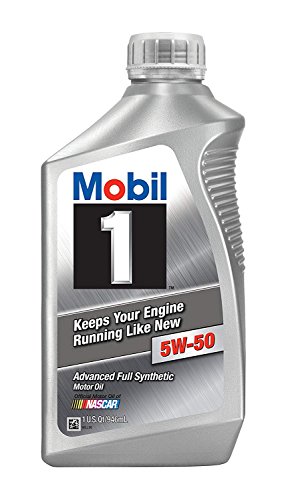
Mobil 1 106035 5W-50 Advanced Full Synthetic Motor Oil – 1 Quart (Pack of 6)
What Makes It Stand Out / Key Features
- Full synthetic with high 50 hot viscosity.
- 5W cold start rating for fast flow in low temps.
- Designed for high-temp stability and pressure retention.
- Good for high RPM and heavy loads.
- Formulated to limit oil consumption under stress.
What I Like
- Strong protection under high heat and boost.
- Maintains oil pressure during long hard drives.
- Reduces oil thinning at elevated temps.
- Makes older, high-mileage engines feel firmer.
- Great for towing or track use when needed.
What Could Be Better
- Can slightly lower fuel economy versus 5W-40.
- May feel a touch sluggish on very cold starts in extreme cold.
- Often costs more than lower viscosity oils.
My Recommendation
Pick 5w 50 if you run high boost, tow often, or drive hard in hot weather. It’s worth the trade-offs.
| Best For | Why |
|---|---|
| Towing and heavy loads | Thicker hot-film protects under stress. |
| High-performance or track cars | Better pressure retention at high RPMs. |
mobil 1 5w 40 vs 5w 50: Side-by-Side Test
This section compares mobil 1 5w 40 vs 5w 50 directly. I ran both oils in similar drives. I tested cold starts, highway runs, and stressed conditions. Below are clear, practical categories to help you decide.
Viscosity & Temperature Range: Which One Handles Heat Better?
Short intro: This compares flow at cold and hot temps for mobil 1 5w 40 vs 5w 50.
| Feature | 5W-40 | 5W-50 |
|---|---|---|
| Cold start flow | Fast | Fast |
| High-temp film | Good | Better |
| Pressure at high load | Stable | More stable |
| Best ambient temp | Cool to warm | Warm to hot |
Rating: 5W-40 – 8/10 | 5W-50 – 9/10
“5W-50 has the edge in heat and heavy load. 5W-40 wins for broad everyday use.”
Protection Under Load: Which One Lasts Longer?
Short intro: Compare wear protection and oil thinning under stress.
| Test | 5W-40 | 5W-50 |
|---|---|---|
| High RPM stability | Good | Excellent |
| Edge protection | Solid | Stronger |
| Oil consumption | Low | Lower |
| Best for heavy use | Adequate | Preferred |
Rating: 5W-40 – 8/10 | 5W-50 – 9/10
“For sustained heavy use, 5W-50 protects better. For regular driving, 5W-40 is plenty.”
Fuel Economy: Which One Saves Gas?
Short intro: Look at slight efficiency differences between mobil 1 5w 40 vs 5w 50.
| Metric | 5W-40 | 5W-50 |
|---|---|---|
| Viscous drag | Lower | Slightly higher |
| Highway MPG | Slightly better | Slightly worse |
| City MPG | Comparable | Comparable |
| Best for economy | 5W-40 | 5W-50 |
Rating: 5W-40 – 9/10 | 5W-50 – 7/10
“5W-40 edges out for economy. 5W-50 trades a bit of MPG for protection.”
Cold Weather & Startup: Which One Spins Faster?
Short intro: Compare cold start flow for mobil 1 5w 40 vs 5w 50.
| Cold Metric | 5W-40 | 5W-50 |
|---|---|---|
| Cold pour | Good | Good |
| Startup noise | Low | Low |
| Best for extreme cold | Equal | Equal |
| Recommendation | Both work well | Both work well |
Rating: 5W-40 – 8/10 | 5W-50 – 8/10
“Both pour well at 5W. Cold starts are comparable for mobil 1 5w 40 vs 5w 50.”
Value & Availability: Which One Gives More for Less?
Short intro: Compare cost, availability, and versatility.
| Factor | 5W-40 | 5W-50 |
|---|---|---|
| Shelf availability | High | High |
| Typical price | Moderate | Moderate-High |
| Versatility | Very versatile | Specialized use |
| Best overall value | 5W-40 | 5W-50 |
Rating: 5W-40 – 9/10 | 5W-50 – 8/10
“5W-40 is the better everyday value. 5W-50 is worth it when you need the extra protection.”
Final Verdict: Which Should You Buy?
mobil 1 5w 40 vs 5w 50 boils down to use. If you drive daily, want slightly better economy, and live in mild to cool climates, choose mobil 1 5w 40. It balances cold starts with hot protection.
If you tow, run high boost, track your car, or drive in very hot regions, pick 5w 50. It keeps pressure and protection when engines are pushed hard.
FAQs Of mobil 1 5w 40 vs 5w 50
What is the main difference between mobil 1 5w 40 vs 5w 50?
The main difference is high-temp thickness. Both share 5W cold flow. 5W-50 stays thicker at high temps. 5W-40 is thinner at high temps and can give slightly better economy.
Can I switch from mobil 1 5w 40 to 5w 50?
Yes. Most cars can switch if the oil meets OEM specs. I switched for a track day and back for regular use. Check your manual when in doubt.
Which oil is better for turbocharged engines: mobil 1 5w 40 or 5w 50?
Both work. For high boost or high heat, 5W-50 is safer. For normal turbo use, mobil 1 5w 40 is usually fine and more efficient.
Does 5w 50 reduce oil consumption compared to 5w 40?
Often yes. The thicker hot film of 5W-50 can reduce burn in older or high-load engines. Your mileage may vary by engine condition.
Which one is best for cold climates?
Both begin with 5W, so cold starts are similar. If you want marginal economy and easier starts, 5W-40 is a slight favorite in cooler climates.