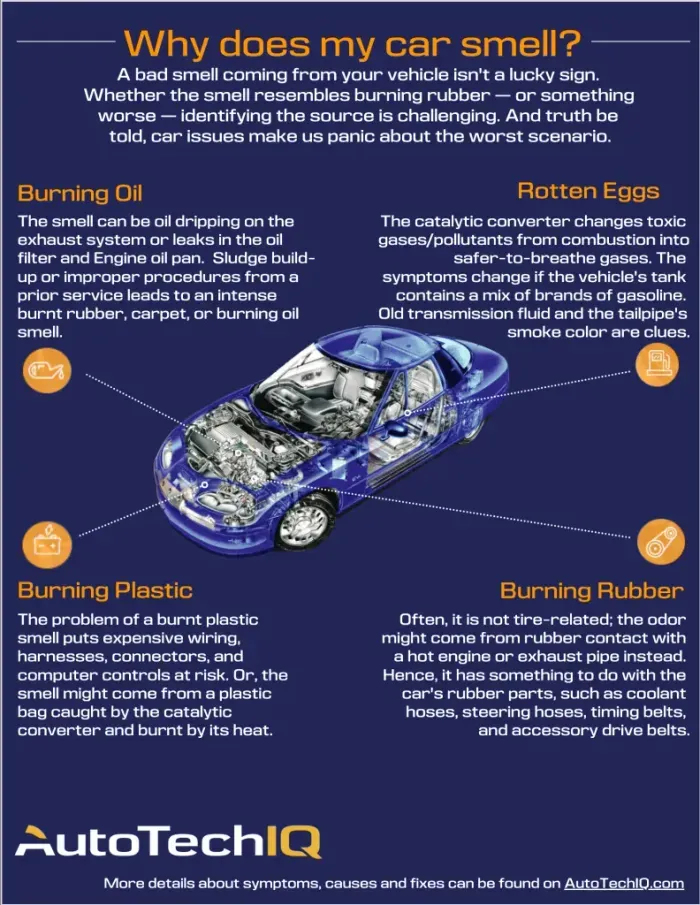
A burning rubber smell from car but no smoke often points to a slipping belt, hot plastic, or oil on the exhaust.
I’ve fixed cars and tracked odd smells for years, so I know how unsettling a burning rubber smell from car but no smoke can be. This guide explains likely causes, safe ways to find the source, simple fixes, and when to call a pro. Read on to learn clear, tested steps you can use today to sort the issue and keep your car safe.
Common causes of a burning rubber smell from car but no smoke
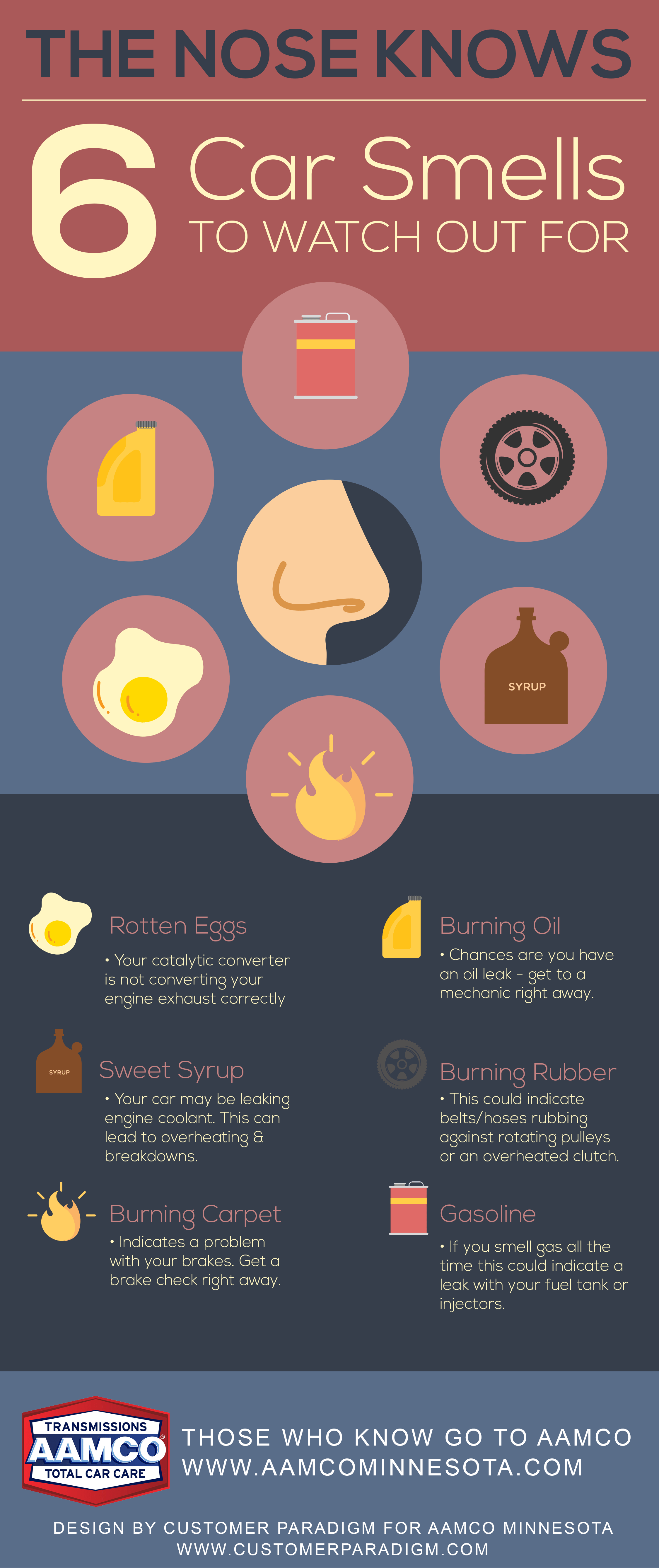
A burning rubber smell from car but no smoke can come from many small problems. Often the scent comes from heat on rubber, plastic, or fluid that hits hot metal. Below are the most common causes and short signs to watch for.
-
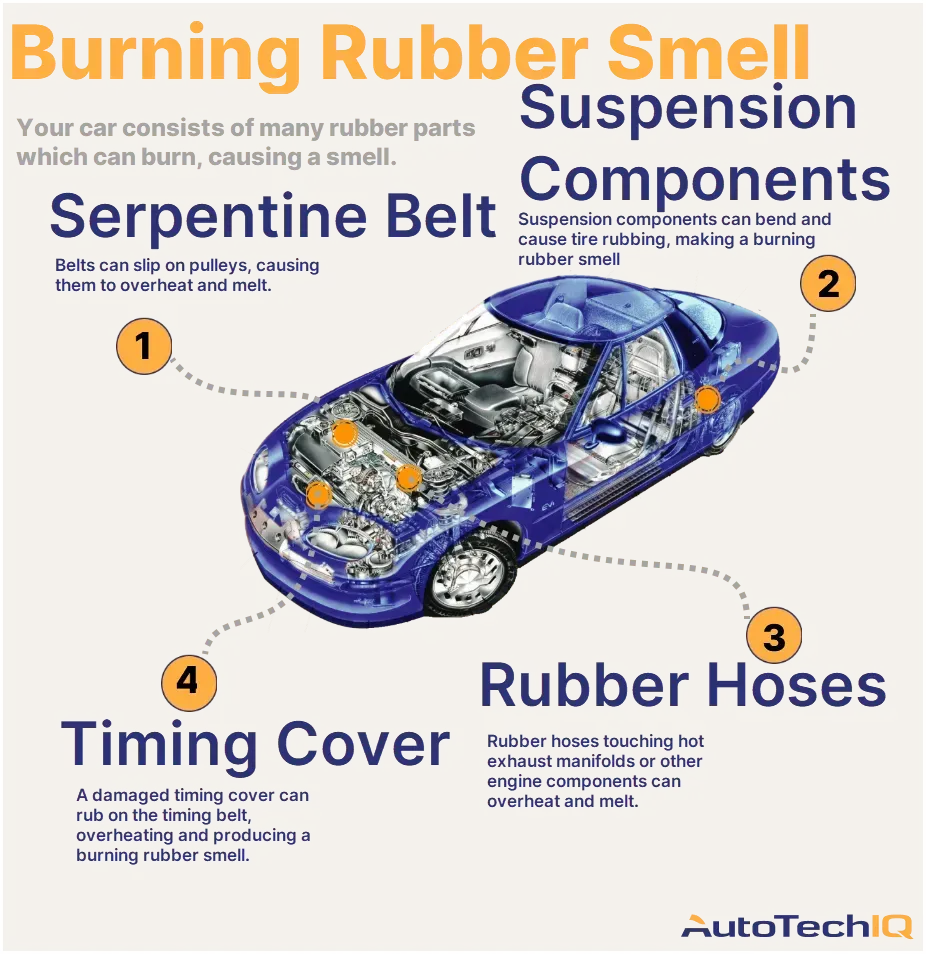
Slipping or worn serpentine belt
- The belt can slip on a pulley and heat up. It may smell rubbery but not produce smoke.
-
Loose or rubbing hoses and lines
- A hose rubbing on a hot part can melt slightly and smell like burning rubber.
-
Oil or coolant on the exhaust manifold
- Small leaks can drip fluids onto the hot exhaust and create a strong odor without visible smoke.
-
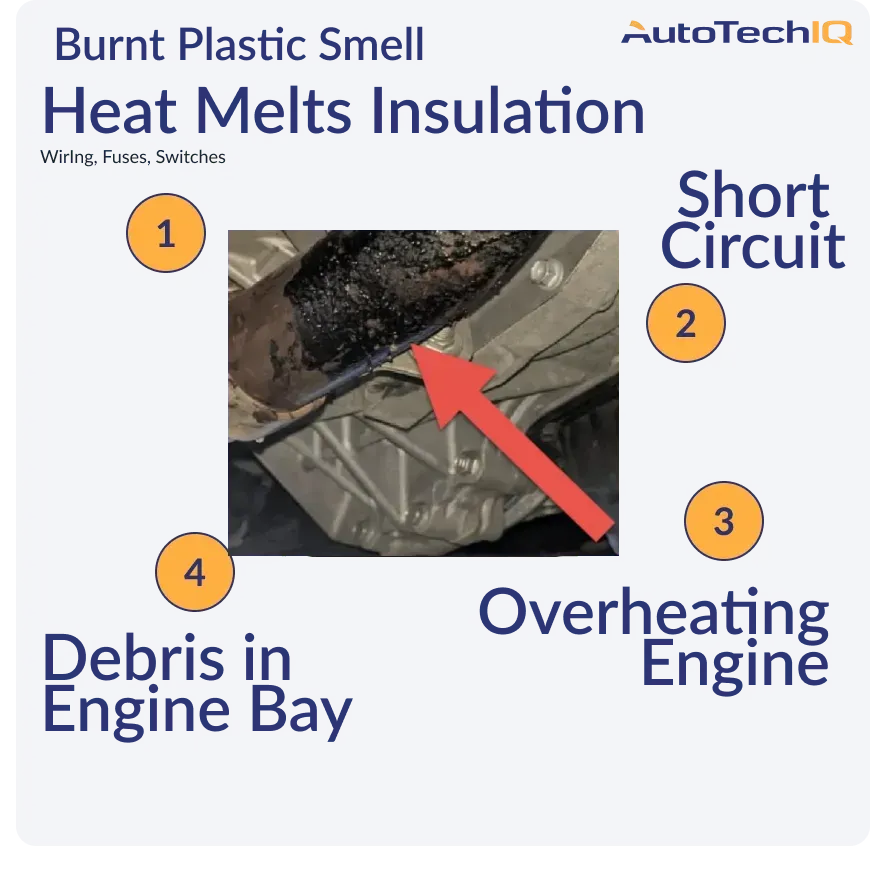
Electrical insulation heating or melting
- Friction or short circuits can warm wiring insulation. That gives a rubbery or sweet burning smell.
-
Plastic or debris near the exhaust or engine
- A plastic bag, wrapper, or engine cover touching the exhaust often smells like burning rubber when it melts.
-
Brake or clutch drag
- A dragging brake pad or slipping clutch can get hot and make a rubbery smell without producing smoke right away.
-
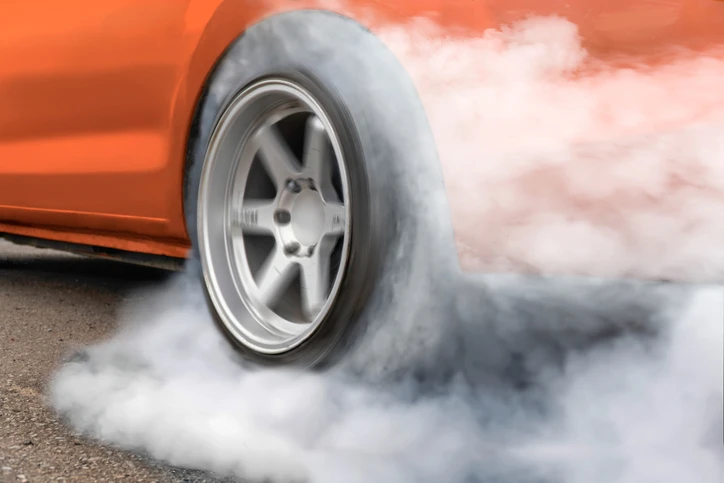
Tire rubbing or wheel liner contact
- A rubbed tire or liner can heat and smell like burnt rubber while showing no smoke.
How to diagnose the source safely
Safety first. If you smell burning, pull over safely and turn the engine off. Let the car cool before you touch anything.
-
Do a quick outside check
- Look for smoke, fluid puddles, or obvious damage. Feel the hood from a distance for hot spots.
-
Smell test from the cabin and outside
- Note whether the smell is stronger inside the car or outside. Cabin smells often point to HVAC or engine bay issues.
-
Inspect belts, hoses, and wiring after cooling
- Use a flashlight. Look for shiny, glazed, or cracked belts, melted plastic, or oil on hot parts.
-
Check wheel wells and brakes
- Drive slowly in a safe area. Stop and check if the smell grows after driving a short distance — that can indicate brakes or tires.
-
Use elimination steps
- Remove obvious debris from near the exhaust. Tighten loose hose clamps. Recheck to see if the smell returns.
I once found a small piece of plastic lodged behind the alternator that melted slowly and smelled strong for days. It took only 15 minutes to remove and the smell disappeared.

Common fixes you can try (DIY) and when to be cautious
Try simple fixes first. If you are unsure or the smell is strong and persistent, call a mechanic.
-
Tighten or replace a worn belt
- A new belt often fixes slipping and the smell. Replacing a serpentine belt is a common DIY job for many cars.
-
Clean oil or coolant off the exhaust manifold
- After fixing the leak, clean the hot area when cool. Use degreaser and rags. Repeat checks after a short drive.
-
Reroute or secure wiring and hoses
- Use zip ties and clamps to keep parts from rubbing on hot components.
-
Remove debris from the exhaust and engine bay
- Carefully clear plastic, leaves, or cloth found near hot parts.
-
Check brakes and tires
- If a wheel bearing or brake is dragging, get it inspected. Brake fixes can be safety-critical; don’t delay.
-
Replace damaged wheel liners or trim
- A loose liner that flaps into the tire can rub and heat up, causing the smell.
If the smell smells chemical or very sharp, or if you see sparks, smoke, or loss of power, stop and get professional help right away.
When to seek professional help
Some causes need a technician. Safety and potential fire risk guide the decision.
-
Persistent or worsening smell after DIY checks
- If the burning rubber smell from car but no smoke keeps coming back, see a pro.
-
Any sign of electrical burning or smoke
- Electrical fires escalate fast. A shop can test wiring and the charging system.
-
Fluid leaks that drip onto hot parts
- Leaks often need proper repair and pressure testing.
-
Brake or clutch issues with heat or performance loss
- These affect safety and should be fixed by a trained mechanic.
-
Unusual engine behavior along with the smell
- If you notice misfires, loss of power, or dashboard warnings, get professional diagnostics.

Typical repair costs and time estimates
Prices vary by car and region. These are rough ranges to help plan.
-
Belt replacement
- Cost: $50 to $300. Time: 0.5 to 2 hours.
-
Hose replacement and clamps
- Cost: $30 to $200. Time: 0.5 to 1.5 hours.
-
Fixing an oil or coolant leak and cleaning manifold
- Cost: $100 to $600. Time: 1 to 3 hours.
-
Electrical repair (wiring harness, connectors)
- Cost: $100 to $1,000+. Time: 1 to several hours.
-
Brake or bearing repair
- Cost: $150 to $800. Time: 1 to 4 hours.
These ranges are broad. Get a written estimate and ask about parts quality before you commit.
Prevention and simple maintenance tips
Good care reduces the chance you’ll smell burning rubber from car but no smoke. Routine checks save time and money.
-
Inspect belts and hoses every oil change
- Look for cracks, glazing, and wear.
-
Keep engine and exhaust clean
- Remove oil and debris promptly.
-
Replace worn parts on schedule
- Don’t wait for belts or hoses to fail.
-
Avoid parking over dry grass or leaves
- Hot exhaust can ignite dry material.
-
Address fluid leaks fast
- Small drips lead to big smells and worse problems.
-
Listen and smell regularly
- Cars talk to you. Odd smells are early warnings.
My real-world experience and practical lessons
Years of fixing cars taught me to trust odd smells. One winter I detected a faint burning rubber smell with no smoke. I checked belts and found a hairline crack. After replacing the belt the smell went away. Lesson learned: small issues often cause strong smells.
Always act early. A quick check can avoid a breakdown or worse. If you are nervous about DIY work, find a local shop you trust and ask for a simple inspection.

Frequently Asked Questions of burning rubber smell from car but no smoke
Can I drive if I smell burning rubber but see no smoke?
You can drive a short, cautious distance to a safe spot or repair shop. Avoid long drives and monitor for changes like smoke, loss of power, or strong heat.
Could the smell come from the brakes?
Yes. A dragging brake pad or seized caliper often makes a rubbery or hot-metal smell without immediate smoke. Have brakes inspected if the smell intensifies after stopping.
Can coolant or oil smell like burning rubber?
Yes. Coolant and oil that leak onto a hot exhaust can produce a smell similar to burning rubber. Finding and fixing the leak will usually stop the odor.
How do I find the exact source of the smell?
Start with a visual check after cooling the engine. Smell inside and outside the car, inspect belts, hoses, wiring, and wheel areas, and remove debris near the exhaust. Use elimination steps and short test drives to narrow it down.
Is an electrical burning smell dangerous?
Yes. Electrical burning can mean insulation is melting or a short is happening and can lead to fire. Stop driving and get a pro to inspect the wiring system.
How long will the smell last after a fix?
If the source was removed or repaired, the smell commonly fades after one or two short drives. Lingering odor may mean residue on hot parts or an unresolved issue.
What if the smell appears only in the cabin?
Cabin-only smells often point to HVAC, seals, or engine bay fumes pulled in through vents. Check cabin filters, engine bay seals, and ducting for leaks or debris.
Conclusion
A burning rubber smell from car but no smoke is often fixable if you act fast. Start with simple checks: belts, hoses, wiring, and debris near the exhaust. If the smell persists or you suspect electrical or brake problems, get professional help. Take action early to avoid bigger repairs or safety risks. Share your experience, ask a question below, or subscribe for more practical car care tips.