Car shaking when braking downhill usually means warped rotors, uneven pads, or worn suspension parts.
I’ve spent years fixing and diagnosing cars, and I’ve seen the common causes behind a car shakes when braking downhill. This guide breaks down why the shaking happens, how to check it safely, what repairs typically fix it, and practical tips you can use today. Read on for clear, step-by-step advice that helps you diagnose and stop your car shakes when braking downhill fast.

Common causes of a car shakes when braking downhill
When your car shakes when braking downhill, the problem can come from brakes, wheels, tires, or suspension. Most cases trace back to uneven contact or worn components. Below are the usual suspects and why they matter.
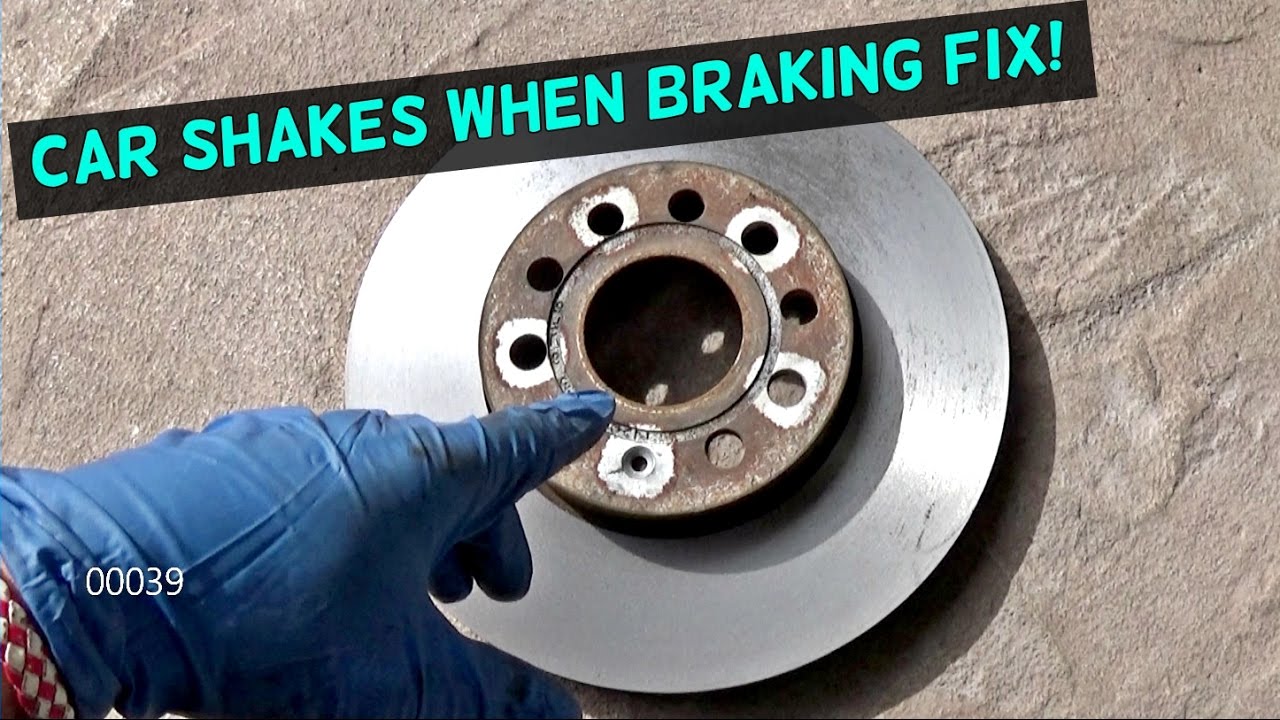
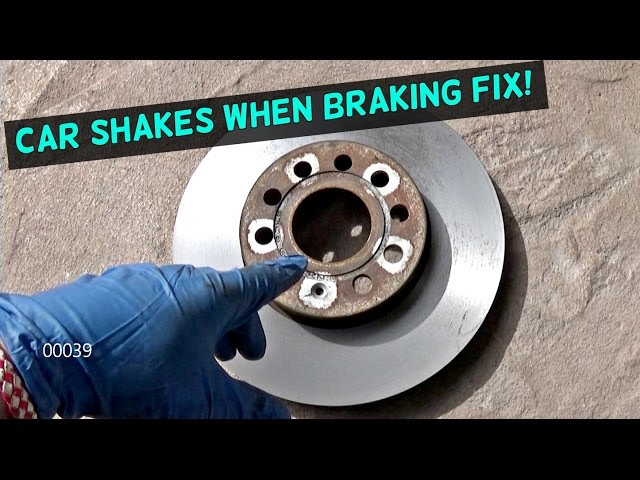
- Warped brake rotors — Heat and wear can warp rotors. Warped rotors cause the brake pads to grab unevenly, which makes the steering wheel or whole car vibrate under braking.
- Worn or contaminated brake pads — Thin or glazed pads pulse when clamping. Pads with uneven wear cause uneven braking pressure and shaking.
- Sticking or seized calipers — A caliper that sticks keeps a pad in constant contact. That creates heat, uneven wear, and vibration.
- Wheel or tire issues — Out-of-balance wheels, separated tire belts, or cupped tread cause vibration at speed and under braking. Tires can amplify brake-related shakes.
- Loose lug nuts or damaged wheels — A loose wheel or bent rim causes wobble that feels worse during heavy braking on downhills.
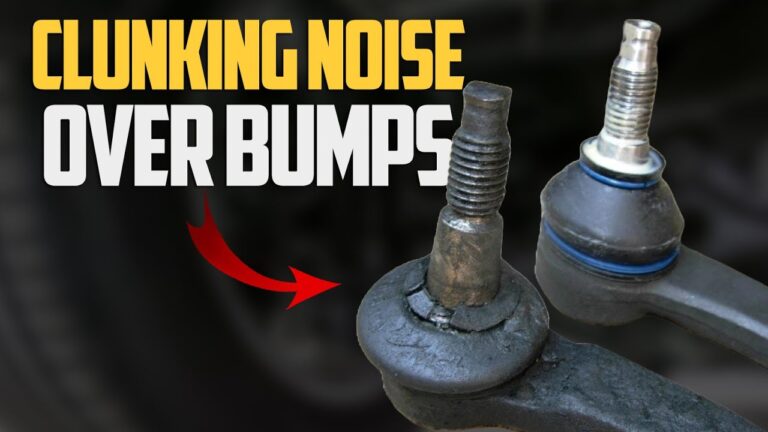
- Worn suspension or steering parts — Tie rods, ball joints, bushings, and shocks that are worn allow movement and resonance under braking forces.
- Wheel bearings — Bad bearings can cause a subtle shake that gets worse under load or braking.
- ABS or electronic issues — Malfunctioning ABS or wheel speed sensors sometimes pulse brakes unexpectedly, producing a judder.

How a car shakes when braking downhill feels and why it’s risky
Knowing what the shake feels like helps narrow the cause. Different patterns point to different parts.
- Steering-wheel vibration — Usually rotors, tires, or front wheel issues.
- Full-car shudder — Could be rear rotors, drivetrain, or severe tire issues.
- Pulsing brake pedal — Often warped rotors or ABS activation.
- Clunking with vibration — Suggests suspension or loose parts.
Why this is risky:
- Brakes are critical for control. A car shakes when braking downhill can reduce stopping power and stability.
- Downhill braking amplifies heat and load, which can worsen warped rotors and brake fade.
- Ignoring the shake can lead to more expensive damage or a safety hazard.
Step-by-step diagnosis: check these things safely
Diagnose methodically. Work on one thing at a time and keep safety first. Use a calm, measured approach.
- Visual inspection
- Check brake pad thickness and rotor surface for grooves or discoloration.
- Look for leaking brake fluid or a stuck caliper.
- Tire and wheel check
- Inspect tires for uneven wear, bulges, or cupping.
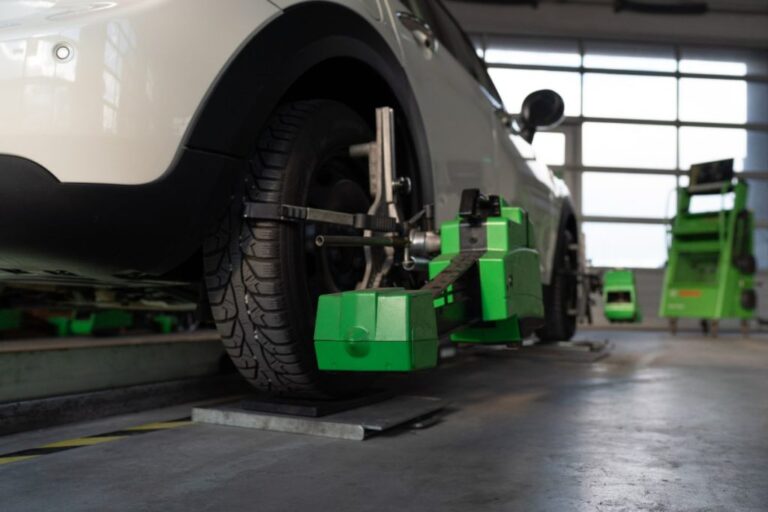
- Ensure lug nuts are torqued to spec and wheels aren’t bent.
- Road test
- Find a safe, low-traffic downhill section.
- Drive at a moderate speed and brake gently, then progressively harder.
- Note whether shaking happens only when braking downhill or on level ground too.
- Brake pedal feedback
- A soft, spongy pedal may indicate air or fluid issues.
- A hard, pulsating pedal often means warped rotors.
- Suspension and steering check
- With the car lifted, test for play in tie rods and ball joints.
- Check shocks and struts for leaks and firmness.
- Wheel bearing test
- Lift the car and spin the wheel by hand. Listen for roughness or rumble.
- ABS diagnosis
- If ABS activates at low speeds or unpredictably, scan for fault codes.

DIY fixes you can try and repairs that need a pro
Some fixes are quick and cheap; others require tools and expertise. Here’s what to try and when to see a mechanic.
DIY tasks you can do
- Check and tighten lug nuts to proper torque.
- Inspect tires and swap with a spare to see if vibration moves.
- Replace worn pads if you are comfortable and have the right tools.
- Clean brake dust and check for obvious rotor scoring.
Repairs best left to professionals
- Resurfacing or replacing rotors — needs measurement tools and machining or new parts.
- Replacing calipers, wheel bearings, or complex suspension parts — requires lifts and special tools.
- ABS system repair or brake line work — needs proper diagnostics and safety handling.
Typical cost considerations (approximate ranges)
- Brake pads replacement — moderate cost.
- Rotor machining or replacement — cost varies by car and rotor type.
- Suspension repairs — higher cost if multiple components need replacement.
Costs vary by region and vehicle. Get a written estimate before major work.

Preventing a car shakes when braking downhill: maintenance checklist
Regular care reduces the chance your car shakes when braking downhill. Short, consistent actions pay off.
- Schedule brake inspections every 12,000 miles or annually.
- Replace pads before they wear to the metal to protect rotors.
- Rotate tires regularly and balance wheels at intervals recommended by the manufacturer.
- Keep lug nuts torque-checked after wheel service.
- Address suspension noises immediately — they often precede vibration.
- Use proper brake fluid and flush it as recommended to avoid corrosion and caliper sticking.

My experience troubleshooting a car shakes when braking downhill
Years ago I drove a car that shuddered hard on descents. I first blamed rotors, but the shake stayed after new rotors and pads. Then I found a slightly bent alloy wheel from a curb hit. Fixing the wheel and balancing solved the issue. Lesson learned: don’t assume the obvious. Check tires and wheels before replacing brakes.
Another time, I ignored a minor shake and later faced warped rotors and a stuck caliper. That lesson cost more time and money. If you notice a car shakes when braking downhill, inspect early. Small checks save big repairs.
Frequently Asked Questions of car shakes when braking downhill
Why does my car only shake when I brake downhill?
Shaking during downhill braking is often due to extra heat and load on brakes and wheels. Warped rotors, sticking calipers, or wheel balance issues become more noticeable when braking on a grade.
Can worn tires cause my car to shake when braking downhill?
Yes. Tire problems like uneven wear, cupping, or belt separation can amplify shaking under braking. Balancing and replacing damaged tires often clears the vibration.
Is it safe to drive if the car shakes when braking downhill?
Short trips are possible, but it is not fully safe to ignore. Reduced braking performance and unpredictable handling mean you should inspect or repair soon.
Will new brake pads fix a car shakes when braking downhill?
New pads help if the pads were the main issue, but they won’t fix warped rotors or wheel problems. Often pads and rotors are addressed together for best results.
How do mechanics test for warped rotors or brake issues?
Mechanics measure rotor runout and thickness, check pad wear, and perform road tests. They may also inspect caliper operation and use diagnostic scans for ABS faults.
Can ABS cause a car to shake when braking downhill?
Faulty ABS sensors or modules can trigger incorrect pulse during braking, creating vibration or judder. A diagnostic scan often reveals ABS-related faults.
Conclusion
A car shakes when braking downhill most often because of warped rotors, uneven pads, wheel or tire problems, or worn suspension parts. Diagnose calmly, start with simple checks, and address issues early to keep stops smooth and safe. Take action now: inspect your tires and brakes, tighten lug nuts, and schedule a professional check if the shaking persists. Share your experience or ask questions below, and subscribe for more practical car care tips.