A faulty radiator cap or blocked return often causes the reservoir to stay empty.
I’ve spent years fixing cooling systems, and when a coolant reservoir empty but radiator full shows up, it usually points to a flow or sealing issue. This article explains why a coolant reservoir empty but radiator full can happen, how the system is supposed to work, step-by-step diagnostics, likely fixes, costs, and preventive tips you can use today. Read on for practical guidance, real-world examples from my shop experience, and clear next steps to solve the problem.
Why the coolant reservoir empty but radiator full happens
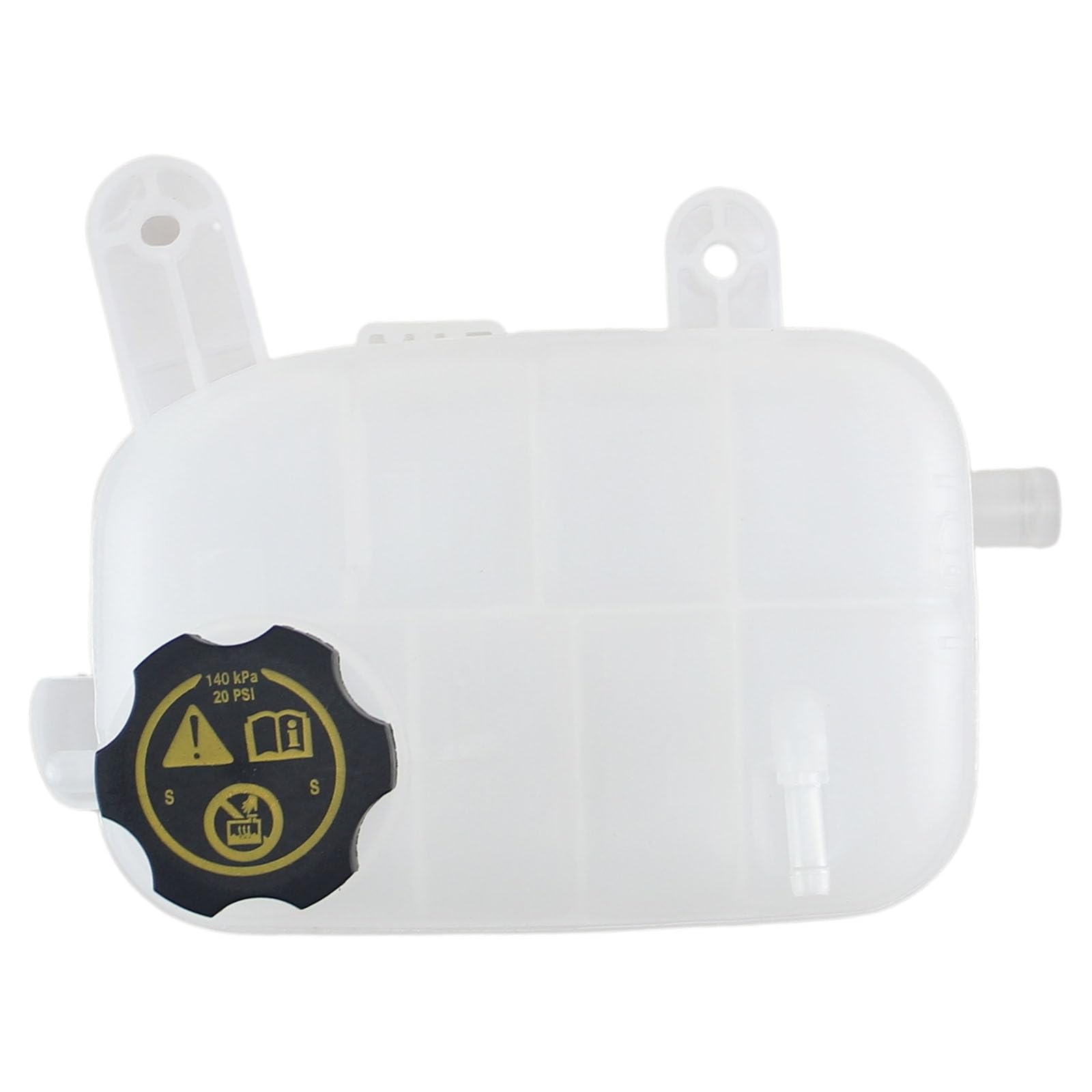
A cooling system holds fluid in two main places. The radiator stores coolant under pressure when the engine runs. The coolant reservoir stores overflow and provides a place for coolant to return as the system cools.
Common reasons the coolant reservoir empty but radiator full occur:
- Radiator cap failure stops coolant from flowing to the reservoir.
- A blocked or kinked hose between the radiator and reservoir.
- A cracked or leaking reservoir that loses fluid to the ground.
- Air trapped in the cooling system preventing return flow.
- Head gasket leaks that pressurize the system and push fluid out elsewhere.
I’ve seen cars come in with a full radiator but an empty reservoir because a cheap radiator cap had failed. Replacing the cap often fixed the issue within 30 minutes.

How the cooling system should work (and where things go wrong)
Understanding normal operation helps you spot faults quickly.
- Cold engine: coolant sits in the radiator and reservoir at low pressure.
- Warm engine: pressure builds in the radiator, raising the boiling point and forcing some fluid into the reservoir.
- Cooling: pressure drops and fluid returns from the reservoir to the radiator through the cap or return line.
When the system is healthy, the reservoir level should fluctuate slightly between hot and cold. If you have a coolant reservoir empty but radiator full, the return path or pressure regulation is likely broken. A blocked return, a bad cap, or system air can all break this balance.
Step-by-step diagnosis: find why the coolant reservoir empty but radiator full
Follow these steps in order. Work safely—never open a hot radiator cap.
- Visual check
- Look for leaks under the car and around the reservoir.
- Inspect the reservoir cap and hoses for cracks or kinks.
- Check the radiator cap
- Replace the cap if it looks worn or the seal is damaged.
- A bad cap can hold pressure but block return flow, causing the coolant reservoir empty but radiator full.
- Inspect the reservoir hose
- Remove and inspect the hose for blockage or collapsed sections.
- Blow through it or use a shop air nozzle at low pressure to verify flow.
- Pressure test the cooling system
- Use a hand pump pressure tester to pressurize the system to spec.
- Watch for pressure loss or bubbling; this identifies leaks or head gasket problems.
- Combustion gas test
- If the pressure holds but the reservoir empties while driving, test for exhaust gases in coolant.
- A head gasket leak can pressurize the system and force coolant out.
- Bleed air from the system
- Follow the manufacturer’s bleeding procedure to remove trapped air.
- Air pockets can prevent coolant from returning and make the coolant reservoir empty but radiator full.
From my experience, most DIY fixes start by swapping the radiator cap and checking the hose. Those two steps fix about half of the cases I’ve seen.

Common fixes and realistic costs
Here are typical solutions with rough cost ranges. Prices will vary by car model and region.
- Replace radiator cap
- Labor: 0.1–0.3 hours
- Parts: $10–$30
- Replace or unclog reservoir hose
- Labor: 0.2–0.6 hours
- Parts: $10–$50
- Replace cracked reservoir
- Labor: 0.5–1 hour
- Parts: $30–$150
- Flush and bleed cooling system
- Labor: 1–2 hours
- Parts/fluids: $50–$150
- Pressure test and head gasket repair
- Labor: 8–20 hours
- Parts: $500–$2,500 or more
Most cars with a coolant reservoir empty but radiator full are saved by simple, low-cost items. But if tests show combustion gases in the cooling system, be prepared for an expensive head gasket or engine repair.

Preventive maintenance to avoid the coolant reservoir empty but radiator full problem
Routine care stops small issues becoming big ones.
- Replace the radiator cap every few years or at first sign of wear.
- Inspect reservoir and hoses during oil changes.
- Flush coolant per the vehicle schedule to avoid blockages.
- Use the correct coolant type and mix to prevent corrosion.
- After repairs, always bleed the system to remove air pockets.
A small habit—checking the reservoir level monthly—saved me from a breakdown on a road trip once. I topped the reservoir and later discovered a cracked reservoir that slowly leaked. That check prevented an overheated engine.

When to seek professional help
Get professional help if:
- You detect white exhaust smoke or sweet coolant smell—this can indicate a head gasket issue.
- Pressure tests lose pressure and you cannot find an external leak.
- Replacing the cap and hoses does not stop the reservoir from going empty.
A qualified shop has the tools to pressure-test, perform a combustion gas test, and safely diagnose internal engine issues. If you suspect a head gasket problem, don’t delay; driving can worsen damage quickly.
Frequently Asked Questions of coolant reservoir empty but radiator full
Why is my coolant reservoir empty but radiator full after topping up?
If the reservoir stays empty after topping up, the radiator cap may be blocking return flow or the return hose is clogged. Check the cap and hose for damage or blockages.
Can a bad radiator cap cause the coolant reservoir empty but radiator full?
Yes. A failed cap can hold system pressure but fail to allow coolant to flow back into the reservoir, leaving it empty while the radiator remains full.
Could a head gasket cause the coolant reservoir empty but radiator full?
Yes. A head gasket leak can pressurize the coolant system with exhaust gases, forcing coolant out through leaks and preventing normal return to the reservoir.
Is it safe to drive with the coolant reservoir empty but radiator full?
Short trips may be possible, but it’s risky. Driving with cooling system issues can lead to overheating and engine damage, so diagnose the problem quickly.
How do I bleed air if my coolant reservoir empty but radiator full?
Follow the vehicle’s bleeding procedure: fill the radiator, start the engine with the heater on, open bleed valves if present, and top the reservoir as air escapes. Repeat until no more air bubbles appear.
Conclusion
A coolant reservoir empty but radiator full usually points to a return flow problem, a faulty cap, a blocked hose, or less commonly a gasket failure. Start with simple checks—cap and hoses—then move to pressure and combustion tests if needed. Prompt action saves money and prevents engine damage. Try the steps above, and if you’re unsure, have a pro test the system. If this guide helped, leave a comment, subscribe for more car care tips, or share your experience with cooling system repairs.