A failing blend door, low coolant, or air trapped in the heater core often causes this problem.
I have decades of hands-on experience fixing cars and diagnosing HVAC issues. If your heater blowing cold air engine warm, this guide explains why it happens, how to test it, and what to do next. Read on for clear steps, real-life tips, and simple fixes you can try before spending money at a shop.

Why your heater blows cold air while engine warm
When your heater blowing cold air engine warm, the engine reaches operating temperature but hot air never reaches the cabin. Heat comes from hot coolant. If hot coolant can't flow through the heater core, or airflow is blocked inside the HVAC system, the vents stay cold. Small parts like blend doors or control actuators often fail and give the same cold-air result even as the engine stays warm.
I’ve fixed cars that looked identical: warm engine on the dash thermometer, but blowing cold air at idle or on the highway. Many fixes are quick once you know where to look.

Common causes and how they create the problem
Here are the usual suspects when you have heater blowing cold air engine warm. Each item lists what it does and why it stops warm air from flowing.
- Blend door or actuator failure
- The blend door mixes heated and fresh air. If it sticks or the actuator breaks, cold air can blow even with a warm engine.
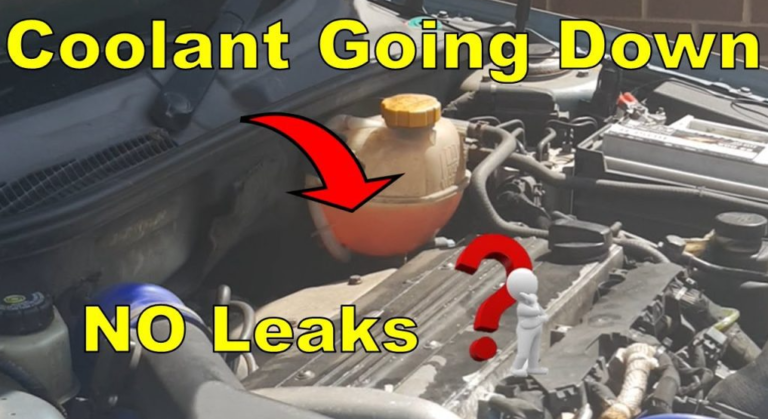
- Low coolant level
- Low coolant leaves the heater core starved of hot fluid. The engine gets hot, but the heater core stays cool.
- Air trapped in the cooling system
- Air pockets block coolant flow to the heater core. This often appears after coolant changes or leaks.
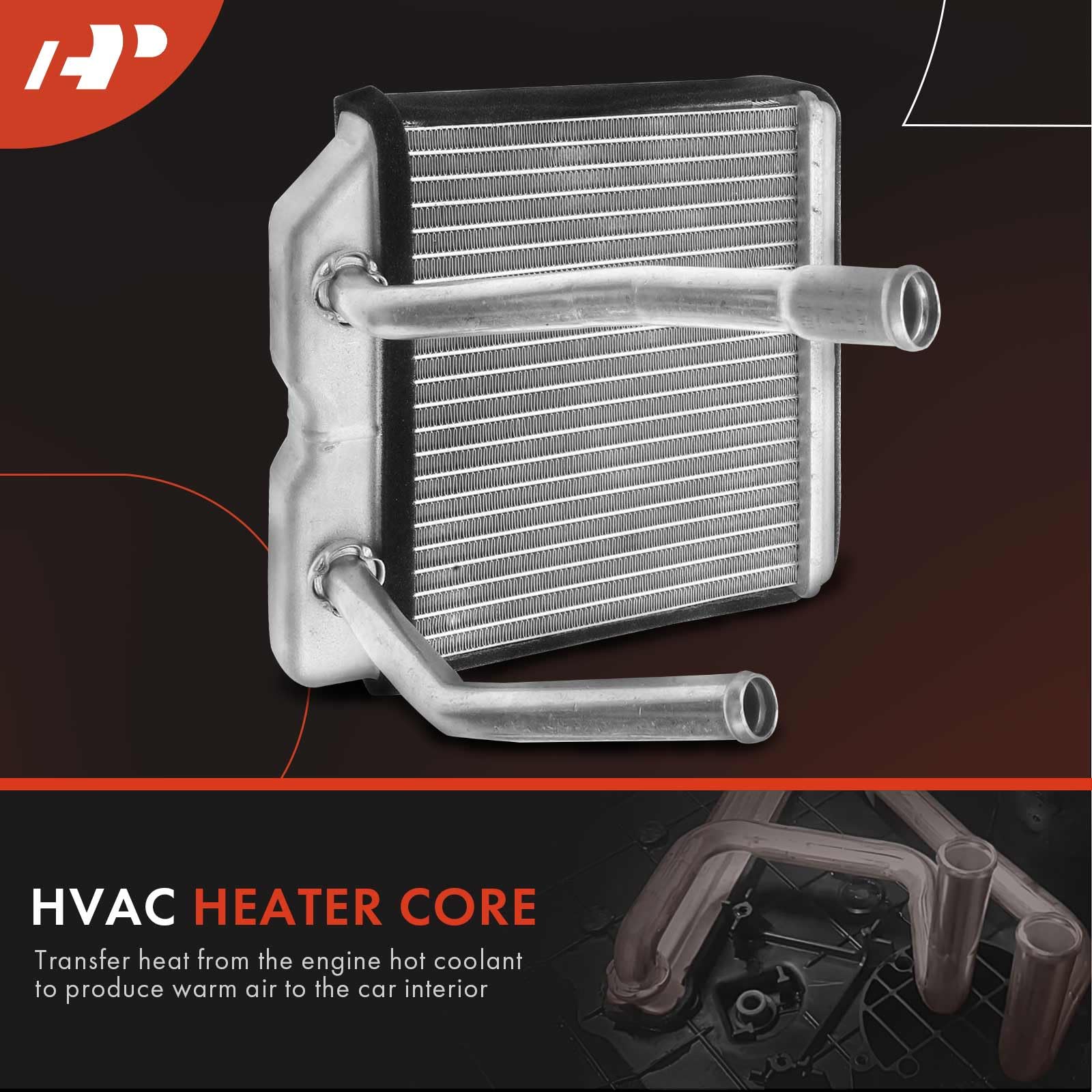
- Blocked or clogged heater core
- Sediment or corrosion can restrict flow. The heater core may not transfer heat even with good coolant levels.
- Faulty thermostat
- A thermostat that sticks open can keep the engine at lower-than-normal temperatures and reduce cabin heating.
- Broken hoses or valve in heater circuit
- Hoses or control valves that are closed or collapsed stop hot coolant flow to the heater core.
- HVAC control or electrical issues
- Bad controls, fuses, or relays can prevent the system from calling for heat or moving the blend door.
Most cars show one or two clear causes. I usually check coolant level and blend door function first.
How to diagnose step-by-step
Follow this simple checklist to find the root cause when your heater blowing cold air engine warm. Start easy and move to harder checks.
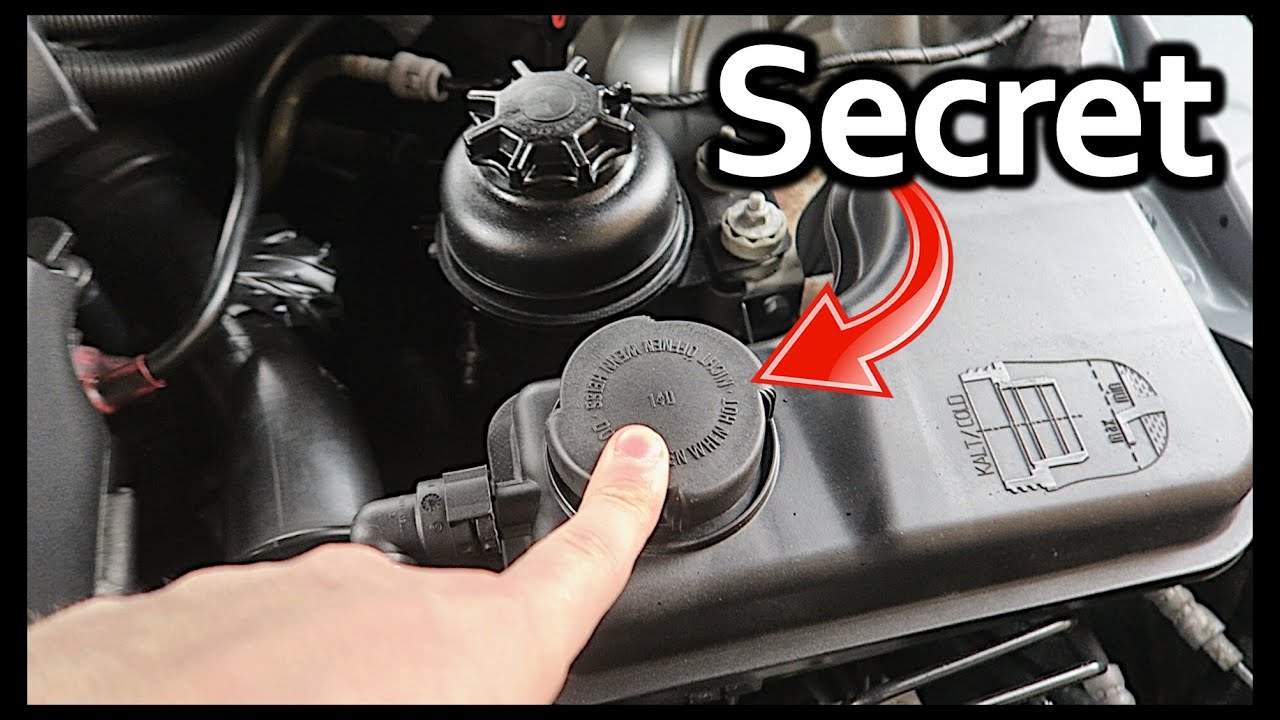
- Check coolant level
- Wait for the engine to cool.
- Open the reservoir and check marks. Add coolant if low.
- Feel heater hoses
- Start the car and let it reach normal temperature.
- Carefully touch both heater hoses near the firewall. They should be hot and similar in temperature.
- Look for air pockets
1. After topping off coolant, run the engine with the cap off and rev gently to burp air.- Watch for bubbles; they mean trapped air.
- Test blend door operation
- Change temperature settings and listen for movement behind the dash.
- If no movement, the actuator or door may be faulty.
- Check thermostat behavior
- Monitor engine temperature; slow rise or no rise can point to a stuck-open thermostat.
- Inspect for leaks and blockages
- Look under the car, around the heater core lines, and inside the cabin for damp carpet or sweet smells.
- Those signs show a leaking heater core.
I once found trapped air after a low-cost coolant flush. Burping fixed the heating in five minutes. Small checks like hoses and the reservoir often save time and money.

DIY fixes and when to call a pro
Some fixes are good for a weekend DIYer. Others need a technician with tools and parts.
DIY-friendly fixes you can try
- Top off coolant
- Use the correct mix and follow the owner’s guide.
- Bleed the cooling system
- Use the vehicle-specific burping method to remove trapped air.
- Swap a cheap blend door actuator
- Many actuators are easy to access; replacement can restore heat.
- Check and replace blown fuses
- HVAC fuses are often simple to inspect and swap.
When to see a professional
- Heater core replacement
- Replacing the heater core often needs dash removal and special tools.
- Complex cooling system repair
- Collapsed hoses, internal blockages, and major leaks need shop equipment.
- Recurring air or overheating problems
- Persistent issues may indicate head gasket or deeper engine problems.
From my shop days, a stuck blend door and a forgotten air pocket were the most common causes. I recommend trying the simple fixes first, but don’t delay professional help if you find leaks or if the dashboard shows odd temps.
Preventive maintenance to avoid cold-air issues
Regular care keeps your heater blowing cold air engine warm less likely. Simple habits prevent most failures.
- Regular coolant service
- Change coolant on schedule to prevent corrosion and clogging.
- Inspect hoses annually
- Replace soft, cracked, or collapsed hoses before they fail.
- Test the heating system after repairs
- Always burp the cooling system after replacing parts.
- Keep HVAC controls clean
- Dust and debris under dash panels can gum up actuators and linkages.
- Watch for early signs
- A sweet smell or damp carpet inside the car often shows heater core trouble early.
Preventive work saved me many roadside calls. Spend a little time each year and the heater will usually work when you need it.

Frequently Asked Questions of heater blowing cold air engine warm
Why is my heater blowing cold air when the engine is warm?
This happens when hot coolant doesn’t reach the heater core or when the HVAC blend door blocks hot air. Check coolant, hoses, and blend door operation first.
Can low coolant cause heater blowing cold air engine warm?
Yes. Low coolant reduces flow through the heater core and can leave the heater blowing cold air even if the engine reads warm.
Will bleeding the cooling system fix heater blowing cold air engine warm?
Often yes. Air trapped in the system prevents hot coolant flow; proper bleeding usually restores heat quickly.
Could a bad thermostat cause the heater to blow cold air while the engine is warm?
A thermostat stuck open can keep the engine cooler than normal, reducing cabin heat. But if the dash shows normal temp, the thermostat is less likely the issue.
Is a leaky heater core a reason for heater blowing cold air engine warm?
Yes. A leaking heater core may allow coolant loss and block flow; you may also notice damp carpet or a sweet smell inside the car.
Conclusion
If your heater blowing cold air engine warm, start with simple checks: coolant level, heater hoses, and blend door function. Many problems are small and fixable at home with basic tools. For leaks, clogged cores, or complex issues, seek professional help to avoid bigger repairs. Take action now by checking the reservoir, feeling the hoses, and testing the blend door—share your results or ask questions below to get tailored advice.