Most often caused by warped rotors, uneven brakes, bad tires, or worn suspension parts.
I have spent years fixing cars and riding along on test drives. I know how unsettling it feels when a car shakes when braking downhill. This guide explains why it happens, how to diagnose the cause, and what you can do right away. I will share hands-on tips, real repair steps, and clear signs that mean it’s time to see a pro. Read on to learn how to stop the shake and keep you safe on descents.
Common causes of car shakes when braking downhill
Vibration while braking downhill is a sign that something in the brake or wheel system is out of balance. The road angle and load can make the issue show up more on descents. Below are the most common causes I see in the shop.
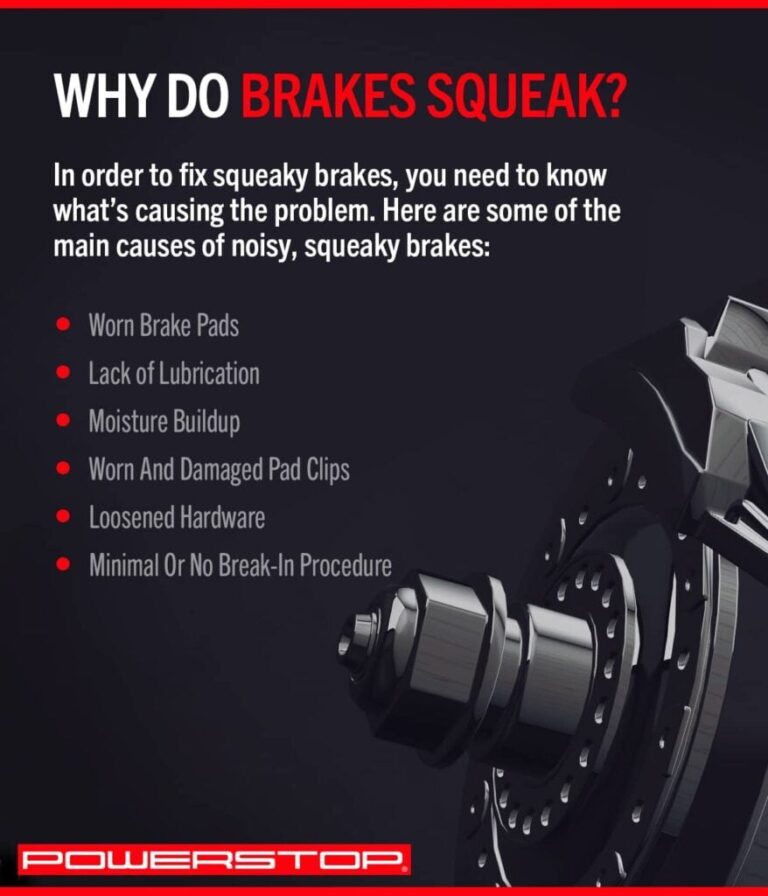
- Warped or uneven brake rotors. Heat and wear can create a bumpy surface. This causes a pulsating feel in the pedal and steering wheel.
- Worn or glazed brake pads. Pads that are uneven or hardened will cause shaking during braking. They may also make noise and reduce stopping power.
- Loose or improperly torqued lug nuts. Wheels that are not snug can wobble under braking. This becomes more obvious on declines.
- Tire problems like cupping, flat spots, or low pressure. Bad tire wear patterns transmit vibration to the chassis, especially under braking.
- Wheel imbalance. A tire-wheel assembly that is out of balance can make the car shake at certain speeds. Downhill braking can amplify the effect.
- Worn suspension or steering components. Tie rods, control arm bushings, and ball joints that are loose or worn will let the wheel move and cause shaking.
- Bad wheel bearings. A failing bearing can make a humming or grinding sound and cause vibration under load.
- Sticking calipers or uneven caliper pressure. If one caliper grabs more than the others, the car can pull or shake.
- ABS modulation or sensor issues. Faulty sensors or a problem with the ABS can cause pulsation sensations under hard braking.
I recommend checking rotors first. They are the most frequent culprit when the car shakes when braking downhill.
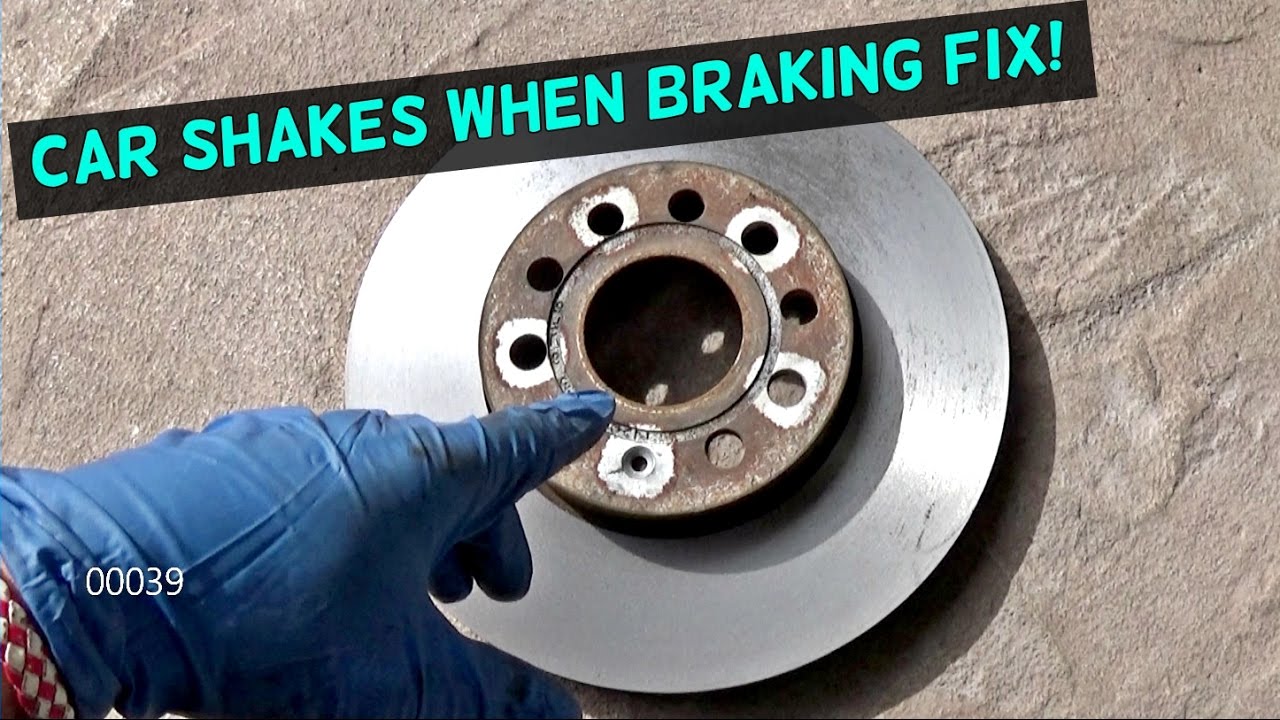
How to diagnose the problem step by step
A clear diagnosis saves time and money. Use this simple checklist to narrow down the cause before you replace parts.
- Recreate the symptom safely. Find a quiet, low-traffic hill and do a few controlled stops. Note if shaking appears only when braking downhill or at all times.
- Observe where the vibration comes from. Does it shake through the steering wheel, brake pedal, or floor?
- Check tire condition. Look for cupping, uneven wear, bulges, and correct pressure. Swap tires or rotate if needed to see if the symptom moves.
- Feel the brake pedal. A pulsing pedal often points to warped rotors. A soft pedal may mean fluid or line issues.
- Test for wheel play. With the car lifted, grab the wheel at 9 and 3 o’clock and try to rock it. Excessive play suggests bearings or steering/suspension wear.
- Spin the wheel and listen. Grinding, clicking, or rough spots can mean a bad bearing or brake dragging.
- Inspect the brakes visually. Look for uneven pad wear, rotor scoring, and seized calipers.
- Check lug nut torque. Uneven torque can cause wobble and vibration.
If you can isolate the shaking to the steering wheel and pedal at low speed on a slope, rotors or tires are the likely suspects. If it’s a floor shake, look at rear brakes or suspension.

Common fixes and repair options
Once you know the cause, choose a targeted fix. I list typical repairs with practical tips and average cost guidance. Prices vary by region and car model.
- Resurface or replace rotors. Light warping can sometimes be machined out. Deeply warped or thin rotors should be replaced. Expect parts and labor costs to vary widely.
- Replace brake pads. Use quality pads that match your driving style. Replace on both sides of the axle to keep balance.
- Torque wheel nuts correctly. Use a torque wrench and the factory spec. Re-torque after the first 50–100 miles if wheels were removed.
- Balance and rotate tires. Many shakes go away after balancing. Replace tires that show cupping or uneven wear.
- Replace wheel bearings. This fix often removes noise and vibration that worsen under braking.
- Service calipers and hardware. Clean and lubricate slide pins. Replace sticking calipers or damaged hardware.
- Align the wheels. A proper alignment reduces uneven tire wear and helps brake stability.
- Flush brake fluid. Old fluid can cause inconsistent brake performance and ABS issues.
My shop routine: inspect, test-drive, and then replace only what’s needed. I avoid swapping parts blindly. This saves money and keeps repairs honest.
When to seek professional help
Some signs mean you should stop driving and get help right away. Safety first. If you see any of the following, call a tow or visit a repair shop.
- Brake pedal goes soft or sinks to the floor under pressure. This suggests a fluid leak or master cylinder issue.
- Smoke, burning smells, or visible brake fluid leak. These are urgent hazards that require immediate attention.
- Severe pulling to one side while braking downhill. This could mean a stuck caliper or a major brake imbalance.
- Loud grinding or clunking noises during braking. This often indicates metal-on-metal contact or broken hardware.
- Excessive wheel play or a wheel that feels loose. This is a safety risk and needs fast action.
If you are unsure, have a pro inspect the brakes, suspension, and tires. Better safe than sorry.

Preventive maintenance to avoid car shakes when braking downhill
A little upkeep goes a long way. These simple steps help prevent the issue from returning.
- Inspect brakes every 6 months. Check pad thickness, rotor condition, and hardware.
- Rotate tires every 5,000 to 7,500 miles. This evens wear and reduces cupping risk.
- Balance tires when installing new tires. Rebalance if you feel vibration.
- Check wheel nut torque after wheel work. Loose wheels can cause dangerous wobble.
- Replace brake fluid per the factory schedule. Fresh fluid helps ABS and braking feel.
- Keep suspension parts inspected. Replace worn bushings, ball joints, and tie rods promptly.
Regular care cuts the chance of a scary shake while braking downhill. It also keeps stopping distance short and predictable.

Real-world experience and practical tips
Years ago I drove a client’s car that shook badly when braking downhill. The rotors looked fine at first glance. A quick test drive and a runout check showed they were warped. We chose new rotors and matched pads. The shake was gone after the repair. The lesson: visual checks help, but a road test confirms the real issue. I also learned to re-torque wheels after any service. I once had a loose wheel nut cause a small wobble that grew into a scary shake. Tightening it to spec fixed the problem.
Keep a simple checklist in your glove box. Note tire pressure, last brake service, and wheel nut torque. Small actions keep you safer on descents.

Frequently Asked Questions of car shakes when braking downhill
Why does my car shake only when braking downhill?
Downhill braking adds weight and heat to the brakes. This can reveal issues like warped rotors, uneven pads, or tire problems that do not show on flat roads.
Can bad tires cause the car to shake when braking downhill?
Yes. Tires with cupping, flat spots, or poor balance can transmit vibration during braking. Rotating or replacing tires often solves the problem.
Is it dangerous to drive when the car shakes while braking downhill?
It can be. Mild shaking might be safe short-term, but severe vibration, pedal sink, or pulling is dangerous. Have it checked soon to avoid brake failure.
Will resurfacing rotors fix the shake every time?
Not always. Resurfacing helps if rotors are within thickness spec and not too damaged. Deep warping or thin rotors need replacement.
How much does it cost to fix a car that shakes when braking downhill?
Costs vary widely. Simple fixes like torque or balancing are low cost. Rotor and pad replacement or bearing work costs more. Get a clear quote before work starts.
Can ABS cause the car to shake when braking downhill?
ABS usually pulses under hard braking. If the ABS pulses unexpectedly at low speeds or with light pressure, a sensor or module issue may be present and needs inspection.
Conclusion
A car shakes when braking downhill for a few clear reasons: rotors, pads, tires, wheel fitment, bearings, or suspension wear. Use safe test drives and a step-by-step check to find the cause. Fixing the right part saves time and money. Keep up with simple maintenance to prevent the problem. If you are unsure or see worrying signs, see a trusted mechanic.
Take action now: inspect your tires and brakes, book a test drive on a gentle hill, or contact a pro for a brake check. Share your experience or questions below and subscribe for more practical car care tips.