A worn belt or a stiff pulley usually causes a squeaking noise when car starts cold.
I have fixed many cars with that exact issue. I write this guide from hands-on work and research. You will learn why the squeaking noise when car starts cold happens, how to find its cause, what to fix, and when to see a pro. My tone is friendly and clear. I keep steps simple so you can act fast and safe. Read on to save time and money when that cold-start squeak shows up.

Why you hear a squeaking noise when car starts cold
Cold mornings make metal and rubber behave differently. Belts, pulleys, tensioners, and moisture react to low temps. When you start the engine, the belt system moves from still to fast. If parts are worn, stiff, or glazed, they slip and make a high-pitched squeak. The same noise can come from dried chassis parts, brake pads, or an old serpentine belt.
The phrase squeaking noise when car starts cold often points to the drive belt area. The sound can be brief or repeat until parts warm up. Short, sharp squeaks usually mean belt slip. Longer, grinding squeaks can mean bearing issues. I once fixed a 2010 sedan that squeaked only below 40°F; a new belt solved it.

Common causes of a squeaking noise when car starts cold
Here are the most common culprits to check first.
- Worn or glazed serpentine belt — The belt hardens in cold. It can slip until warm.
- Weak belt tensioner — A weak tensioner lets the belt slack and squeal.
- Seized or dry pulley bearing — Bearings resist motion when cold, causing squeaks.
- Loose belt or misalignment — A loose belt slips on pulleys and makes noise.
- Moisture or light rust on pulleys — Condensation can make a quick squeak on first start.
- Brake pad backing or dust — Moisture can cause a thin squeak that clears after driving.
- Cold engine oil or accessory loads — Heavy loads at startup can stress components and create noise.
I see belts fail more in winter and spring. Salt, dirt, and age speed wear. If your car had a belt change over 3 years ago, start there.
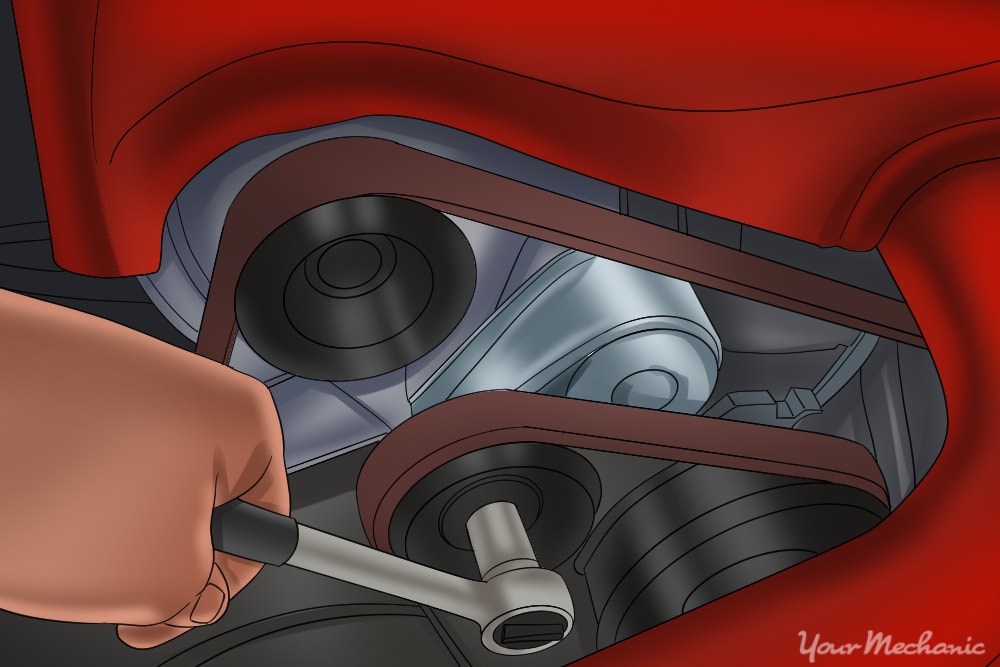
How to diagnose the squeaking noise when car starts cold
Start simple. Use safe steps. Keep the car parked and engine off for visual checks.
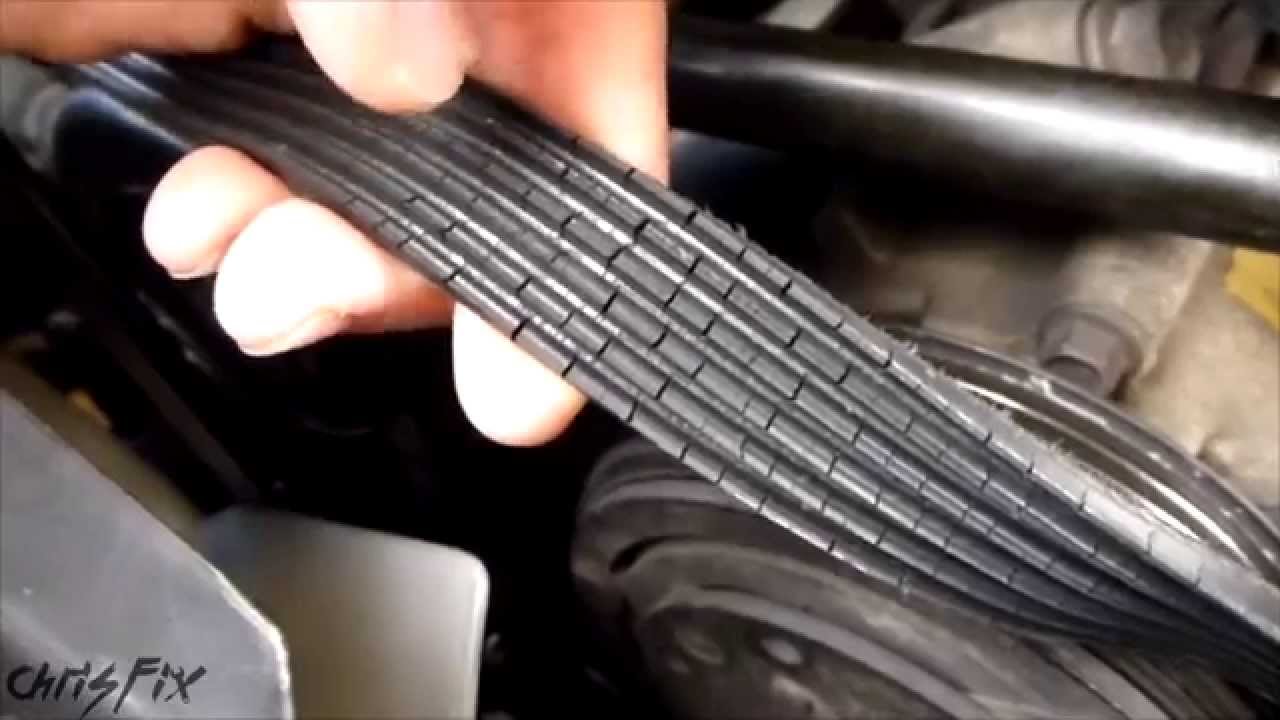
- Visual check of belt condition
- Look for cracks, glazing, or frayed edges. A shiny belt often slips.
- Check belt tension
- Press the belt mid-span. It should have little give. Too loose or too tight both cause trouble.
- Listen with the hood open
- Use a length of hose as a stethoscope. Place one end near the ear and move the other near pulleys to find the source.
- Inspect pulleys and tensioner
- Wiggle pulleys by hand. Any play or roughness hints at bad bearings.
- Test at cold start
- Start the car and listen briefly. Note if the noise stops after warm-up.
- Check brakes and chassis
* If noise is from wheels, look at pads and rust on rotors.
I once tracked a cold-start squeak to a tiny stone lodged in an idler pulley groove. It looked minor but made a loud squeak until removed. These checks often point to the right fix.
When to see a mechanic
Some problems are DIY-friendly. Others need tools and skill. See a mechanic if:
- The squeaking noise when car starts cold continues after warm-up.
- You detect grinding, smoke, or burning smells.
- The belt looks shredded, or pulleys show heavy play.
- Tensioner or pulleys need replacement and you lack tools.
A shop can test accessory loads and use a lift for safe inspection. I recommend a mechanic if you feel unsure or the repair needs pulley or water pump work.
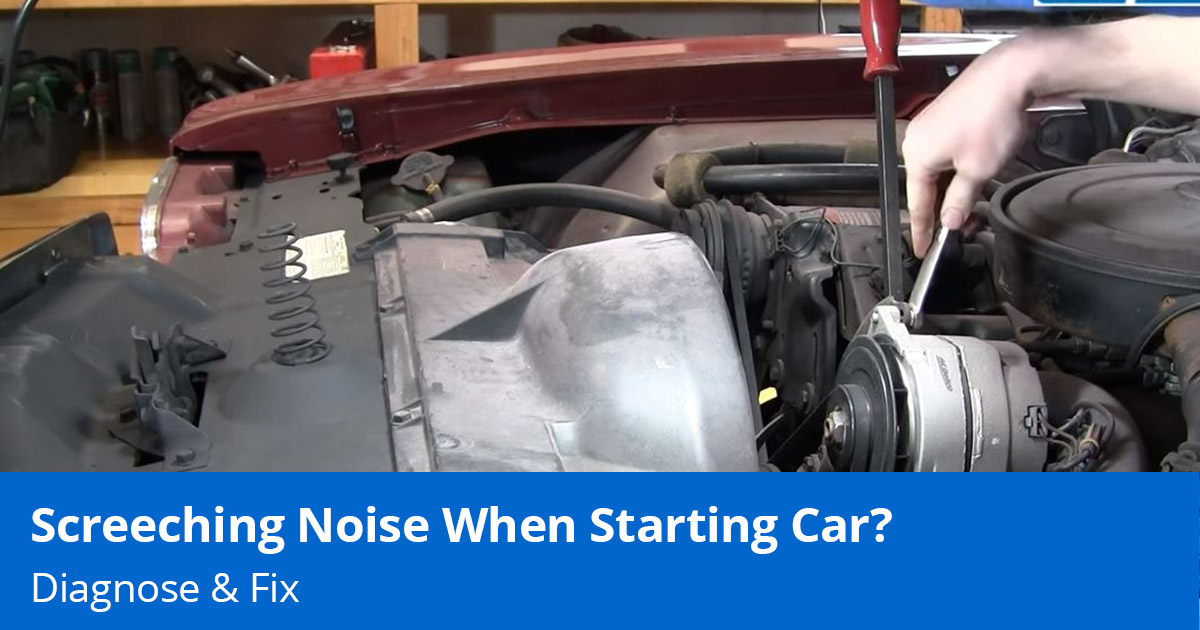
Fixes and estimated costs for a squeaking noise when car starts cold
Costs vary by car and parts. Here are common fixes and rough ranges.
- Replace serpentine belt
- Cost: $25–$75 parts, $50–$150 labor depending on model.
- Replace tensioner or idler pulley
- Cost: $50–$180 parts, $100–$250 labor.
- Replace multiple pulleys and belt together
- Cost: $150–$400 total, often the best long-term value.
- Replace water pump or alternator bearings (if noisy)
- Cost: $150–$600 depending on the part and labor.
- Clean and dry rotors or pads (if brake squeak)
- Cost: $0–$50 if DIY, $50–$150 at a shop.
If the squeaking noise when car starts cold stops after warming, a quick belt dressing is a short-term test. Avoid using belt sprays as a long fix. They mask issues and attract dirt. My shop experience shows that replacing the belt and failing pulleys fixes over 80% of cold-start squeaks.
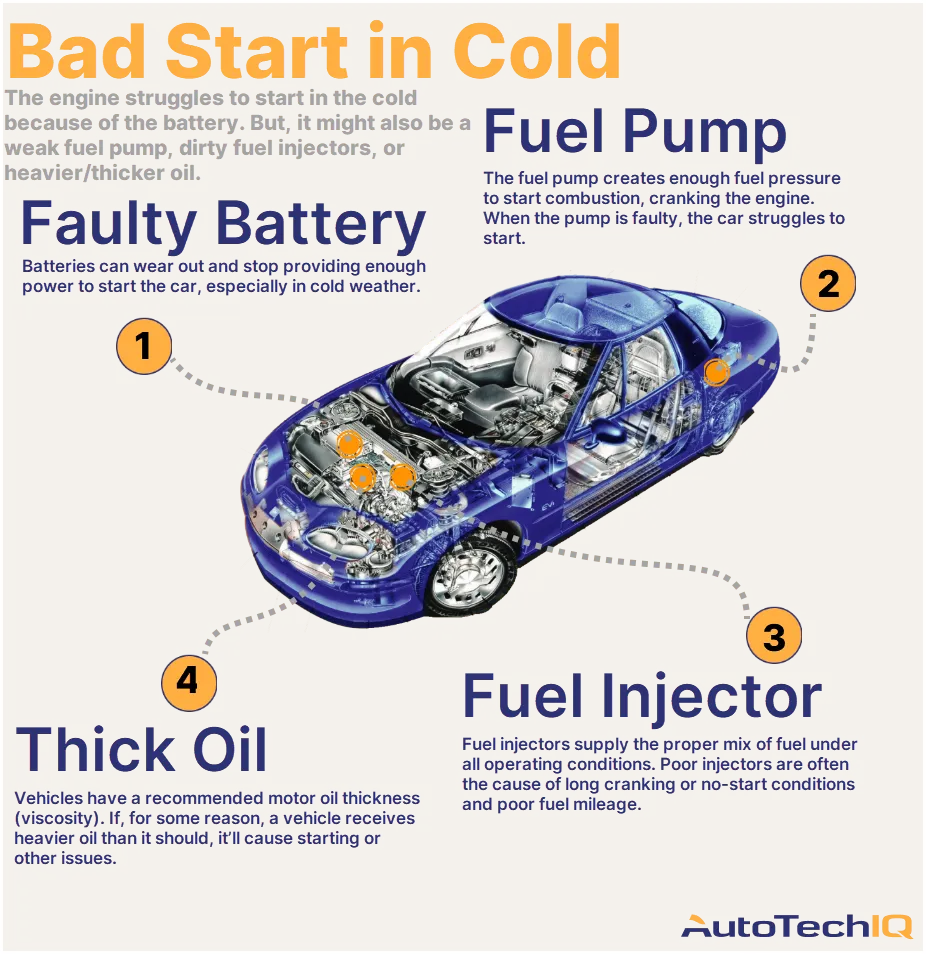
Preventive maintenance to avoid cold-start squeaks
Small steps prevent big problems. Do these regularly.
- Inspect belts every 6 months
- Look for cracks, glazing, or oil contamination.
- Replace belts by mileage or age
- Typical life is 60,000–100,000 miles or 4–6 years.
- Replace tensioner and idler pulleys when changing the belt
- New parts work better together and cut repeat trips.
- Keep engine mounts and accessories inspected
- Worn mounts can change belt alignment.
- Park in a garage or cover the car when possible
- Less exposure to cold and moisture helps belts last.
I now replace belts proactively on older cars. It stops many cold-start squeaks before they begin. This saves time and stress.

Frequently Asked Questions of squeaking noise when car starts cold
What does a squeaking noise when car starts cold usually mean?
It often means the drive belt is slipping due to wear, glazing, or low tension. It can also come from a failing pulley or tensioner.
Will the squeaking noise when car starts cold go away on its own?
Sometimes it stops after the engine warms and the belt softens. If it returns often, the underlying part needs attention.
Can I drive safely with a squeaking noise when car starts cold?
Short trips are usually okay, but avoid long drives until you check it. A failing belt or pulley can break and disable the car.
Is belt dressing a good fix for a squeaking noise when car starts cold?
Belt dressing can stop the sound temporarily. It does not fix worn belts or bad pulleys and can attract grime that shortens belt life.
How long does it take to fix a squeaking noise when car starts cold at a shop?
A belt replacement usually takes 1–2 hours. Replacing tensioner and pulleys can add time. More complex fixes take longer.
Conclusion
A squeaking noise when car starts cold is common and often fixable. Start with a belt and pulley check. Replace worn parts early to avoid bigger repairs. Use the simple steps here to diagnose or decide when to see a mechanic. Take action this week: inspect your belt, note the sound, and plan the right repair. If this helped, subscribe, leave a comment, or share your cold-start squeak story below.