A car pulling to one side usually signals uneven tires, poor alignment, or brake problems.
I’ve spent years working around cars and driving hundreds of miles testing repairs. If your car pulls to one side while driving, this guide breaks down why it happens, how to diagnose it, and clear fixes you can trust. I’ll share real-world tips, costs, and simple checks you can do at home so you can make smart choices and stay safe on the road.
Common causes: why your car pulls to one side while driving
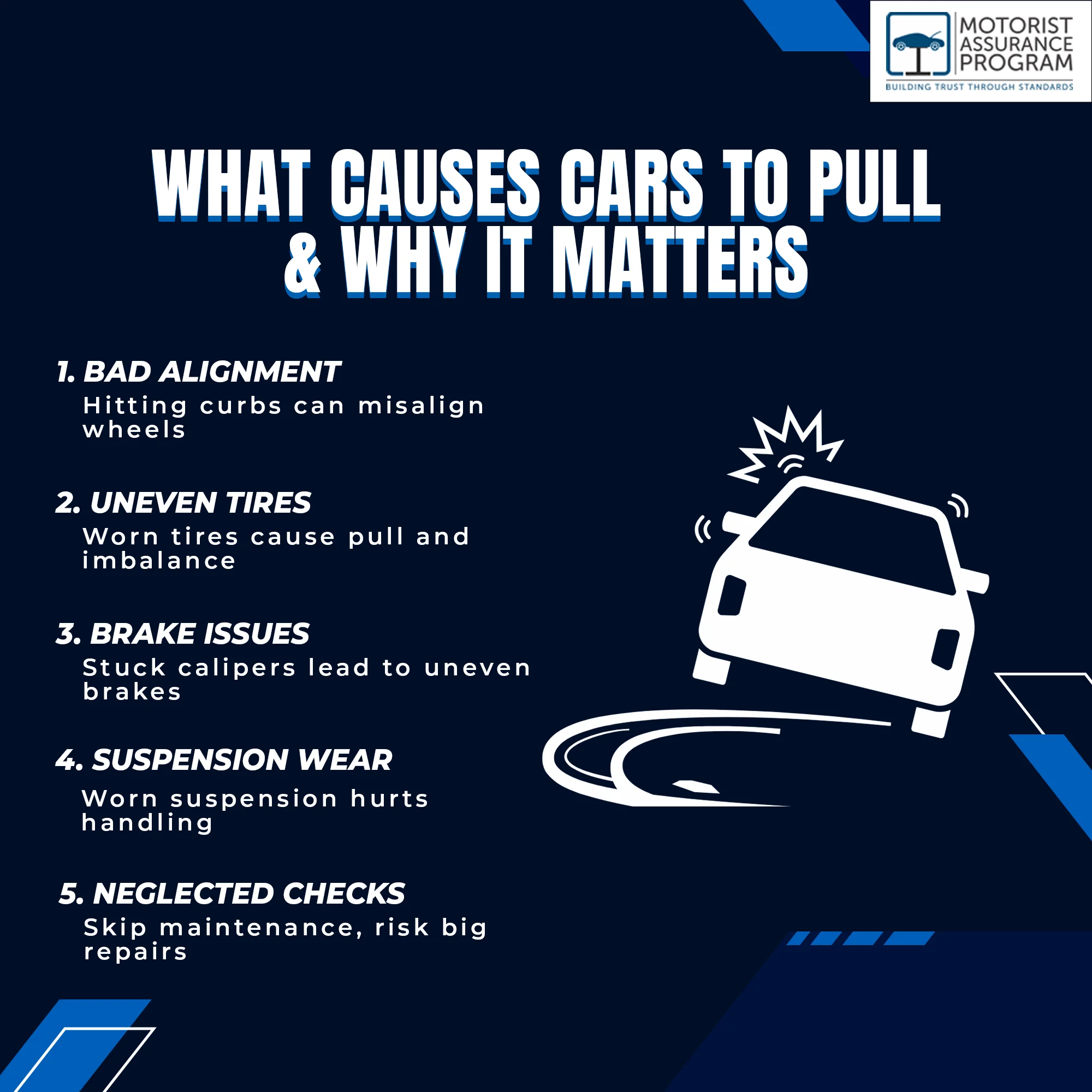
Cars pull to one side while driving for several clear reasons. Most stem from uneven forces acting on the wheels. Common causes include alignment issues, uneven tire pressure, tire wear, brake drag, and suspension problems. Small issues can give a big feel at the wheel.
Key causes to check first
- Wheel alignment problems. Misaligned wheels steer the car off center.
- Uneven tire pressure. Low pressure on one side causes pull toward that side.
- Tire wear or damage. Uneven tread or a separated tire can pull the car.
- Brake drag or a sticking caliper. One brake grabbing more than the others pulls you.
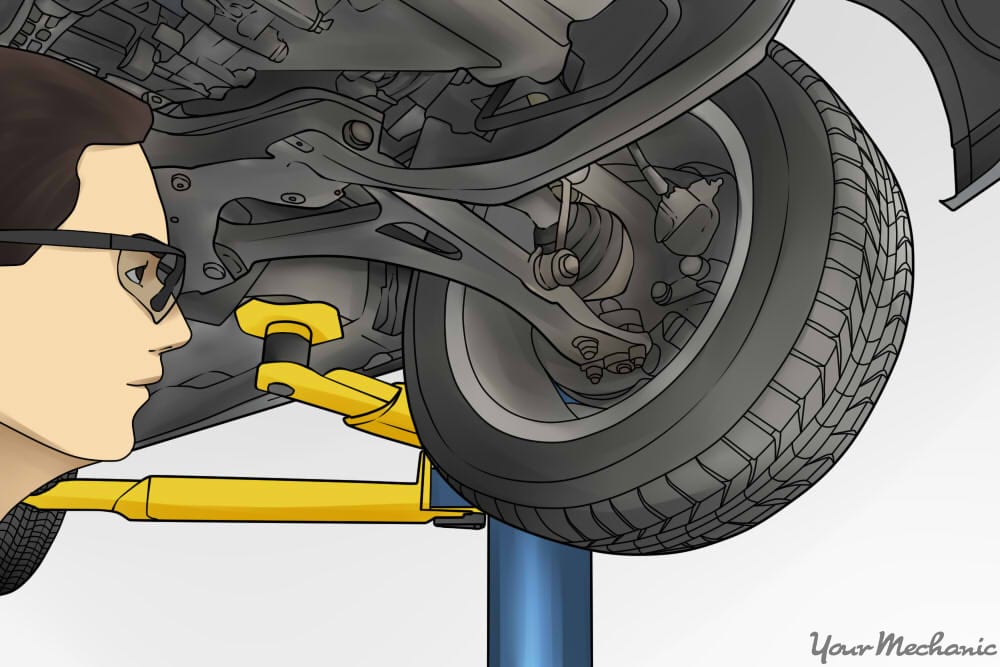
- Suspension or steering component wear. Worn ball joints, tie rods, or bushings change geometry.
- Road slope. Roads that incline can make a properly aligned car feel like it’s pulling.
If your car pulls to one side while driving, start with pressure and visual tire checks. Those are quick, cheap, and often the fix. Alignment and brake checks follow if the simple steps don’t cure it.
How to diagnose the problem step-by-step
Diagnosing why your car pulls to one side while driving is a process. Use these steps in order to save time and money. Start simple and move to more complex checks.
Step-by-step checklist
- Check tire pressure. Use a gauge and compare all four tires to the placard or manual.
- Inspect tires for uneven wear, bald spots, or visible damage. Look for feathering or cupping.
- Swap front tires left to right if safe and practical. If the pull moves, it’s a tire issue.
- Test on a flat, low-traffic road. Drive straight and note which side the car pulls.
- Brake test. With care, brake gently at low speed to see if the car pulls more when braking.
- Inspect brakes visually. Look for rusty or loose calipers and uneven pad wear.
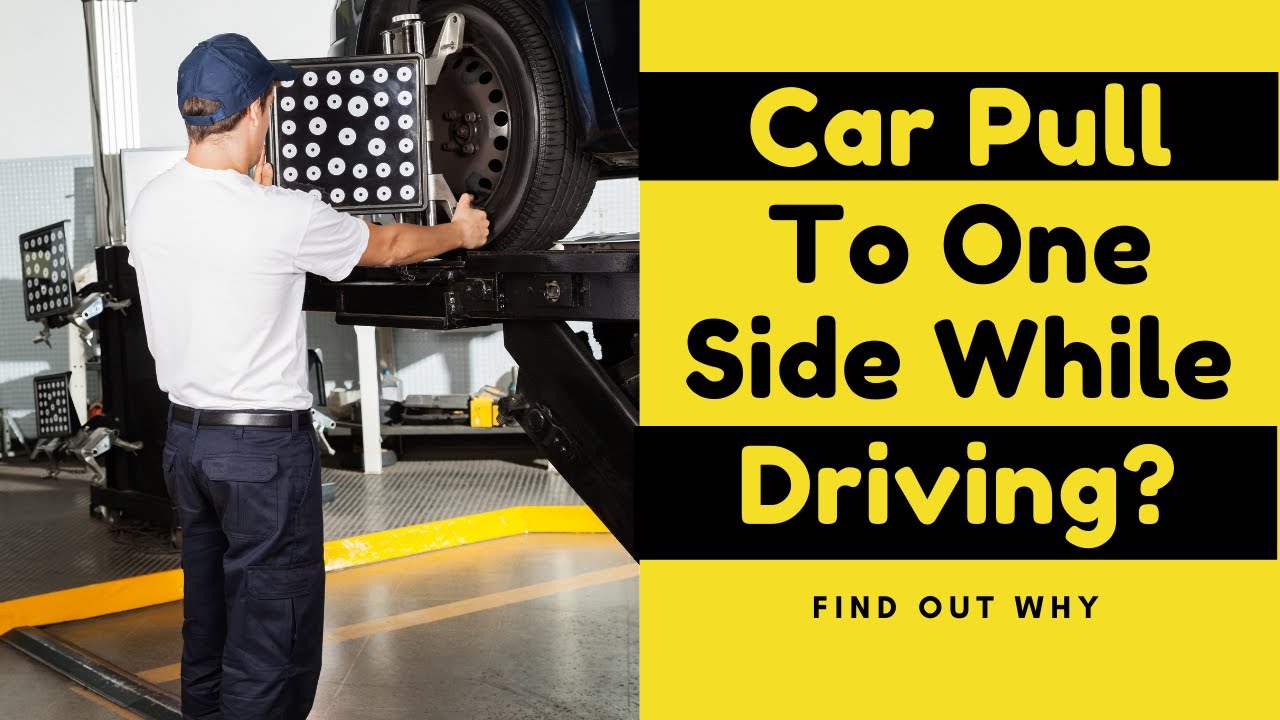
- Check alignment. Look for crooked steering wheel while driving straight or uneven steering wheel position at center.
- Inspect suspension. Look for play in tie rods, ball joints, and worn bushings.
If you feel unsure at any step, ask a trusted mechanic. Diagnosing the cause correctly saves both time and money.
Common fixes and estimated costs
Once you know why your car pulls to one side while driving, choose a fix. Costs vary by repair type, make, and region. Here are typical fixes and price ranges to expect.
Fixes and rough cost guide
- Inflate tires to spec. Cost: free at home or a few dollars at a gas station. Often fixes minor pulls.
- Replace worn tires. Cost: $100–$300 per tire depending on vehicle and tire type.
- Wheel alignment. Cost: $75–$200 for a standard alignment. Essential after new tires.
- Replace brake caliper or pads if sticking. Cost: $150–$400 per axle for pads and labor; caliper replacements cost more.
- Suspension repairs like tie rods or control arms. Cost: $150–$600 depending on parts and labor.
- Wheel bearing replacement. Cost: $150–$500 per wheel.
If your car pulls to one side while driving, start with low-cost steps and escalate. A proper alignment after tire or suspension work prevents the issue from returning.
Preventive maintenance to avoid pulling issues
Regular checks keep your car centered on the road. Preventive care stops many causes of pulling before they start.
Easy preventive steps
- Check tire pressure monthly and before long trips.
- Rotate tires every 5,000 to 7,500 miles to even wear.
- Inspect tires visually each month for cuts or tread wear.
- Get a wheel alignment after hitting a curb or pothole.
- Replace worn suspension parts before they fail.
- Keep brakes serviced and replace pads early if wear is uneven.
Simple habits stop big problems. I learned this the hard way after ignoring uneven wear and paying for two tires and an alignment. It’s cheaper to maintain than to replace.
When to see a mechanic
Some issues are safe to check at home. Others need a pro. If your car pulls to one side while driving and any of the following happen, see a mechanic.
Red flags that need a shop
- Pulling increases when braking or steering.
- Sudden new pull after hitting a pothole or curb.
- Steering wheel feels loose or vibrates heavily.
- Uneven or rapid tire wear despite rotation and pressure checks.
- You can’t identify the cause with basic checks.
Mechanics have lifts, alignment racks, and brake tools that make diagnosis fast and accurate. Getting help early avoids cascading damage and higher bills.

Parts, tools, and a DIY checklist
You can do some simple fixes yourself if you have basic tools. Here’s a list to get started and a safe DIY checklist.
Useful tools and parts
- Tire pressure gauge and portable inflator.
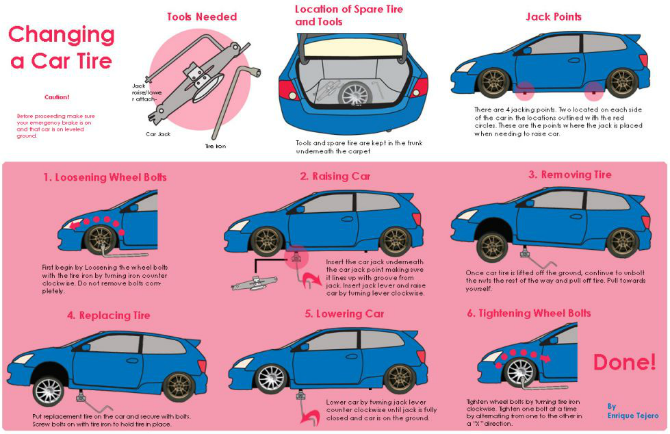
- Jack, jack stands, and wheel chock for safe lifting.
- Lug wrench and torque wrench for tight wheel fasteners.
- Replacement tires or pads as needed.
- Basic socket set and penetrating oil for stuck parts.
- Alignment tools or a trusted shop for accurate alignment.
DIY checklist
- Park on level ground and chock wheels before lifting.
- Measure and set correct tire pressure first.
- Visually inspect tires and brakes before touching.
- If swapping tires, torque lug nuts to spec after a short drive.
- Avoid alignment attempts without proper tools; leave this to pros.
I fixed a persistent pull once by inflating tires to spec and rotating them. It saved me two trips to the shop. Small skills go a long way.
Personal experience and lessons learned
I’ve seen many cars that pull to one side while driving. One common pattern stands out: owners skip tire rotation and alignment to save money, then face bigger repairs. I once drove a car that pulled badly after a winter of low pressure and potholes. A quick pressure check and alignment cured it. On another job, a stuck caliper caused a dangerous pull under braking. Replacing the caliper fixed the pull and improved fuel economy.
Lessons I share with friends
- Treat uneven tire wear as a warning sign, not a cosmetic issue.
- Don’t ignore pulling. It often gets worse and can be unsafe.
- Keep service records; they help a mechanic diagnose the cause faster.
These small changes kept my cars safer and cheaper to run over the years.
Frequently Asked Questions of car pulls to one side while driving
Why does my car pull to one side while driving after getting new tires?
New tires can reveal alignment or suspension issues that were masked by old tires. Also, if new tires are not balanced or matched, they can cause a pull until properly installed and aligned.
Can low tire pressure cause a car to pull to one side while driving?
Yes. Low pressure on one tire reduces its rolling diameter and grip, pulling the car toward that side. Always check pressure on all four tires before deeper diagnosis.
Is it safe to drive if my car pulls to one side while driving?
Mild pull may be manageable, but increasing pull or pull during braking is unsafe. Get the issue checked promptly to avoid brake or suspension failure.
Will a wheel alignment fix a car that pulls to one side while driving?
If misalignment is the cause, a wheel alignment will usually fix the pull. However, if tires, brakes, or suspension parts are faulty, those must be repaired first.
How often should I check tire pressure to prevent pulling?
Check tire pressure at least once a month and before long trips. Temperature changes can affect pressure and increase the chance your car pulls to one side while driving.
Conclusion
A car that pulls to one side while driving is a common but fixable problem. Start with simple checks: tire pressure, visual tire wear, and a short road test. Move on to brakes, alignment, and suspension if needed. Regular maintenance and timely repairs keep you safer and lower repair costs. Take action today: check your tires, schedule an alignment if you spot uneven wear, and leave a note below if you want help narrowing down the cause.