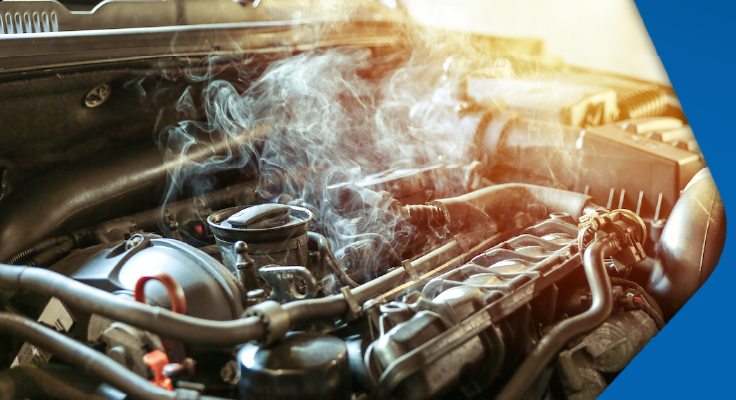
Local boiling can occur despite normal gauge readings due to pressure loss or hot spots.
I have spent years diagnosing cooling systems, and I know how baffling it is when the coolant boiling but temperature normal situation appears. This article explains why that happens, how to spot the cause, and clear steps to fix it. Read on for practical tests, real-world fixes, and ways to prevent the problem from coming back.
Causes of coolant boiling but temperature normal
Coolant boiling but temperature normal often comes from pressure issues or local hot spots. The system gauge reads average coolant temp, not tiny zones. A weak radiator cap, trapped air, or blocked flow can let pockets reach boiling point.
Common causes include:
- Low coolant level allowing steam pockets to form.
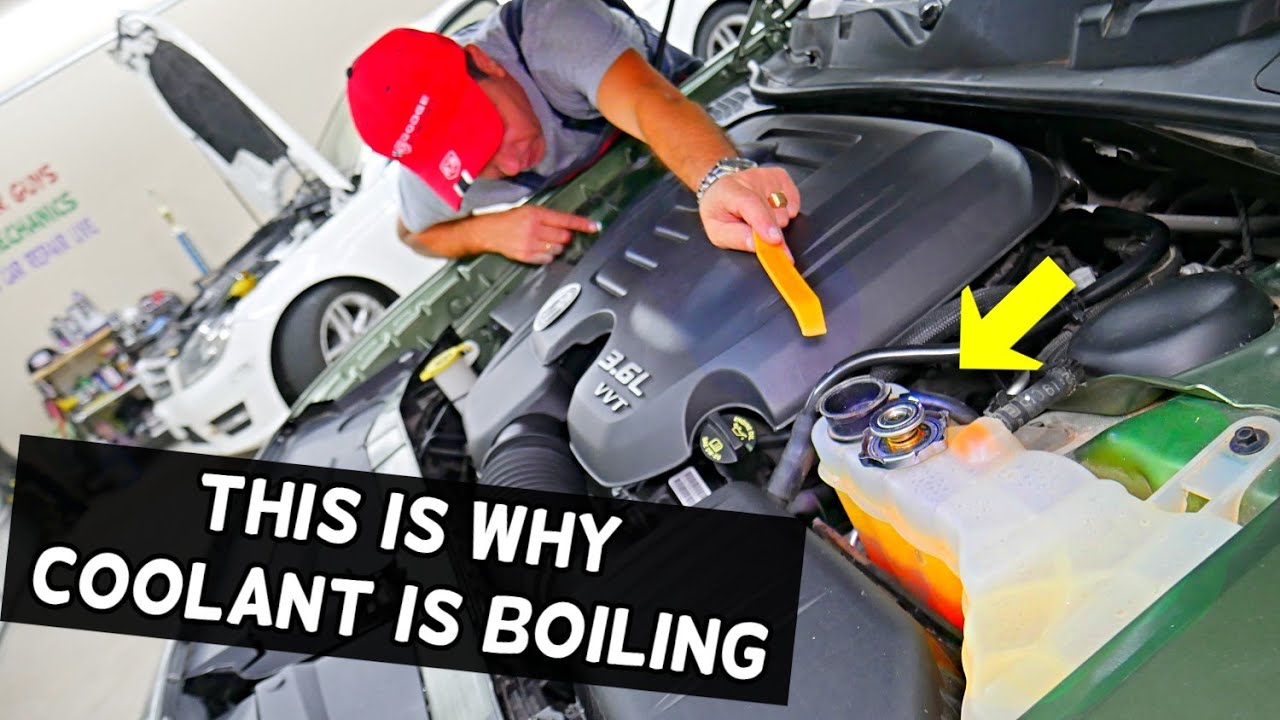
- Faulty radiator cap not holding proper pressure.
- Air trapped in the cooling system after a service or leak.
- Blocked heater core, radiator, or coolant passages restricting flow.
- Weak water pump that can’t circulate coolant fast enough.
- Local combustion gas leak from a blown head gasket creating hot spots.
- Faulty thermostat sticking open or closed and causing irregular flow.
Each cause creates conditions where small areas boil while the overall temperature sensor shows normal values. Understanding these helps you diagnose the issue fast.

Signs and risks when coolant boiling but temperature normal
You might not see a high gauge reading. Still, you may notice other signs that coolant is boiling but temperature normal. Pay attention to subtle cues before damage happens.
Watch for these signs:
- Steam or bubbles in the overflow tank when the engine is hot.
- White exhaust smoke or sweet coolant smell.
- Fluctuating heater output or heater core not getting hot.
- Small sputters or gurgling sounds from the radiator or reservoir.
- Intermittent overheating on acceleration or under load.
Left unchecked, coolant boiling but temperature normal can cause warped heads, blown head gaskets, and engine damage. Catching the signs early saves time and money.

How to diagnose coolant boiling but temperature normal
Diagnosing this issue requires simple tests and the right tools. Many checks you can do at home. Some tests need a shop or mechanic.
Step-by-step checks:
- Visual check: Inspect coolant level, cap condition, and hoses for leaks.
- Reservoir check: Look for continuous bubbles in the overflow tank with the engine idling.
- Pressure test: Pressurize the cooling system to find leaks or cap failure.
- Radiator cap test: Use a cap tester to verify it holds the correct pressure.
- Thermostat and flow: Feel upper and lower radiator hoses warm up to judge flow.
- Combustion leak test: Use a block tester to detect exhaust gases in the coolant.
- Infrared thermometer: Scan the radiator surface and engine to find hot spots.
These tests help pinpoint why coolant boiling but temperature normal happens. Simple tools often give clear answers.

Practical fixes and repairs for coolant boiling but temperature normal
Fixes vary by cause. Some you can do yourself. Others need a mechanic.
Common repairs:
- Top up coolant and bleed the system to remove air pockets.
- Replace a weak or damaged radiator cap to restore pressure.
- Flush the cooling system to clear blockages and debris.
- Replace a failing thermostat or water pump for reliable flow.
- Repair or replace a leaking head gasket if combustion gases enter coolant.
- Clean or replace a clogged heater core or radiator section.
- Use the correct coolant mix to keep the boiling point optimal.
Personal note from the field: Once, I diagnosed a car that steamed despite a normal gauge. A cracked radiator cap and a small air pocket were the culprits. Replacing the cap and doing a careful bleed stopped the boiling. I learned that small parts often cause big headaches.

Preventive maintenance to avoid coolant boiling but temperature normal
Regular care reduces the chance of this issue. Simple checks prevent surprises.
Maintenance tips:
- Check coolant level monthly and top up with the correct mix.
- Inspect the radiator cap and replace it every few years or if suspect.
- Flush the coolant system at intervals recommended by the vehicle maker.
- Replace worn hoses and clamps to prevent slow leaks and air entry.
- Get routine pressure and combustion leak checks during major services.
- Use the proper coolant concentration for your climate and engine.
A little prevention avoids the frustration of coolant boiling but temperature normal and costly repairs later.
When to seek professional help for coolant boiling but temperature normal
Some problems need a shop fast. If you see these issues, get help.
Seek professional help when:
- You detect white smoke, constant bubbles, or persistent overheating.
- There is a clear loss of coolant with no visible leak.
- A compression or head gasket test suggests a cylinder leak.
- Repairs require replacing the head gasket, flushing a clogged block, or welding.
Mechanics have pressure testers, scanners, and experience to find hidden causes of coolant boiling but temperature normal. Early professional diagnosis saves engines.

Frequently Asked Questions of coolant boiling but temperature normal
Why is my coolant boiling while the temperature gauge reads normal?
Local boiling can happen when the system loses pressure or traps air. The gauge shows average coolant temperature, not hot pockets.
Can a bad radiator cap cause coolant boiling but temperature normal?
Yes. A weak cap lowers system pressure and reduces the boiling point. This allows boiling at normal gauge readings.
Is it safe to drive if the coolant is boiling but the gauge looks normal?
No. Driving risks engine damage from hot spots or a blown head gasket. Pull over and inspect when safe.
How do I bleed air to stop coolant from boiling but temperature normal?
Run the engine with the heater on and open bleed valves or the reservoir. Let the engine reach operating temp and top off coolant as air escapes.
Will flushing the cooling system fix coolant boiling but temperature normal?
A flush helps if blockages or debris cause poor flow. But if the cause is a bad cap, water pump, or head gasket, flushing alone won't fix it.
Conclusion
Coolant boiling but temperature normal is common and fixable. It often stems from loss of pressure, air pockets, or restricted flow that create hot spots. Use simple checks like cap tests, pressure tests, and bleeding to find the issue. If you see persistent bubbles, white smoke, or coolant loss, get a pro involved to avoid major damage. Take action now: check your cap and coolant, and schedule a pressure test if you notice symptoms. Leave a comment with your experience or subscribe for more guides and troubleshooting tips.