Automatic transmission slipping signs show as delayed shifts, high RPMs, burning smell, and poor acceleration.
I have worked on cars for years and studied transmission systems closely. This article explains automatic transmission slipping signs in plain words. You will learn how to spot slipping, why it happens, how to test it safely, and what to do next. I mix clear facts with real-world tips from my shop experience so you can act fast and avoid big bills.
Recognizing automatic transmission slipping signs
Automatic transmission slipping signs often appear before major damage. Early signs let you fix things with a fluid change or filter swap. Late signs mean a rebuild or replacement. Below are the most common, clear symptoms to watch for.
- Delayed engagement when you shift into drive or reverse. The car takes a beat before moving.
- Engine revs but speed does not increase. RPM jumps without power gain.
- Harsh or erratic shifting between gears. Shifts feel clunky or too soft.
- Burning smell from the fluid. Fluid may be dark or smell burned.
- Check Engine Light or transmission warning light on the dash.
- Poor acceleration and loss of fuel efficiency. The car feels weak on hills.
- Gear slippage at steady throttle. The transmission drops to a lower gear or bounces between gears.
Watch for these signs in everyday driving. Note the pattern, speed, and when the issue happens. That helps diagnosis and saves time at the shop.

Common causes of automatic transmission slipping signs
Several things cause automatic transmission slipping signs. Some are easy fixes. Others are mechanical and costly.
- Low or old transmission fluid. Fluid loss and breakdown reduce pressure and friction.
- Worn clutch packs or bands. These parts wear with time and cause slipping.
- Faulty torque converter. A bad converter can slip under load.
- Valve body or solenoid issues. These control fluid flow and can cause erratic shifts.
- Internal leaks or worn seals. Leaks lower hydraulic pressure inside the transmission.
- Overheating. Heat degrades fluid and parts fast.
Knowing the cause narrows repairs. Start with fluid checks and codes. Then move to mechanical checks if needed.

How to diagnose slipping safely
Diagnosing automatic transmission slipping signs is a step-by-step process. You can do basic checks at home and leave technical tests to pros.
- Visual and smell check
- Park on level ground. Check the transmission fluid level and color. Fluid should be red or pink and smell clean.
- Scan for codes
- Use an OBD-II scanner to read transmission-related codes. Codes point to solenoids, sensors, or internal faults.
- Road test
- Drive in a safe area. Note when slipping happens: cold start, warm, under load, or at highway speeds.
- Stall test (simple)
- With foot on brake, shift into drive and lightly press the gas. If RPMs jump and the car lurches, slipping is likely.
- Pressure test (professional)
- A shop can test hydraulic pressure. Low pressure confirms internal wear or leaks.
Do not open the transmission yourself unless you have experience. Simple checks often catch low fluid or leaked seals early.
Repair options and cost guide
Fixes vary by cause and vehicle age. Here are common repairs and typical cost ranges. Prices vary by region and car model.
- Fluid and filter change
- What: Replace fluid and filter. Can fix minor slipping due to old fluid.
- Cost: $100 to $300.
- Solenoid or sensor replacement
- What: Replace a faulty solenoid or sensor identified by codes.
- Cost: $150 to $600.
- Torque converter replacement
- What: Replace the torque converter if it fails.
- Cost: $800 to $2,500.
- Rebuild transmission
- What: Disassemble and replace worn parts and seals.
- Cost: $1,500 to $4,000.
- Full replacement (remanufactured or new)
- What: Swap the transmission for a remanufactured or new unit.
- Cost: $2,500 to $6,000 or more.
Start with the lowest-cost, logical fixes. If fluid is burned, a flush alone may not help. Be honest about vehicle value before investing in major repairs.

Maintenance tips to prevent slipping
Good care reduces the chance of automatic transmission slipping signs. Follow these simple steps.
- Check fluid monthly. Top off with the right fluid if low.
- Change fluid and filter per your owner’s manual or sooner in heavy use.
- Avoid towing beyond your vehicle’s rating. Excess heat harms transmissions.
- Use a transmission cooler if you tow often. It helps control temperature.
- Keep engine and cooling systems healthy. Overheating affects transmission fluid life.
Small habits prevent large bills. Regular checks kept many of my customers from major repairs.
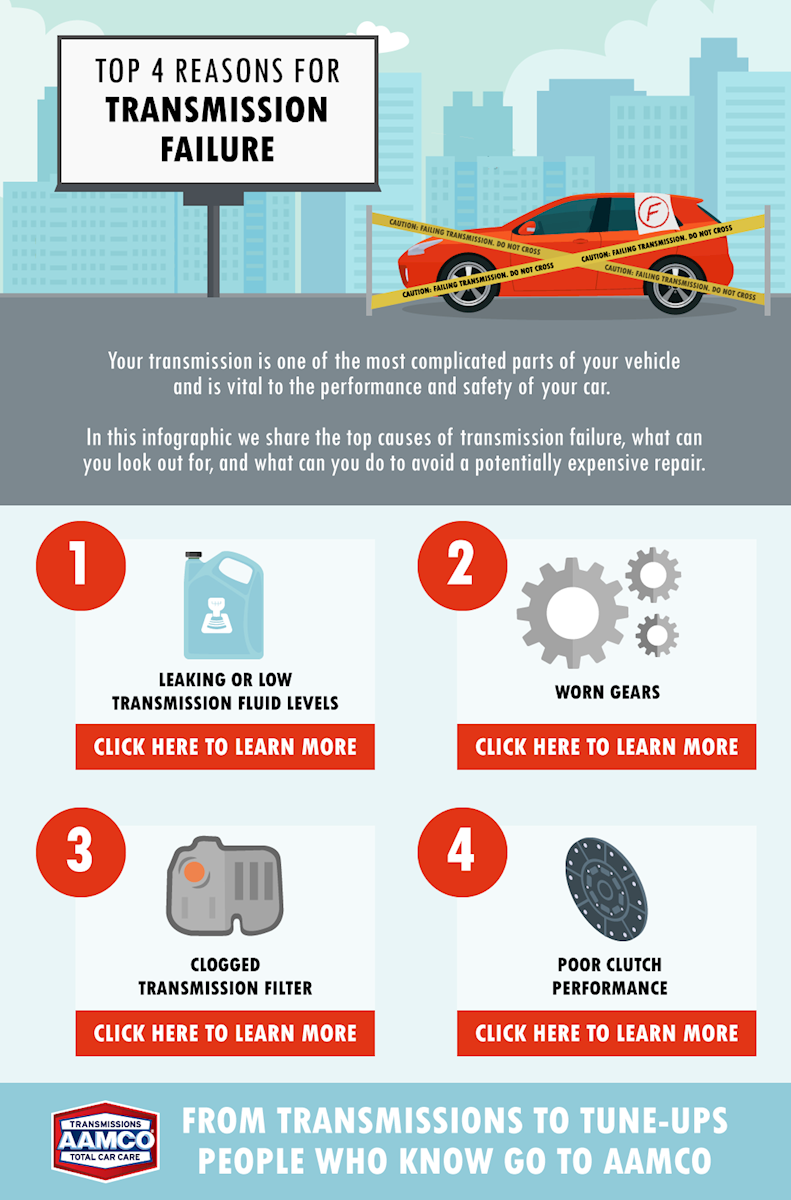
My experience troubleshooting slipping
I once worked on a midsize SUV with clear automatic transmission slipping signs. The owner had ignored a faint slip for months. I found dark, burnt fluid and low level. We changed fluid and filter first. The slip improved but came back under load. A pressure test showed worn clutch packs. The rebuild fixed it. Lesson learned: catching slipping early often saves money, but don’t delay getting a scan and fluid check.

When to see a professional
If you notice persistent automatic transmission slipping signs, get help quickly. See a pro when:
- Slipping continues after a fluid change.
- You smell burning or see fluid leaks.
- The car loses drive or makes loud noises.
- Warning lights stay on after reset.
A professional has the tools to test pressure, read codes, and inspect internal parts safely. Early diagnosis reduces repair cost and risk of total failure.
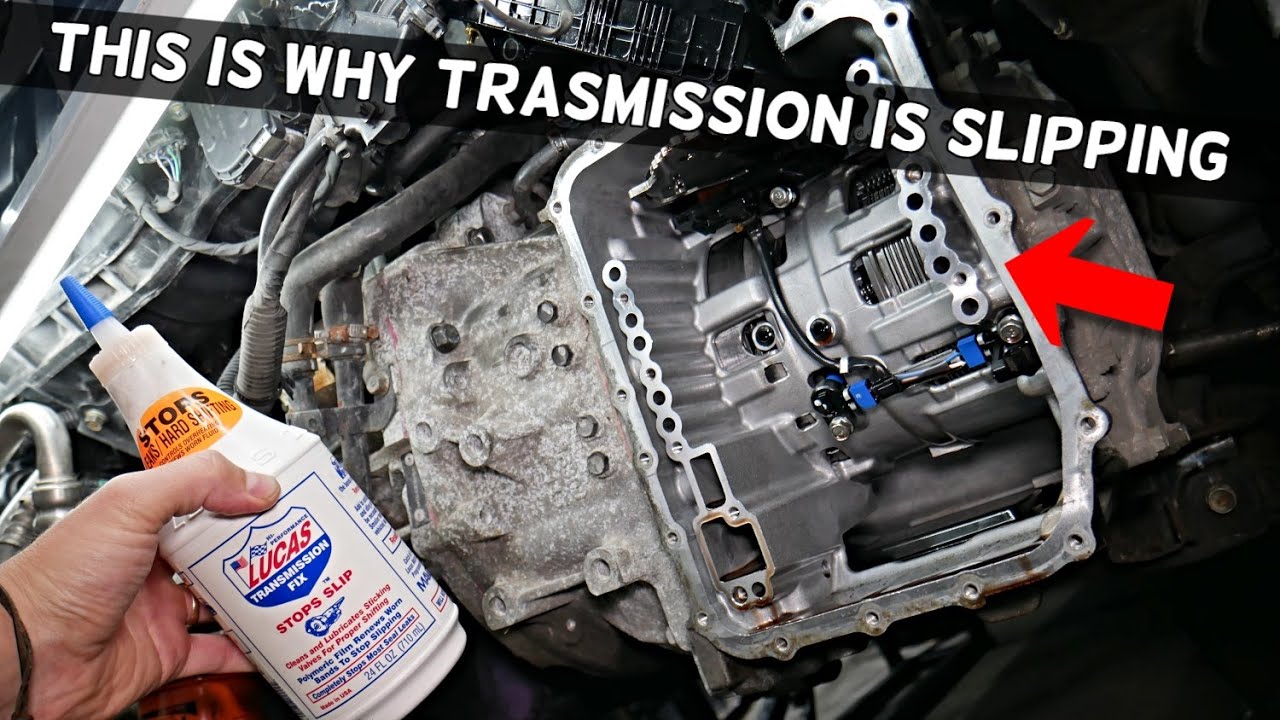
Frequently Asked Questions about automatic transmission slipping signs
What is the first sign of a slipping transmission?
The first sign is often delayed engagement when shifting into drive or reverse. You may also notice engine RPM rise without matching speed.
Can low transmission fluid cause slipping?
Yes. Low or degraded fluid reduces hydraulic pressure and friction. That often causes the early slipping symptoms.
Will changing fluid fix slipping?
Sometimes. Fluid and filter change can fix slipping caused by old or burned fluid. It will not fix severe internal wear.
Is slipping dangerous to drive with?
Driving with a slipping transmission can be risky and may worsen damage. It can leave you stranded and increase repair costs.
How long can I drive with a slipping transmission?
You can drive only short distances for testing, but long trips risk total failure. Get a professional diagnosis as soon as possible.
Conclusion
Automatic transmission slipping signs are clear warnings. Watch for delayed engagement, high RPMs, burning odor, and erratic shifts. Start with fluid and code checks, then move to pressure tests and mechanical repairs if needed. Catching the issue early saves money and stress. Take action now: check your fluid, run a quick scan, or book a shop visit. Share your experience below or subscribe for more car care tips.