A worn clutch, engine mounts, or syncro issues often make a car jerk when shifting from 1st to 2nd.
I’ve spent years diagnosing drivability problems, and I’ll walk you through why your car jerks when shifting from 1st to 2nd, how to diagnose it, and practical fixes you can try. This guide blends hands-on tips, simple tests, and clear repair options so you can act with confidence if your car jerks when shifting from 1st to 2nd.

Common causes of jerking between 1st and 2nd
Cars can jerk during shifts for many reasons. Low clutch fluid or a slipping clutch often shows up first. Faulty engine or transmission mounts let the drivetrain move and feel like a jerk. A worn synchro or sticky shift linkage can make the gear engagement abrupt.
- Clutch wear or slipping reduces smooth power transfer and can make the car jerk when shifting from 1st to 2nd.
- Low or contaminated transmission fluid causes poor shift feel and harsh engagement.
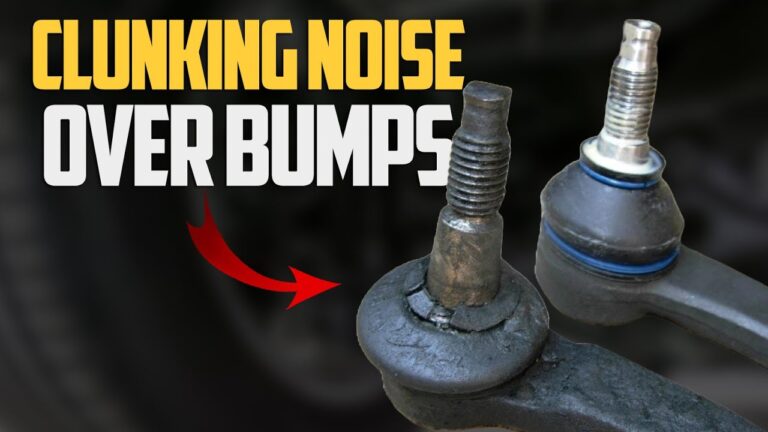
- Bad engine or transmission mounts let torque move the engine and cause jolts during gear changes.
- Worn synchros or damaged shift linkage make gears grind or engage harshly, and the car jerks when shifting from 1st to 2nd.
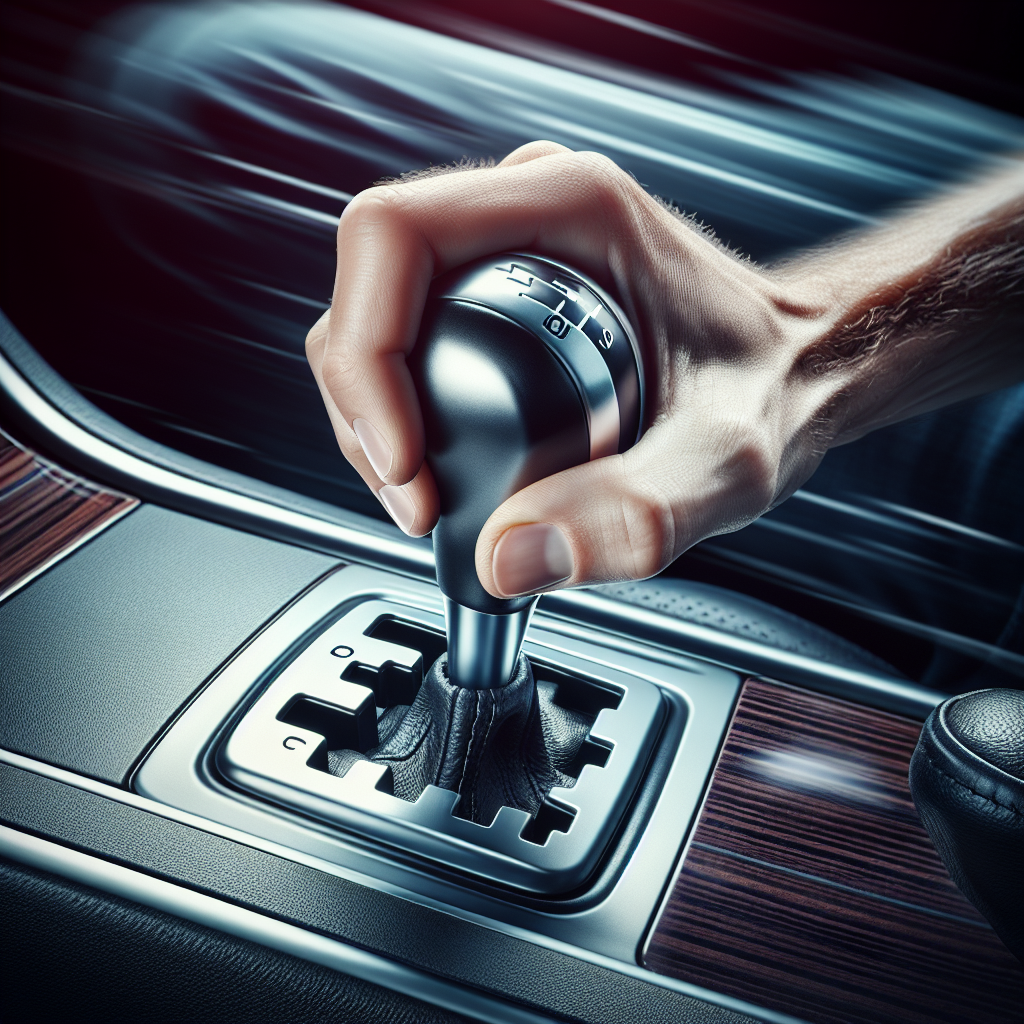
How it feels: symptoms to watch for
Noticing patterns helps find the root cause. A jerk only when shifting into 2nd points to clutch or syncro issues. If the jerk comes with a slipping smell or rising RPM, think clutch. If you feel or hear clunking at the same time, mounts are more likely.
- Jerks with rising RPM suggest clutch slipping.
- Grinding noise plus a jerk suggests syncro or transmission wear.
- A clunking noise with a jolt points to mounts or loose drivetrain parts.
- Repeating jerks only at low speeds often mean clutch engagement or syncro trouble, not engine misfire.

Simple diagnostics you can do at home
Start with quick checks before you shop for parts or pay a mechanic. These tests are safe and simple.
- Visual check and fluid
- Check clutch fluid or hydraulic lines for leaks.
- Check transmission fluid level and color if accessible.
- Mount and linkage inspection
- Look for torn engine or transmission mounts.
- Check shift linkage for loose or worn bushings.
- Drive tests
- In a safe area, try shifting smoothly and note RPM and engine sound.
- Try slipping the clutch lightly to see if engagement is smooth.
If the car jerks when shifting from 1st to 2nd during these simple tests, record what you saw and heard. That info helps your mechanic and can speed repairs.
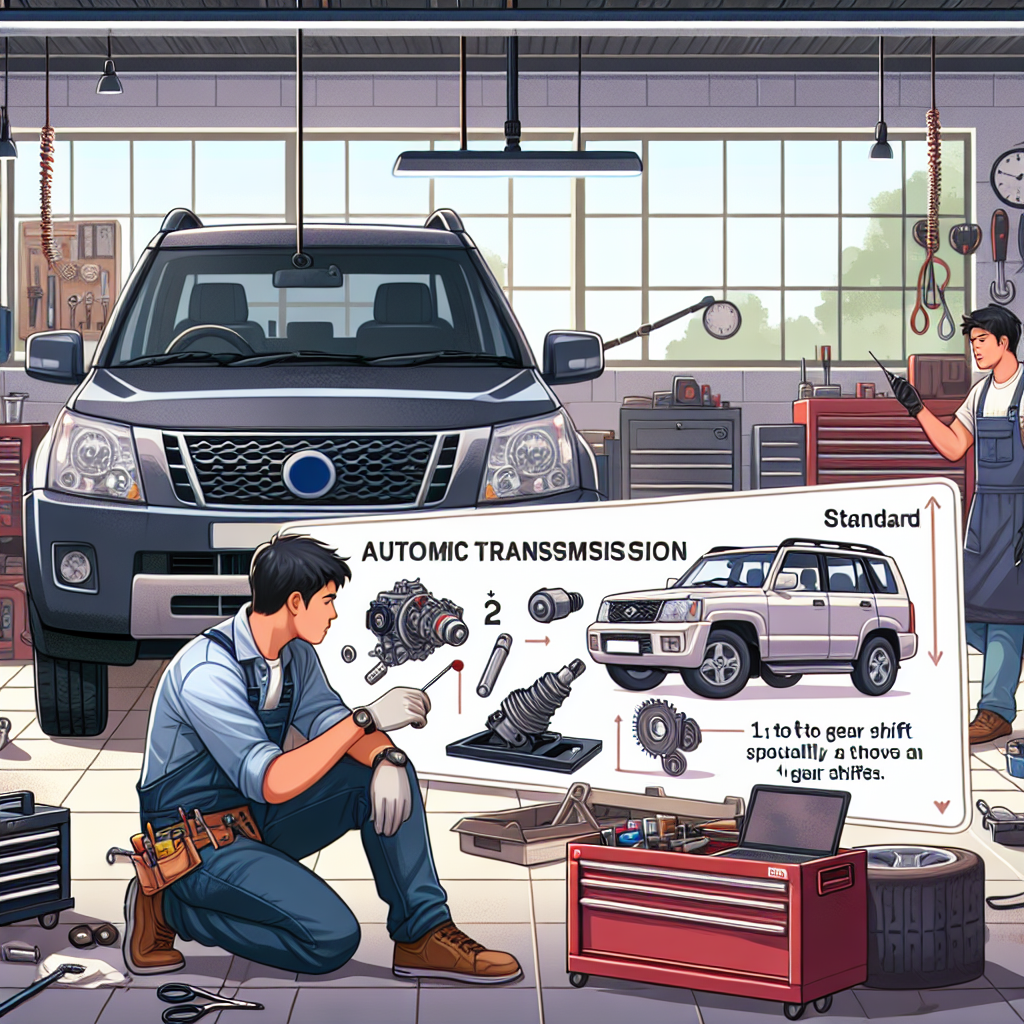
DIY fixes and professional repairs
Small fixes are often cheap, while major repairs cost more. Start with the low-cost items and move up.
- Replace clutch fluid or bleed hydraulic clutch. This often improves engagement and can stop jerking.
- Replace worn mount(s). Mounts are affordable and fixing them removes drivetrain movement that causes jerks.
- Adjust or replace shift linkage bushings if they are loose or sloppy.
- Replace clutch or repair the transmission if slipping or bad synchros are diagnosed. Clutch jobs are moderate cost and may be needed for older cars.
If the car jerks when shifting from 1st to 2nd after these DIY steps, you likely need a clutch or transmission shop. Get an estimate and ask for a test drive with the mechanic to confirm the fix.

Preventive maintenance to avoid future jerks
Regular maintenance keeps shifts smooth and prevents sudden problems. A few habits protect your drivetrain.
- Keep clutch and transmission fluids fresh and at proper levels.
- Inspect mounts during oil changes or every 30,000 miles.
- Avoid riding the clutch and shift at appropriate RPMs to reduce wear.
- Address small syncro or shift feel issues early before they worsen.
If you treat early signs, you can reduce the chance your car jerks when shifting from 1st to 2nd down the road.
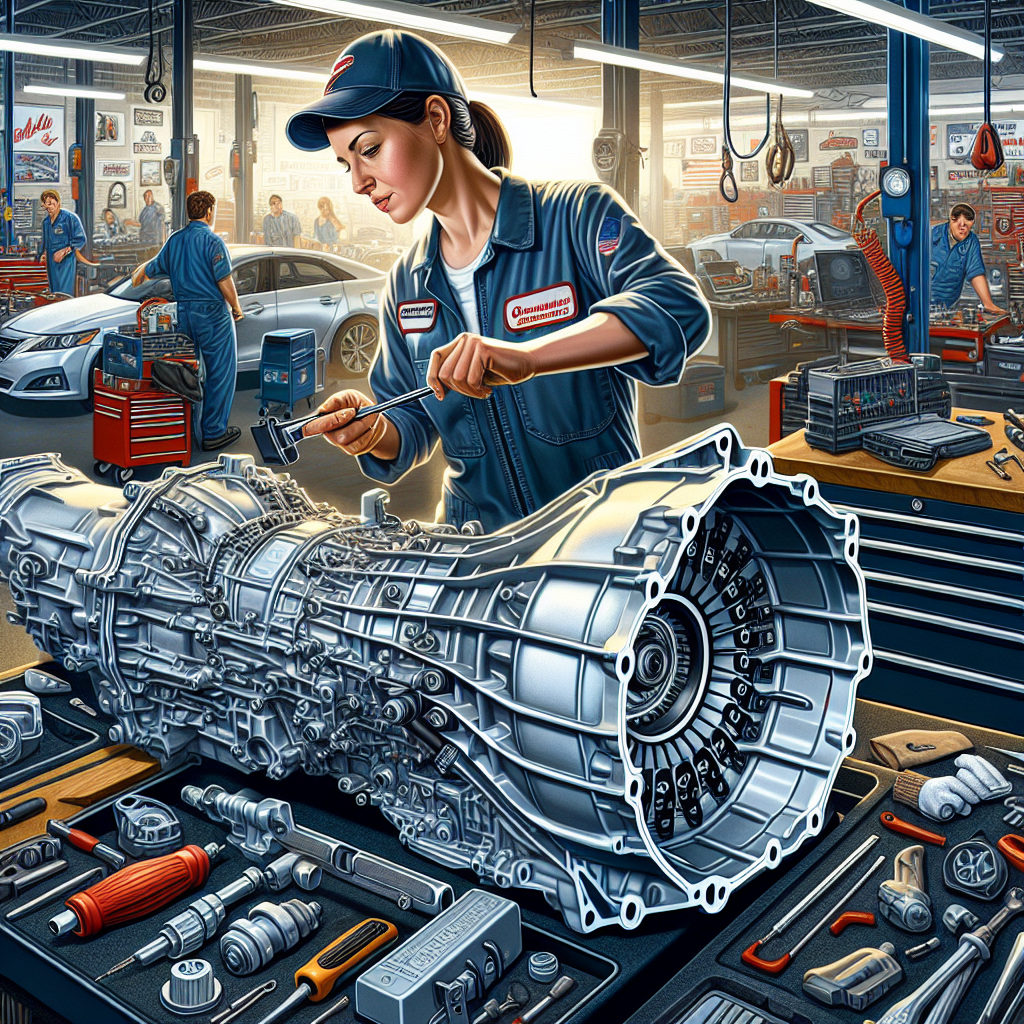
My real-world experience: what I learned
I once diagnosed a jerking manual car that owners had blamed on the ECU. Simple checks showed a torn engine mount and low clutch fluid. Replacing the mount and bleeding the clutch fixed the jerking instantly and saved the owner from an expensive clutch job. The lesson: start basic and test before replacing major parts. If your car jerks when shifting from 1st to 2nd, small fixes often solve big-feeling problems.
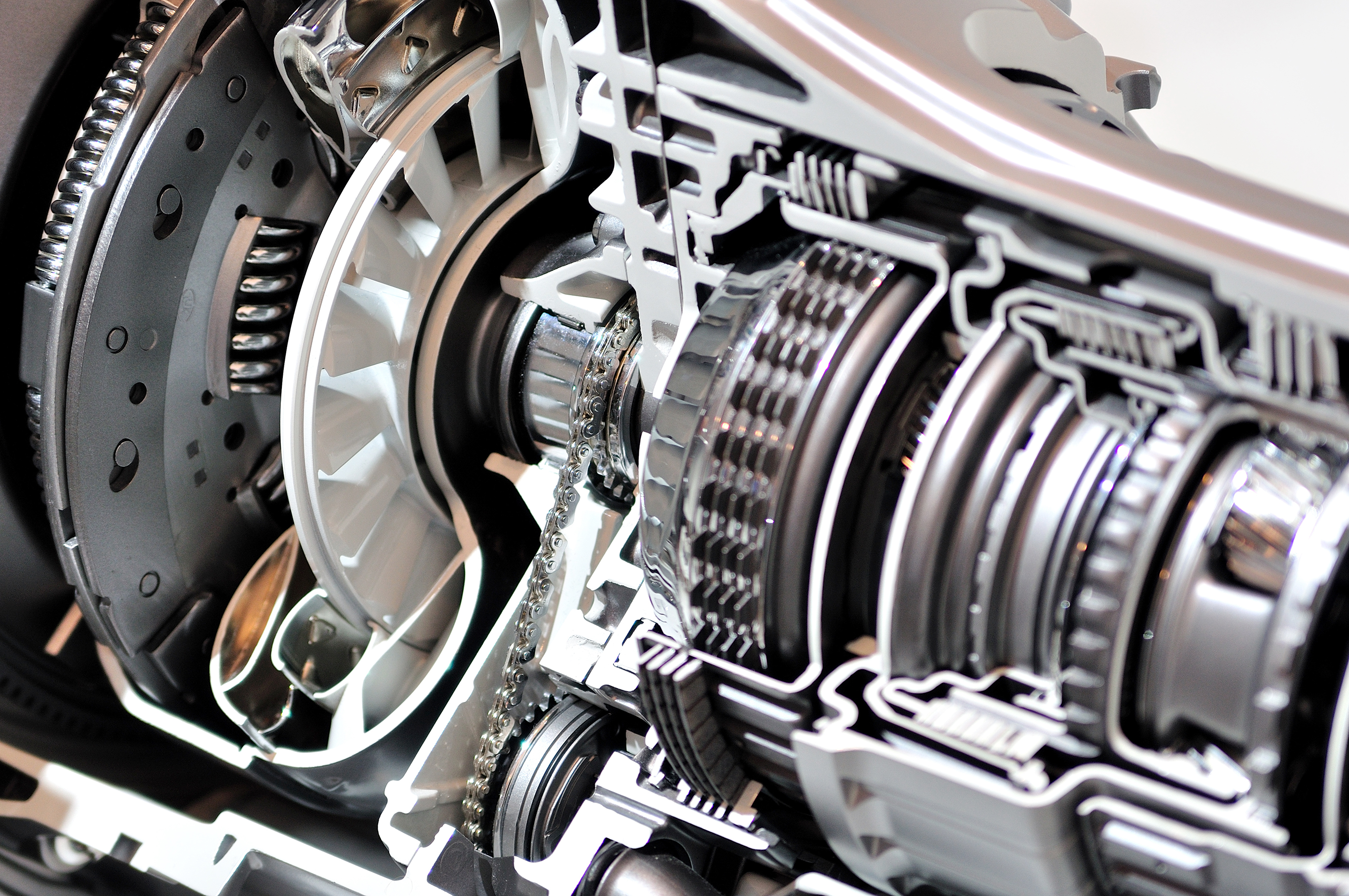
Frequently Asked Questions of car jerks when shifting from 1st to 2nd
Why does my car jerk only from 1st to 2nd gear?
This often points to clutch engagement or a worn synchro for second gear. Check clutch fluid, mounts, and shift linkage for obvious issues.
Can low transmission fluid cause jerking between 1st and 2nd?
Yes. Low or dirty transmission fluid can cause harsh shifts and jerking. Top-up or replace the fluid and check for leaks.
Is a slipping clutch the reason my car jerks when shifting from 1st to 2nd?
A slipping clutch can cause jerks, especially if RPM rises without smooth acceleration. A slipping smell or poor engage feel confirms clutch wear.
How expensive is it to fix jerking when shifting from 1st to 2nd?
Costs vary. Bleeding clutch fluid or replacing mounts is low to moderate. Clutch or transmission rebuilds are more costly. Get a diagnosis first.
Should I drive the car if it jerks when shifting from 1st to 2nd?
Short trips are usually fine, but avoid heavy traffic or long drives until you diagnose it. Driving with a failing clutch or mount can cause further damage.
Can engine mounts cause jerking only during the 1st-to-2nd shift?
Yes. Mounts let the engine move under torque. The sudden change from 1st to 2nd often shows the movement as a noticeable jerk.
Conclusion
You now know the most likely reasons your car jerks when shifting from 1st to 2nd and the simple checks that narrow the cause. Start with fluids, mounts, and linkage, then move to clutch or transmission work if needed. Take action early to save money and avoid a bigger repair.
Try the quick checks today, note what you find, and share your results with a trusted mechanic or in the comments below to get help.