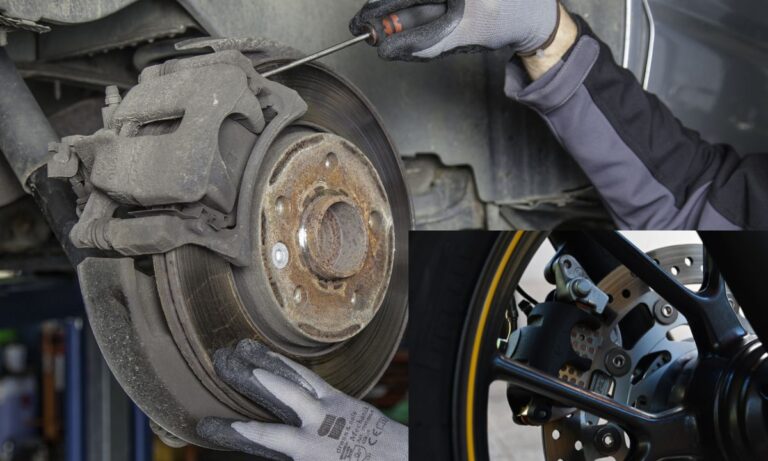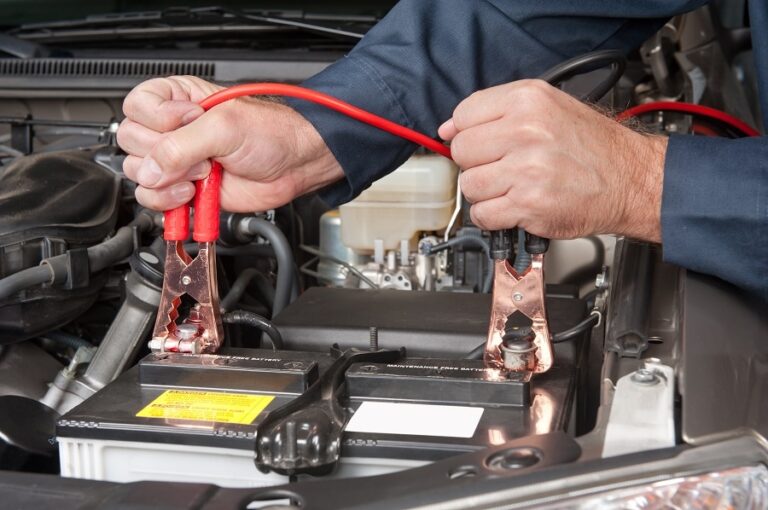
If the ABS light is on but brakes feel normal, your base brakes still work but ABS may be disabled.
I have worked on many cars and helped drivers decode warning lights. This guide explains why the ABS light on but brakes working happens, how to diagnose it, what risks to expect, and practical fixes you can try or discuss with a mechanic. You will get clear steps, real-life tips from my experience, and confident guidance so you can handle the issue safely and smartly.
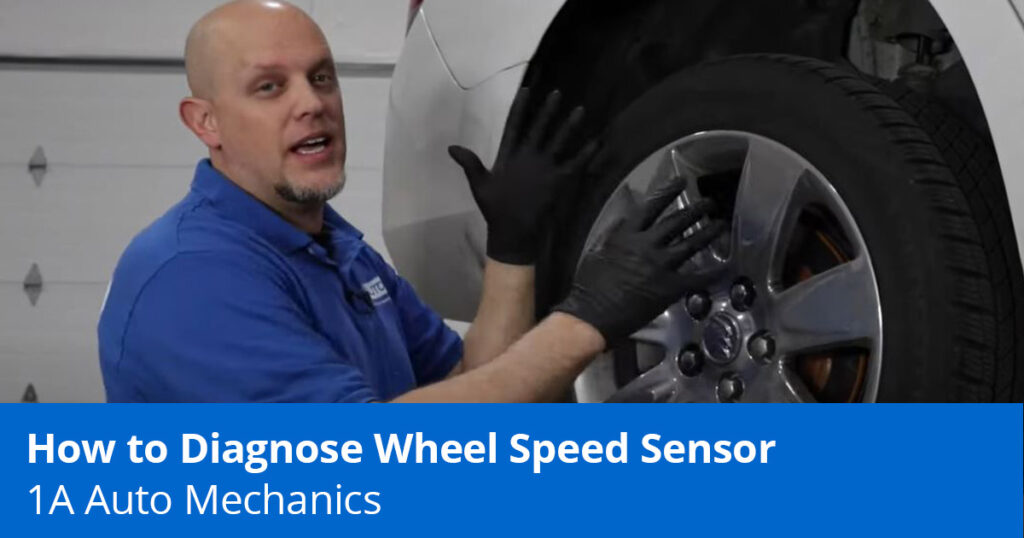
What the ABS light means and why it can stay on while brakes work
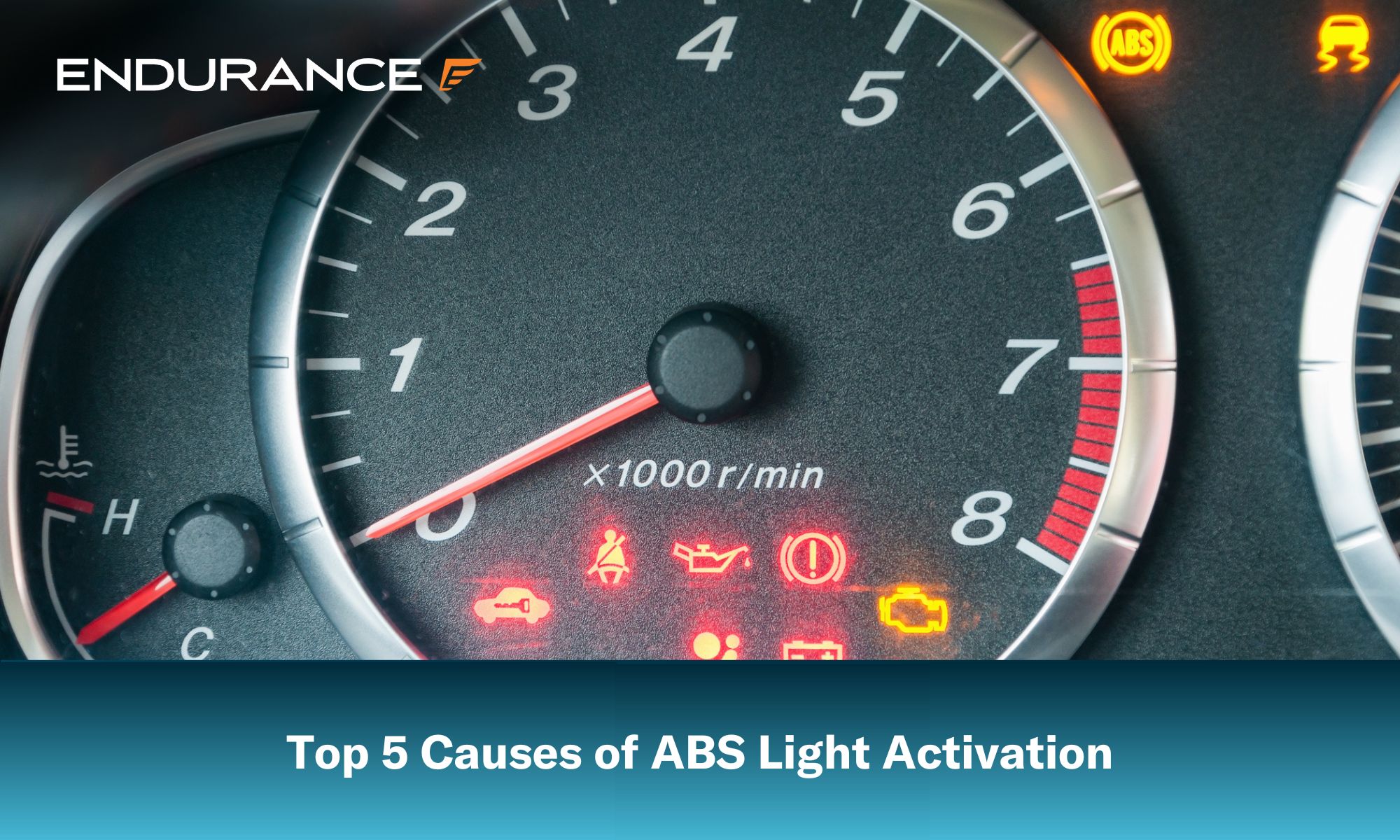
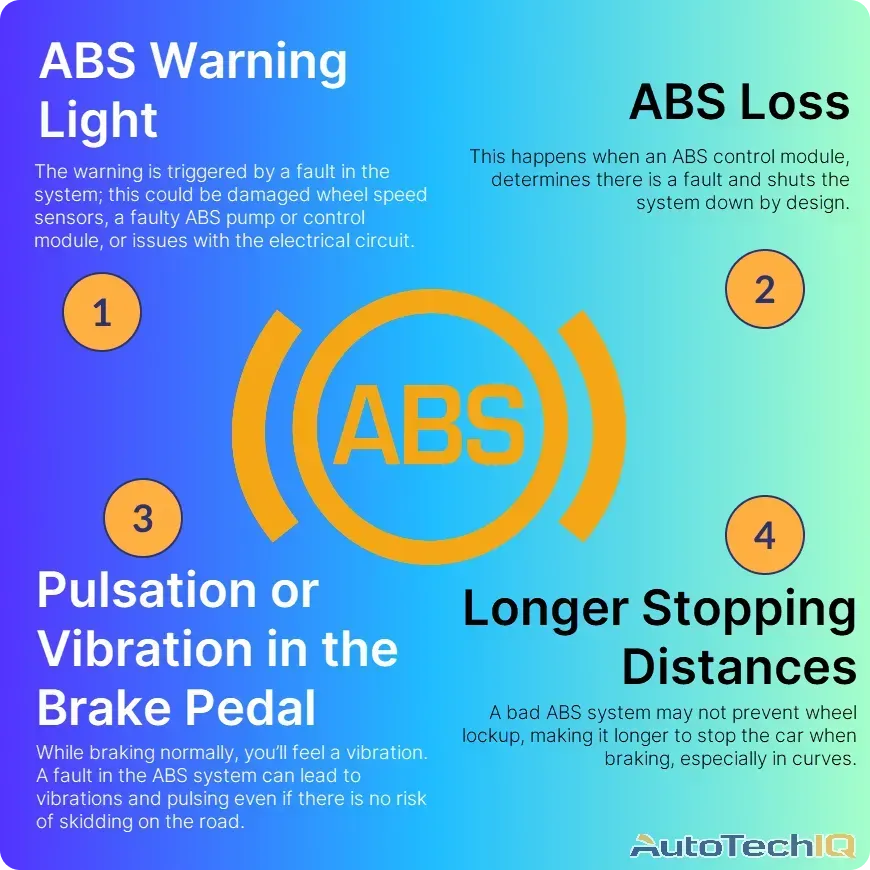
The ABS light warns about the anti lock braking system. The ABS system helps prevent wheel lock in a skid. The standard brakes use hydraulic pressure to stop. So if the ABS light on but brakes working, the main brakes still work, but the safety feature may be off. You still have normal stopping power. You may lose traction control and anti lock help in an emergency.

Common causes of ABS light on but brakes working
Many simple and a few complex issues can cause the ABS light on but brakes working. Here are the most common:
- Faulty wheel speed sensor. A dirty or broken sensor can send bad data.
- Damaged sensor wiring. Chafed wires or loose plugs cause intermittent faults.
- Low or dirty brake fluid. Can affect sensors and system checks.
- Failed ABS module or pump. These parts can fail electrically.
- Blown ABS fuse or relay. A simple electrical fault can light the lamp.
- Bad wheel bearing. It can change wheel speed readings.
- Recent battery disconnect or service. The system may need a reset.

How the ABS system works in plain terms
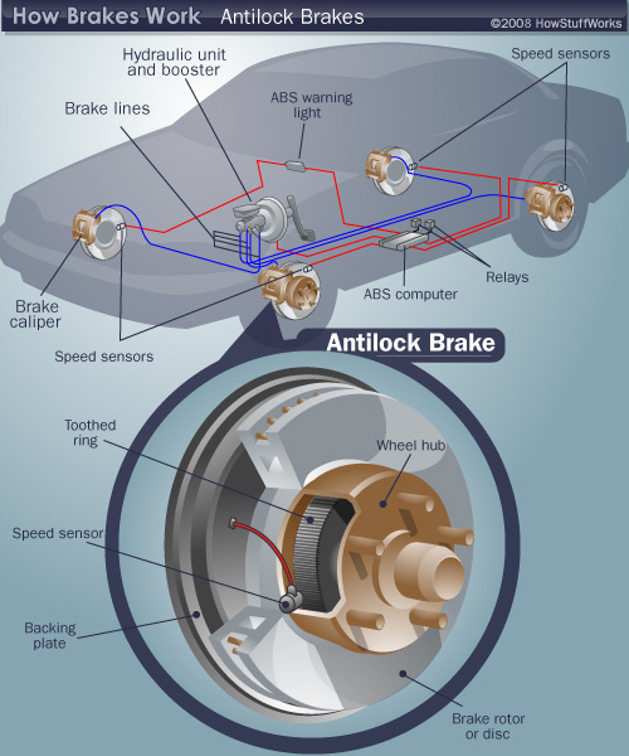
Think of ABS as a helper that taps the brakes fast to stop wheel lock. Sensors at each wheel measure rotation. The ABS module reads sensor data. If it detects a lock, it pulses brake pressure to keep traction. If the module gets no clear data or sees an internal fault, it turns on the ABS light and disables the system. The hydraulic brakes still work because they are a separate circuit.
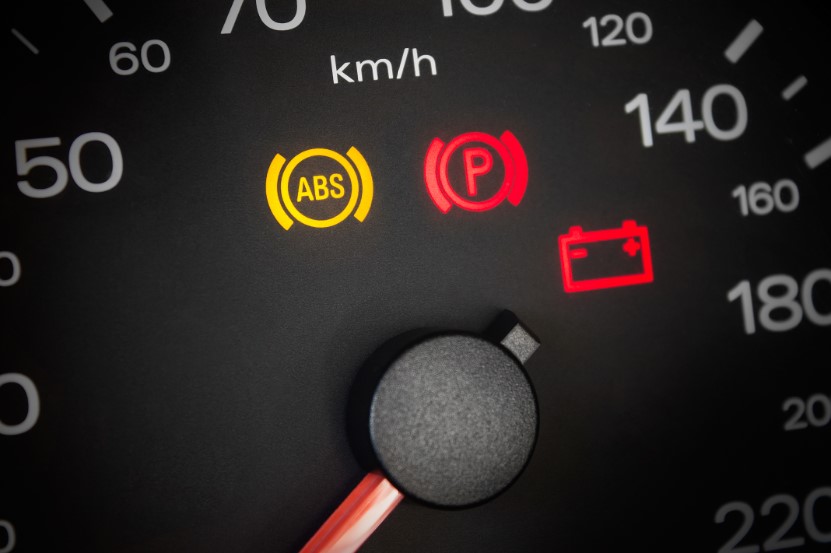
How to diagnose when the ABS light on but brakes working
Follow these steps. Keep each step simple and safe.
- Check the basics
- Look at the brake fluid level and top to the recommended mark.
- Inspect the ABS fuse and related relays in the fuse box.
- Scan for codes
- Use an OBD2 scanner that can read ABS codes.
- Note any wheel sensor codes or module faults.
- Visual wheel check
- Inspect each wheel sensor and wiring for dirt, cracks, or loose connectors.
- Check wheel bearings for play or noise.
- Test sensors
- Use a multimeter to check sensor continuity if you can.
- Or swap sensor connectors front to back if codes allow.
- Professional check
- If codes point to the ABS module or pump, see a qualified shop.
- Module repairs often need a specialist and programming.

Safety and driving advice when ABS light on but brakes working
You can drive short distances safely, but take care.
- Drive slower in wet or icy conditions where ABS helps.
- Allow more stopping distance than usual.
- Avoid hard braking on slippery surfaces.
- Consider towing or professional service if the ABS light flashes or the brakes behave oddly.

Typical repair costs and timeframes
Costs vary by cause. Here is a general range.
- Fuse or relay replacement: low cost, 15 to 30 minutes.
- Wheel speed sensor cleaning or replacement: moderate cost, 30 minutes to 2 hours.
- Wiring repair: moderate, depends on access and damage.
- ABS module or pump replacement: higher cost, 2 to 6 hours and possible programming.
- Shop diagnostics: small fee to read codes, usually rolled into repair if done there.
My experience: a real case and lessons learned
I had a customer with the ABS light on but brakes working after a winter drive. A sensor was coated in road salt. Cleaning and replacing a corroded connector fixed it the same day. Lessons I learned:
- Always check wheel sensors early. They fail often from dirt.
- A simple fuse or connector check can save time and money.
- If your vehicle had a battery change, the ABS may need a code reset.
- Keep records of scans. They help mechanics diagnose faster.
Preventive maintenance to avoid the ABS light coming on
Routine care helps prevent surprises.
- Inspect brakes and sensors during tire rotations.
- Keep brake fluid fresh and at the right level.
- Clean sensors if you drive on salted roads.
- Replace worn bearings early.
- Use a scan tool yearly for peace of mind.
When to see a mechanic right away
Get professional help if you see any of these:
- The ABS light flashes while driving.
- A brake warning light or loss of brake feel appears.
- Pulsing brake pedal at low speeds when not braking hard.
- Multiple fault codes point to the ABS module.
- You lack confidence in stopping performance.
Frequently Asked Questions of ABS light on but brakes working
Why is the ABS light on but brakes still stop the car?
The ABS light can indicate a fault in the anti lock system only. The main hydraulic brakes operate separately, so normal stopping can remain intact.
Will my car still stop safely if the ABS light is on but brakes work?
For normal driving, yes, brakes will stop the car. You will lose ABS benefits during hard braking or on slippery surfaces, so drive more cautiously.
Can I reset the ABS light myself?
Sometimes resetting works after fixes or battery disconnect. Use a scanner or disconnect the battery for a few minutes, but be aware that codes may return if the issue remains.
Is it safe to drive to a repair shop with the ABS light on but brakes working?
Yes for short trips in dry conditions. Avoid long drives or poor weather. Increase following distance and avoid sudden braking.
How much does it cost to fix the ABS light issue?
Costs vary widely. Simple fixes may be inexpensive, while module replacement and programming can be costly. Expect a range from low tens to several hundred dollars depending on the cause.
Conclusion
An ABS light on but brakes working usually means the anti lock system has a fault while the main brakes still function. Check simple items first, like fuses, fluid, and wheel sensors. Use a scanner to read codes or visit a trusted mechanic when needed. Take extra care on wet or icy roads until the ABS is fixed. Act now to avoid bigger repairs later, and leave a comment or subscribe for more car care tips.