A worn CV joint or loose wheel bearing usually causes a clicking noise when turning.
I have inspected dozens of cars with that exact symptom, and I’ll walk you through what causes a car clicking noise when turning, how to diagnose it, and what to do next. I blend workshop-tested tips and plain talk to help you spot the issue fast, avoid costly mistakes, and decide when to DIY or see a pro. Read on for clear steps, real examples from my garage work, and practical repair and prevention advice.
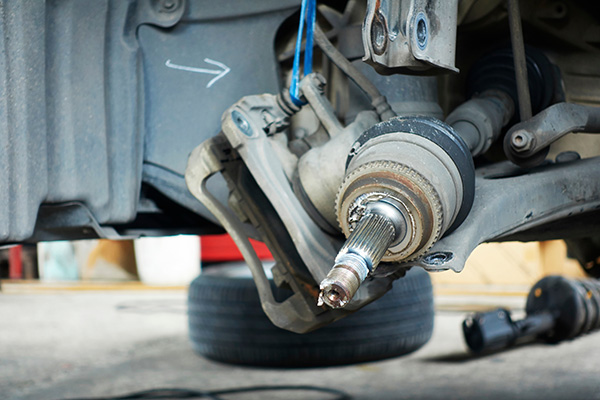
Common causes of car clicking noise when turning
A car clicking noise when turning often points to worn parts near the wheel. Many causes are simple to see. Others need a shop lift and tools.
- CV joint failure
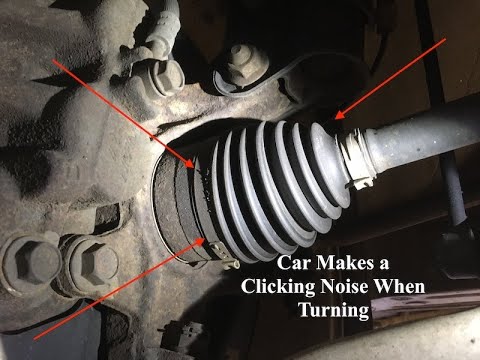
- Outer CV joints click on turns. Torn boots let grease escape and grit in. This is the most common cause.
- Wheel bearing wear
- A bad bearing can click or hum when turning. It often gets worse with speed.
- Loose or damaged axle nut or hub
- Loose hardware lets parts move and click. Torque errors after a tire change can cause it.
- Suspension and steering link wear
- Tie rod ends, control arm bushings, and ball joints can click when stressed.
- Brake hardware and debris
- A loose pad or backing plate can click. Small stones get stuck sometimes.
- Steering rack or intermediate shaft
- Worn joints in the column can make noise on slow turns.
From my experience, outer CV joints and wheel bearings are the top two culprits. I once fixed a client’s clicking sound by replacing a torn CV boot and repacking the joint. The noise stopped immediately.
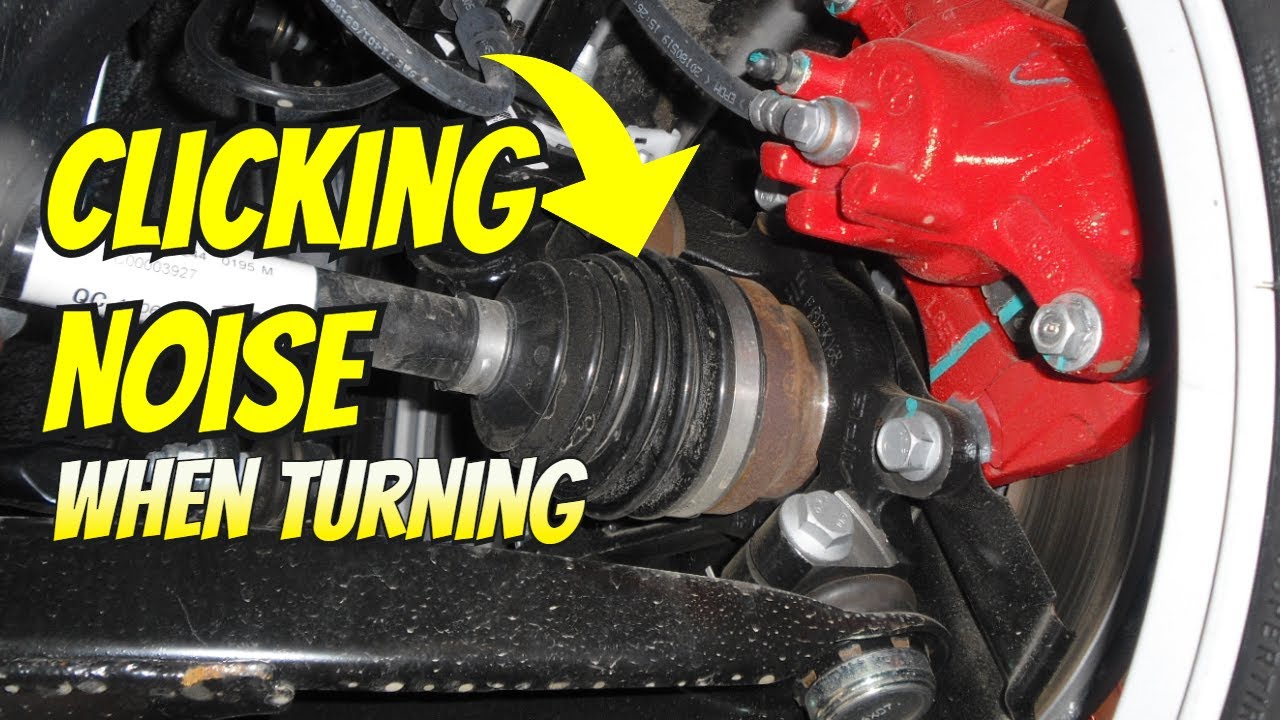
How to diagnose a car clicking noise when turning
Start with simple tests before you jack the car up. Use your ears and a few checks to narrow down the parts.
- Recreate the sound
- Drive in a quiet area. Turn left and right slowly and listen. Note if noise is only on one side.
- Visual inspection
- Check CV boots for tears and grease splatter. Look for loose parts and missing clips.
- Load test
- Have a helper turn the wheel while the car sits. Listen near each wheel.
- Jack the car safely
- Support with stands. Spin the wheel by hand and feel for roughness or play.
- Wiggle tests
- Grab the tire at 12 and 6 o’clock, then 3 and 9. Excess play can indicate bearing issues.
- Road speed test
- Note if noise changes with speed. Bearings often change tone with speed; CV joints usually click with steering angle.
When I diagnose, I follow this order: listen, look, test with weight, then remove the wheel if needed. This method saved one client an unnecessary hub replacement.

DIY fixes and temporary solutions for a car clicking noise when turning
Some fixes are simple and cheap. Others need parts and experience. Always follow safety rules.
- Replace a torn CV boot and pack the joint
- If the boot is torn but the joint is still OK, a kit can restore life. Clean, grease, and clamp the new boot.
- Tighten loose wheel nuts and axle nuts
- Check lug torque and axle nut torque. Loose hardware can cause clicking.
- Clean brake hardware
- Remove debris and secure clips. Replace worn clips and anti-rattle springs.
- Replace worn tie rod ends or sway links
- These are common and affordable. Follow alignment after replacement.
- Temporary lubrication
- Spraying silicone or penetrating oil at pivot points can quiet minor noises briefly while you plan repairs.
I once quieted a clicking noise temporarily by repacking a CV joint and replacing the boot. It bought the owner two months before a full replacement. That is a stopgap, not always a cure.
When to seek professional help
Some signs mean you should stop driving and get help. Safety comes first.
- Grinding or metal-on-metal sounds
- That can mean severe bearing or joint failure.
- Excessive play or steering wobble
- This affects control and is dangerous at speed.
- Smoke, burning smell, or visible fluid leaks
- These indicate urgent failure or damaged seals.
- Noise that gets quickly worse
- Rapid worsening needs fast action to avoid bigger damage.
In one case, a client ignored clicking until the axle separated. Don’t wait if steering feels loose or the noise worsens.

Preventive maintenance to avoid a car clicking noise when turning
Regular checks cut risk and cost. Small inspections pay off.
- Inspect CV boots every oil change
- Look for cracks or grease leaks. Early repair saves a joint.
- Keep suspension parts lubricated
- Grease fittings extend life. Replace dry bushings early.
- Torque wheels properly after service
- Use a torque wrench. Improper torque leads to hub issues.
- Replace worn parts promptly
- Address tie rods and ball joints before they fail.
- Schedule regular wheel alignments
- Proper angles reduce extra stress on joints and bearings.
I teach car owners to glance at boots and listen for clicks at slow speeds. Catching wear early often halves repair costs.

Typical repair costs and timeframes
Costs vary by part and labor rates. These are ballpark figures to guide planning.
- CV axle or joint replacement
- Cost: $200 to $800 per axle. Time: 1–3 hours.
- Wheel bearing or hub assembly
- Cost: $150 to $600 per wheel. Time: 1–4 hours.
- Tie rod end or ball joint
- Cost: $50 to $250 each. Time: 1–3 hours.
- Brake hardware or pad clips
- Cost: $20 to $100. Time: 0.5–1 hour.
Do-it-yourself labor cuts cost. But specialized tools for bearings or axle nuts may be required. Shop labor and parts quality affect final bills.
Tools and parts you might need
A good set of tools makes the job safer and faster. Here are essentials.
- Jack and quality jack stands
- Torque wrench and breaker bar
- CV boot kit, grease, and clamps
- Axle nut socket and impact tool (if replacing axle)
- Bearing press or hub puller for bearings
- Basic hand tools and safety gear
I keep a spare CV boot kit in the shop for quick fixes. It saves trips and prevents larger failures.

Frequently Asked Questions of car clicking noise when turning
What does a clicking noise when turning usually mean?
A clicking noise when turning usually means a worn outer CV joint or damaged CV boot. It can also come from a wheel bearing or steering link.
Is it safe to drive with a clicking noise when turning?
Short trips may be okay, but avoid long or high-speed drives. If steering play or grinding occurs, stop driving and get help.
How can I tell if the CV joint is bad?
Look for torn boots and grease on the drive shaft. A clicking noise on turns and rough feeling under load are typical signs.
Can bad wheel bearings cause a clicking noise when turning?
Yes. A bad bearing can click, hum, or growl when turning. The noise often changes with speed.
Can I fix a clicking noise when turning myself?
Some fixes like replacing a CV boot or brake clips are DIY-friendly. More involved repairs like bearing replacement may need shop tools.
How much does it cost to replace a CV axle?
Expect $200 to $800 per axle depending on parts and labor. OEM parts cost more than aftermarket options.
Will wheel alignment stop the clicking noise when turning?
Alignment helps reduce stress but won’t stop clicking from a worn joint or bearing. Fix the worn part first, then align.
Conclusion
A car clicking noise when turning is a clear sign to inspect the front-end parts. Start with a visual check of CV boots and wheel area, then perform simple tests. Fix torn boots early and replace worn joints or bearings as needed. If you feel unsure or detect severe symptoms, get professional help to stay safe. Try the checks outlined here, and if this guide helped, leave a comment, subscribe for more tips, or book a shop inspection to get peace of mind.