A blinking check engine light can mean a serious engine or ignition problem even if driving seems fine.
I’ve spent over a decade fixing cars as a technician and writing about diagnostics. If you’re seeing the check engine light blinking but car drives fine, this guide breaks down real causes, risks, step-by-step checks, and fixes you can trust. Read on to learn what to do now, what to avoid, and when to get help from a pro.

Common causes of check engine light blinking but car drives fine
If you searched check engine light blinking but car drives fine, you’ll see that a few faults show this pattern more than others. The most frequent culprits are engine misfires, failing ignition coils, bad spark plugs, and fuel delivery issues. Sometimes a loose gas cap or a failing oxygen sensor can trigger a warning that blinks under load but does not stop the car from moving.
Personal note: I once had a car with a blinking check engine light that seemed fine for two days. It was a failing coil that worsened into rough idle and fuel trim errors by the third day. Catching it early saved the catalytic converter.
Common causes
- Engine misfire due to worn spark plugs or coils
- Fuel injector problems or weak fuel pump pressure
- Faulty mass airflow or oxygen sensor
- Vacuum leaks that upset the air-fuel mix
- Intermittent wiring or connector faults

Why you shouldn't ignore a check engine light blinking but car drives fine
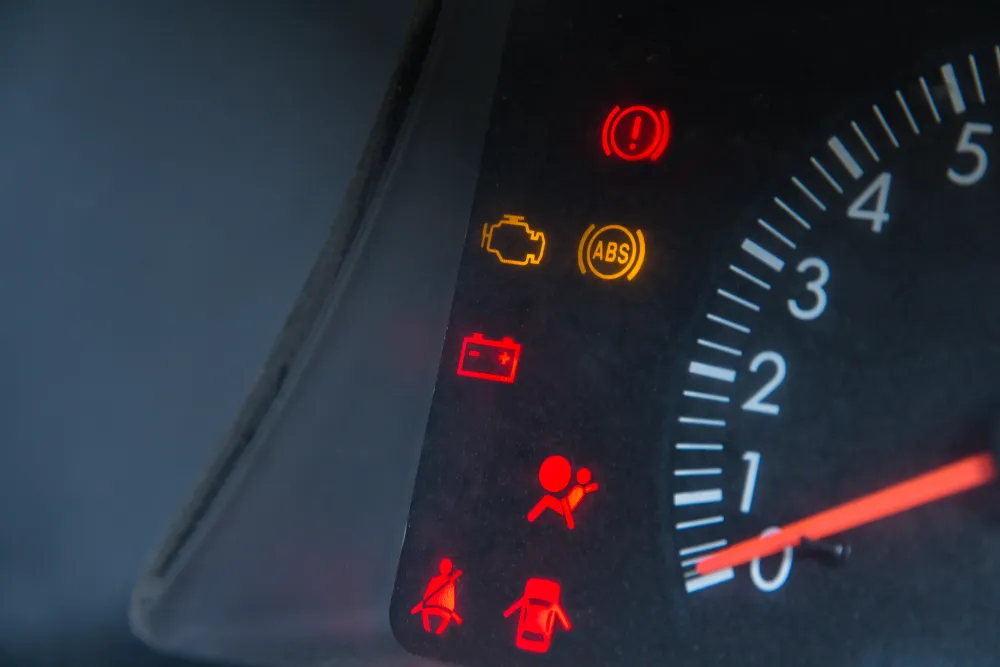
Seeing the check engine light blinking but car drives fine is easy to dismiss. But a blinking light often means an active misfire or an issue that can damage parts like the catalytic converter. Running the car while the fault continues can lead to bigger bills and unsafe driving conditions.
A blinking light can go from a minor fault to a breakdown in days. I learned to treat blinking warnings as urgent, not optional. If you want to avoid a tow or a much larger repair, act quickly.

How to diagnose when the check engine light blinking but car drives fine
If the check engine light blinking but car drives fine, start with basic checks you can do yourself. Use a scanner to read active trouble codes. The code will guide the next steps and tell you whether it’s a misfire, sensor failure, or electrical issue.
Step-by-step quick checks
- Read trouble codes with an OBD-II scanner and note pending and active codes
- Inspect spark plugs and ignition coils for cracks, carbon tracks, or oil fouling
- Check fuel pressure and listen for weak pump sounds when the car primes
- Look for loose vacuum hoses, disconnected lines, or corroded connectors
A live data view is very helpful. Watch for misfire counters, fuel trims, and oxygen sensor switching. If you don’t have a scanner, most auto parts stores will read codes free. I often start with a code read to avoid guessing.

Common fixes and typical costs for check engine light blinking but car drives fine
Fixes depend on the root cause shown by the codes. Here are common repairs and general cost ranges. Prices vary by vehicle and region, so treat these as ballpark estimates.
Typical repairs and costs
- Spark plugs replacement: $50–$200 depending on parts and labor
- Ignition coil replacement: $80–$300 per coil
- Fuel injector cleaning or replacement: $100–$600
- Oxygen or mass airflow sensor: $100–$400 each
- Fuel pump replacement: $300–$900
- Wiring repair or connector cleaning: $50–$250
If the catalytic converter is damaged from prolonged misfires, the cost can be $1,000–$2,500 or more. That’s one reason to respond quickly when the check engine light blinking but car drives fine.

Preventive maintenance and tips to avoid a check engine light blinking but car drives fine
Regular upkeep lowers the chance of sudden warnings. A simple maintenance plan helps catch faults before they blink at you.
Maintenance checklist
- Replace spark plugs at interval recommended by the maker
- Inspect ignition coils and boots when doing tune-ups
- Use quality fuel and change the fuel filter as needed
- Keep the air filter clean and check for vacuum leaks
- Scan periodically, especially after hard starts or rough running
I keep a small OBD-II scanner in my trunk for quick checks. It saved me a tow once when I caught a coil fault early.
Frequently Asked Questions of check engine light blinking but car drives fine
What does it mean when the check engine light blinking but car drives fine?
A blinking check engine light usually signals an active misfire or severe engine issue. Even if driving feels normal, the engine may be running poorly and can cause damage over time.
Can I keep driving if the check engine light blinking but car drives fine?
Short distances may be okay to reach a safe spot or garage, but avoid long trips. Driving longer can damage the catalytic converter and raise repair costs.
Will a loose gas cap cause the check engine light blinking but car drives fine?
A loose gas cap can trigger a check engine light, but it typically causes a steady light, not a blink. Still, always check the cap as a quick, free step.
How will a mechanic diagnose check engine light blinking but car drives fine?
A mechanic will read OBD-II codes, inspect ignition parts, check fuel pressure, and review live data for misfires and sensor behavior. Diagnosis targets the parts that show errors.
Is it possible that the check engine light blinking but car drives fine is a false alarm?
Rarely. Modern cars set a blinking light for serious faults. Intermittent wiring or a sensor fault can be tricky, so assume the car needs attention until proven safe.
Conclusion
A blinking check engine light while the car drives fine is a warning, not a reassurance. Act fast: read codes, check ignition and fuel systems, and get professional help if needed. Fixing the root cause early saves money and keeps you safe on the road.
Takeaway: Treat blinking engine lights as urgent, not optional. If this guide helped, subscribe, leave a comment with your car model and codes, or run a quick OBD-II scan to get started.