You can fix a flat tire at home with basic tools, a spare, or a patch kit in under an hour.
I’ve changed dozens of tires over the years, from city flats to highway blowouts. This guide shows you how to fix a flat tire at home with clear steps, safety tips, and real-world tricks I learned the hard way. Read on to get confident, stay safe, and get rolling again.
Tools and supplies you need to fix a flat tire at home
Before you start, gather tools and supplies. Having everything ready saves time and stress. These items cover most flats and let you choose the best repair method.
- Jack rated for your vehicle
- Lug wrench or breaker bar
- Torque wrench (recommended)
- Spare tire or donut
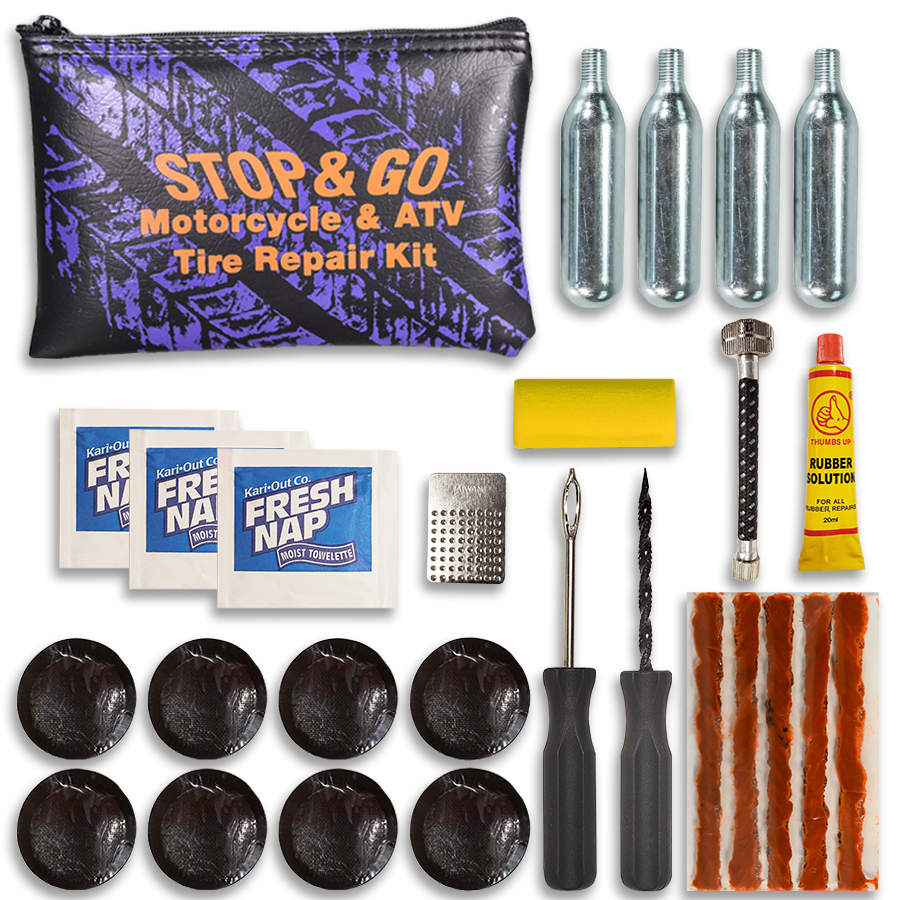
- Tire plug kit and tire sealant
- Tire patch kit and vulcanizing cement (for tube-type repairs)
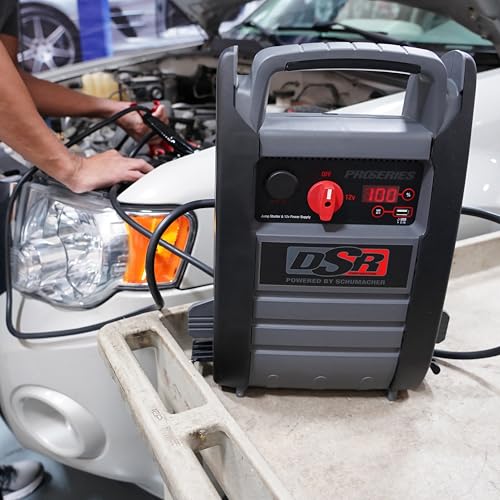
- Air compressor, portable inflator, or pump
- Wheel chocks and reflective triangles or vest
- Work gloves and flashlight
- Wire brush or rag to clean the puncture area
I always keep a compact plug kit and a small inflator in my trunk. Those two items solved three out of five flats for me without a full wheel swap. Having the right tools makes fixing a flat tire at home faster and safer.
Safety first: preparatory steps before you fix a flat tire at home
Safety is the top priority when you fix a flat tire at home. Stopping in the right spot and using safety gear prevents injury and damage.
- Pull over to a firm, level surface away from traffic.
- Turn on hazard lights and apply the parking brake.
- Place wheel chocks on the opposite wheel to stop movement.
- Set reflective triangles or a safety vest if available.
- Consult your owner’s manual for jack points and vehicle-specific tips.
I once tried to change a tire on a sloped driveway and the jack slipped. That taught me to always pick flat ground and use wheel chocks. Following basic safety steps will make fixing a flat tire at home straightforward and secure.
Step-by-step: how to fix a flat tire at home
This section covers two main approaches: temporary fixes to get you to a shop and permanent fixes you can do at home for certain punctures.
- Assess the damage
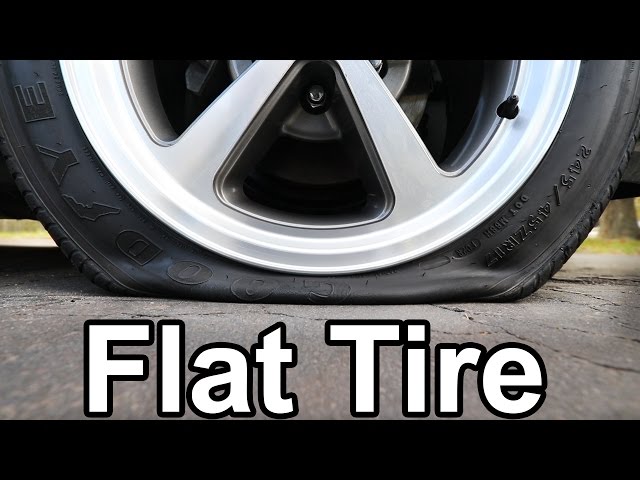
- Inspect the tire for cuts, nails, sidewall bulges, or large gashes.
- If the sidewall is damaged or the tread is shredded, do not repair. Replace the tire.
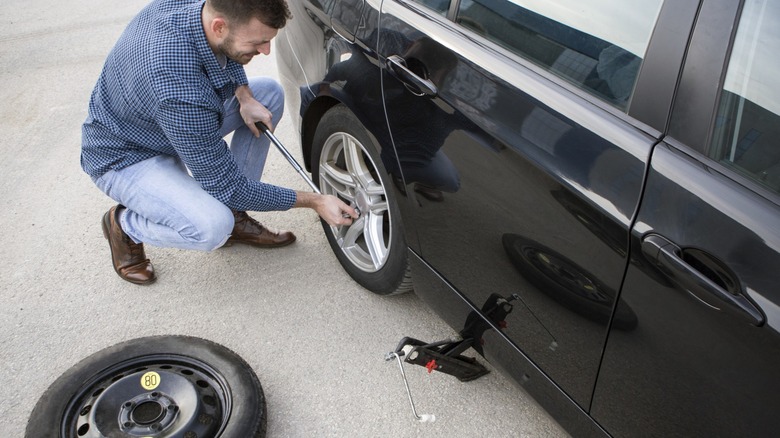
- Use a spare tire (quickest and safest)
- Loosen lug nuts slightly with the car on the ground.
- Jack the car at the correct point and lift until the tire clears the ground.
- Remove lug nuts, swap in the spare, hand-tighten, lower the car, then torque lug nuts to spec.
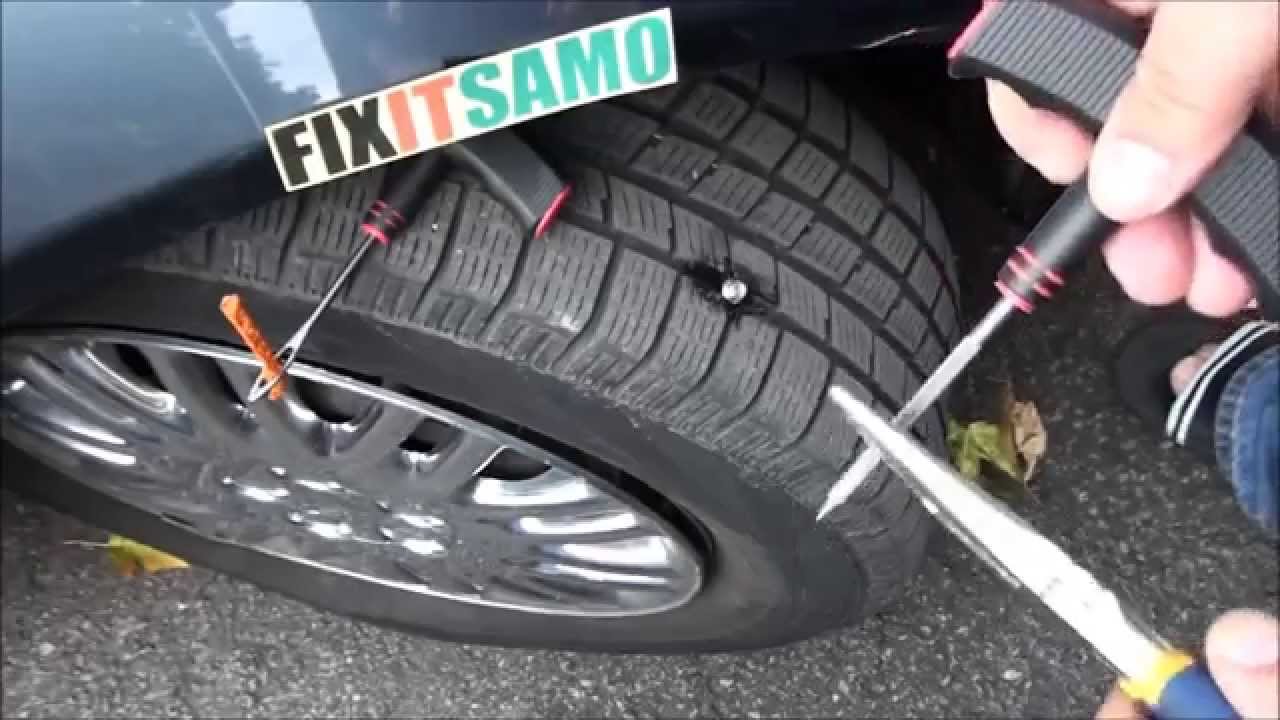
- Use a tire plug kit for small tread punctures
- Remove the object (if still stuck) with pliers.
- Ream the hole with the provided tool to clean and roughen.
- Thread the plug into the insertion tool, push through the hole, pull back, and trim excess.
- Reinflate to proper pressure and check for leaks using soapy water.
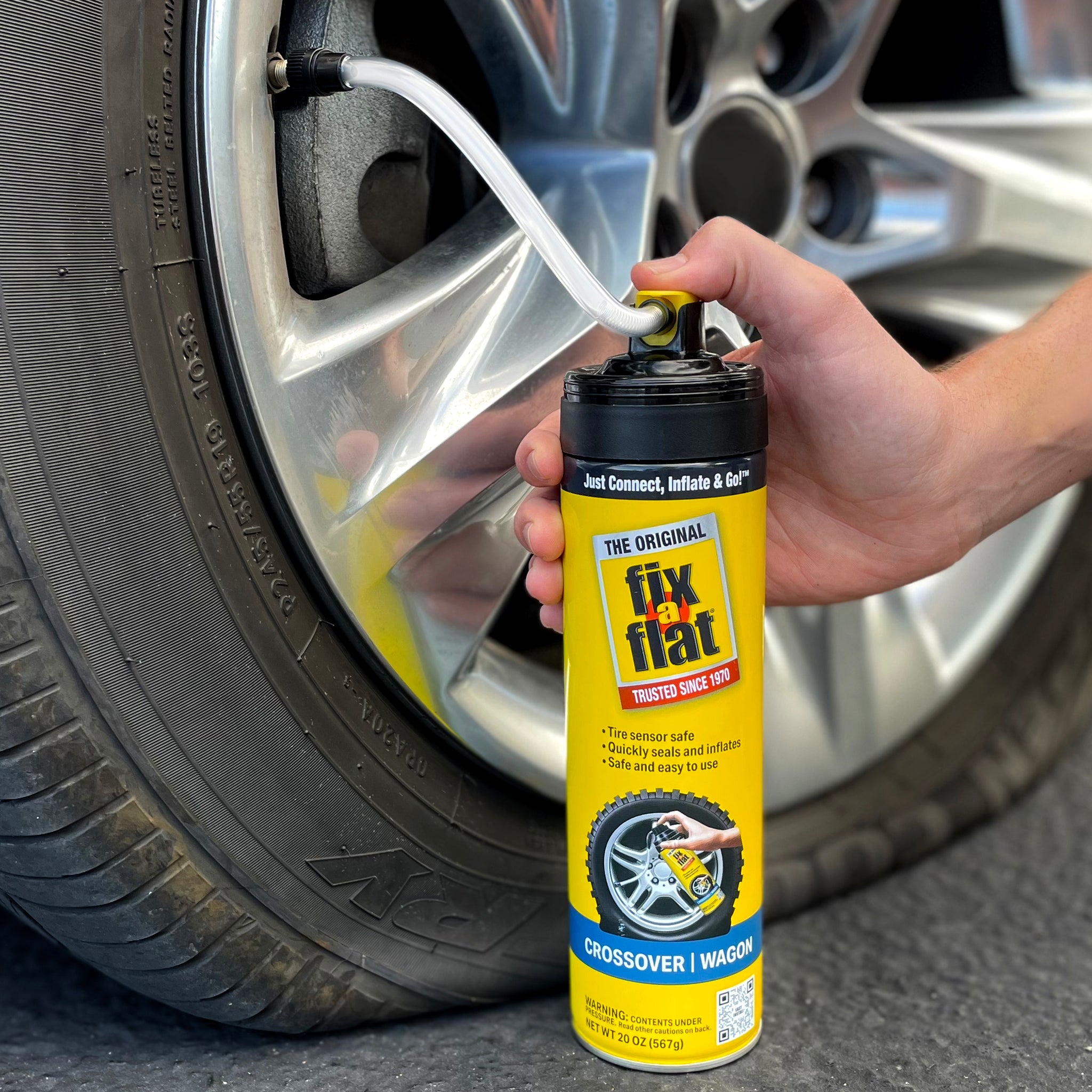
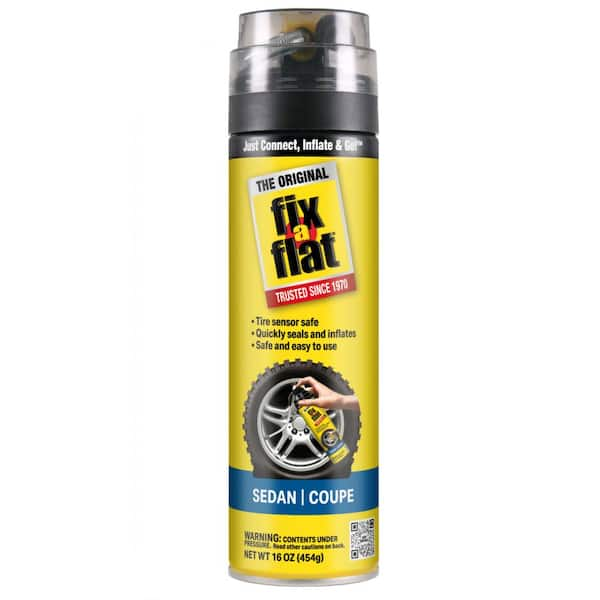
- Use tire sealant as a temporary fix
- Follow the sealant instructions and attach the bottle to the valve stem.
- Drive slowly for a short distance to let the sealant distribute.
- Sealants are temporary; repair or replace the tire soon after.
- Patch from the inside for a long-term at-home repair (requires removing the tire)
- Remove the wheel and take the tire off the rim using tire irons or a machine.
- Clean and sand the inner surface around the hole.
- Apply vulcanizing cement and a proper patch, press firmly, and allow to cure.
- Re-mount the tire, inflate, and balance if possible.
When you fix a flat tire at home, choose the method that matches the damage. For most small tread punctures, a plug or patch works. For sidewall damage, replace the tire.

When to patch vs replace tire when you fix a flat tire at home
Knowing when to patch or replace is crucial. A wrong choice risks safety and further damage.
- Patch or plug if the puncture is within the tread area and less than 1/4 inch (6 mm).
- Do not patch sidewall damage or large gashes.
- Replace if the tire has extensive tread separation, multiple punctures close together, or a bulge.
- If the tire has low tread depth or is older than six years, consider replacement instead of repair.
I once patched a tire that later showed sidewall weakness. That led me to replace sooner next time. When you fix a flat tire at home, err on the side of safety if you see signs of structural damage.
Common mistakes and troubleshooting when fixing a flat tire at home
Avoid these common errors to make the repair effective and safe.
- Mistake: Not fully loosening lug nuts before jacking. Always loosen slightly first.
- Mistake: Repairing sidewall damage. Sidewalls flex and patches fail there.
- Mistake: Not checking for secondary punctures. Run soapy water after repair to spot leaks.
- Mistake: Overinflating the spare or repaired tire. Use the recommended pressure.
- Troubleshooting: If the tire still leaks after a plug, remove and inspect the hole; you may need a patch or replacement.
When I rushed a repair once, the plug failed two hours later. Now I always test with soapy water and monitor pressure after any fix. These checks prevent surprises when driving.
Maintenance tips to avoid flats and make future fixes easier
Regular care reduces flats and makes repairs easier when they do happen.
- Check tire pressure monthly and before long trips.
- Inspect tires for nails, cuts, and uneven wear weekly.
- Rotate tires per your vehicle’s schedule to extend life.
- Carry a basic repair kit: plug kit, sealant, portable inflator, and gloves.
- Replace tires that are cracked, bulging, or older than recommended.
Keeping tools and supplies ready makes how to fix a flat tire at home less stressful. I keep a small kit in my trunk and it saved me time on highway trips.
Frequently Asked Questions of How to fix a flat tire at home
What is the fastest way to fix a flat tire at home?
The fastest way is to swap in a properly inflated spare tire. That lets you drive to a shop for a permanent repair.
Can I drive on a plugged tire?
You can drive a short distance on a properly installed plug. Have the tire professionally inspected and repaired or replaced soon.
Is a tire sealant a permanent fix?
No. Tire sealant is a temporary solution. It can get you to a shop but is not a long-term repair.
How long does it take to change a tire at home?
A basic spare swap usually takes 15 to 30 minutes for a non-racing driver. Plug or patch repairs can take 20 to 60 minutes depending on experience.
When should I replace the tire instead of patching?
Replace the tire if the sidewall is damaged, the puncture is larger than recommended, or the tire shows structural failure or old age.
Conclusion
You can fix a flat tire at home safely with the right tools, basic knowledge, and common sense. Start by assessing the damage, choose the right fix, follow safety steps, and always test your repair. Practice these steps on a calm day to build confidence. If in doubt, replace the tire or seek professional help. Try assembling a small repair kit today and subscribe for more hands-on car care tips. Leave a comment with your flat tire story or questions.