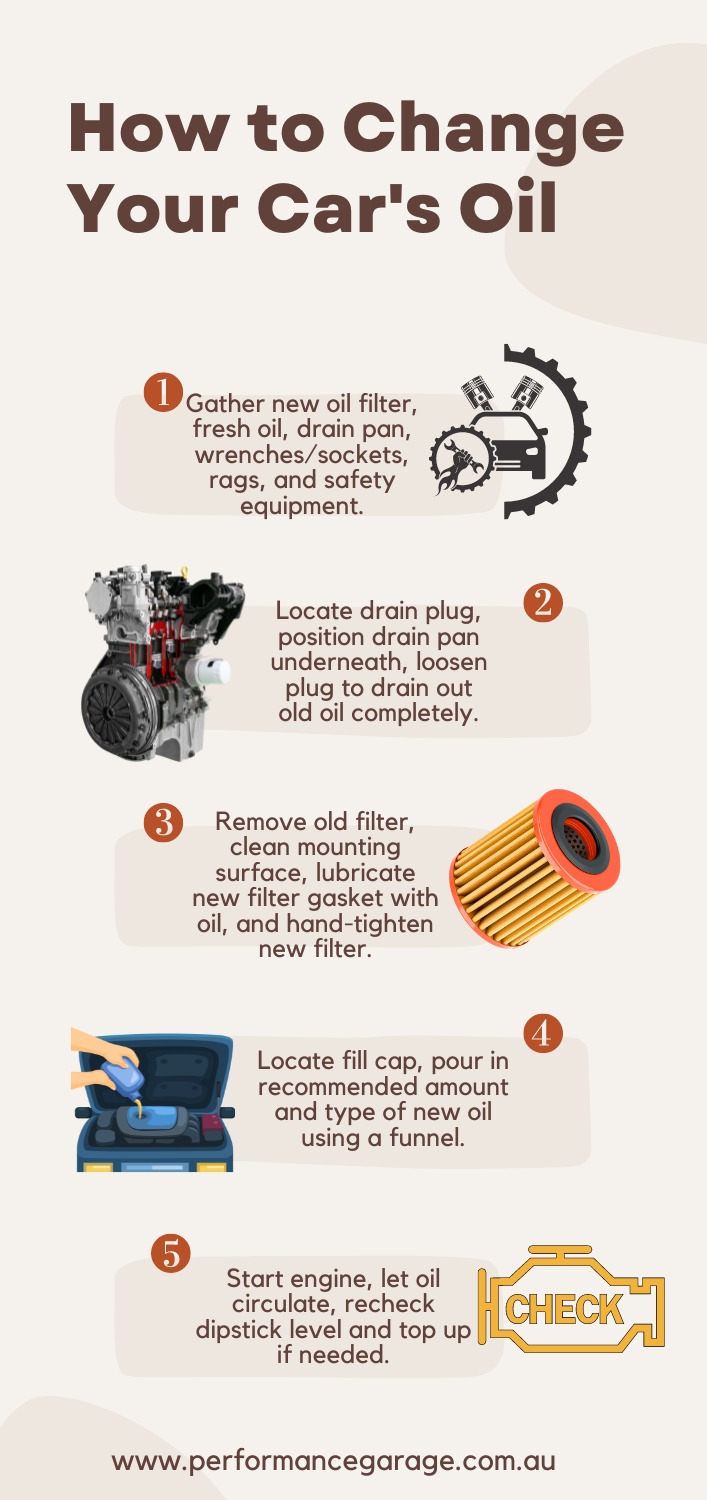
Follow these clear steps to safely and correctly change your car’s engine oil.
I’ve changed oil on dozens of cars, trucks, and motorcycles, so I know what works. This guide on how to change engine oil step by step walks you through tools, safety, preparation, the full drain-and-fill process, oil filter replacement, and proper disposal. Read on and you’ll gain confident, repeatable skills for routine maintenance that saves money and extends engine life.

Tools and materials you’ll need
Before you start learning how to change engine oil step by step, gather everything so the job is smooth.
- Engine oil that matches your vehicle’s specifications and viscosity
- New oil filter compatible with your engine
- Drain pan with sufficient capacity
- Socket wrench and appropriate socket for the drain plug
- Oil filter wrench or strap wrench
- Funnel and clean rag or paper towels
- Car jack and jack stands or ramps, plus wheel chocks
- Gloves and eye protection
- Torque wrench (recommended)
- Oil container or sealed jug for used oil transport
Collecting the right tools makes how to change engine oil step by step faster and safer. I keep a small kit in the garage to avoid mid-job runs to the store.

Safety precautions before you begin
Safety is key when learning how to change engine oil step by step.
- Park on level ground to prevent the vehicle from rolling.
- Let the engine cool for 15–30 minutes; warm oil drains faster but avoid hot burns.
- Use wheel chocks and support the car with jack stands or ramps—never rely on a jack alone.
- Wear gloves and eye protection to avoid contact with used oil and debris.
- Work in a ventilated area to avoid breathing fumes.
I once underestimated a still-hot oil pan and burned my hand; take the short cooling wait seriously. These precautions make how to change engine oil step by step safe for beginners and pros alike.
Preparation: check specs and warm the engine
Good preparation is an essential part of how to change engine oil step by step.
- Check the owner’s manual for oil grade and capacity.
- Buy slightly more oil than the listed capacity so you don’t run short.
- Run the engine for 5–10 minutes to warm the oil, which helps it flow out faster.
- Locate the oil filter and drain plug under the vehicle before raising it.
Knowing your vehicle’s specs saves time and avoids mistakes while you follow how to change engine oil step by step.
Step-by-step oil change guide
Follow these steps to perform a complete oil change. This is the core of how to change engine oil step by step.
- Raise and secure the vehicle
- Use a jack and place the car on jack stands or drive onto ramps. Engage the parking brake and chock the rear wheels.
- Position the drain pan
- Slide the drain pan under the oil pan drain plug. Make sure it will catch all the oil and avoid spills.
- Remove the drain plug
- Use the correct socket to loosen the drain plug. Turn slowly and be ready for hot oil. Remove the plug by hand and let the oil drain completely.
- Replace the drain plug
- Clean the plug and surrounding area. Replace the crush washer if needed and torque the plug to the manufacturer’s spec.
- Remove the old oil filter
- Use an oil filter wrench to loosen the filter. Unscrew it by hand and let excess oil drain into the pan.
- Prepare and install the new oil filter
- Lightly coat the new filter’s rubber gasket with fresh oil. Screw the filter on until it seats, then tighten by hand about 3/4 to 1 full turn—avoid over-tightening.
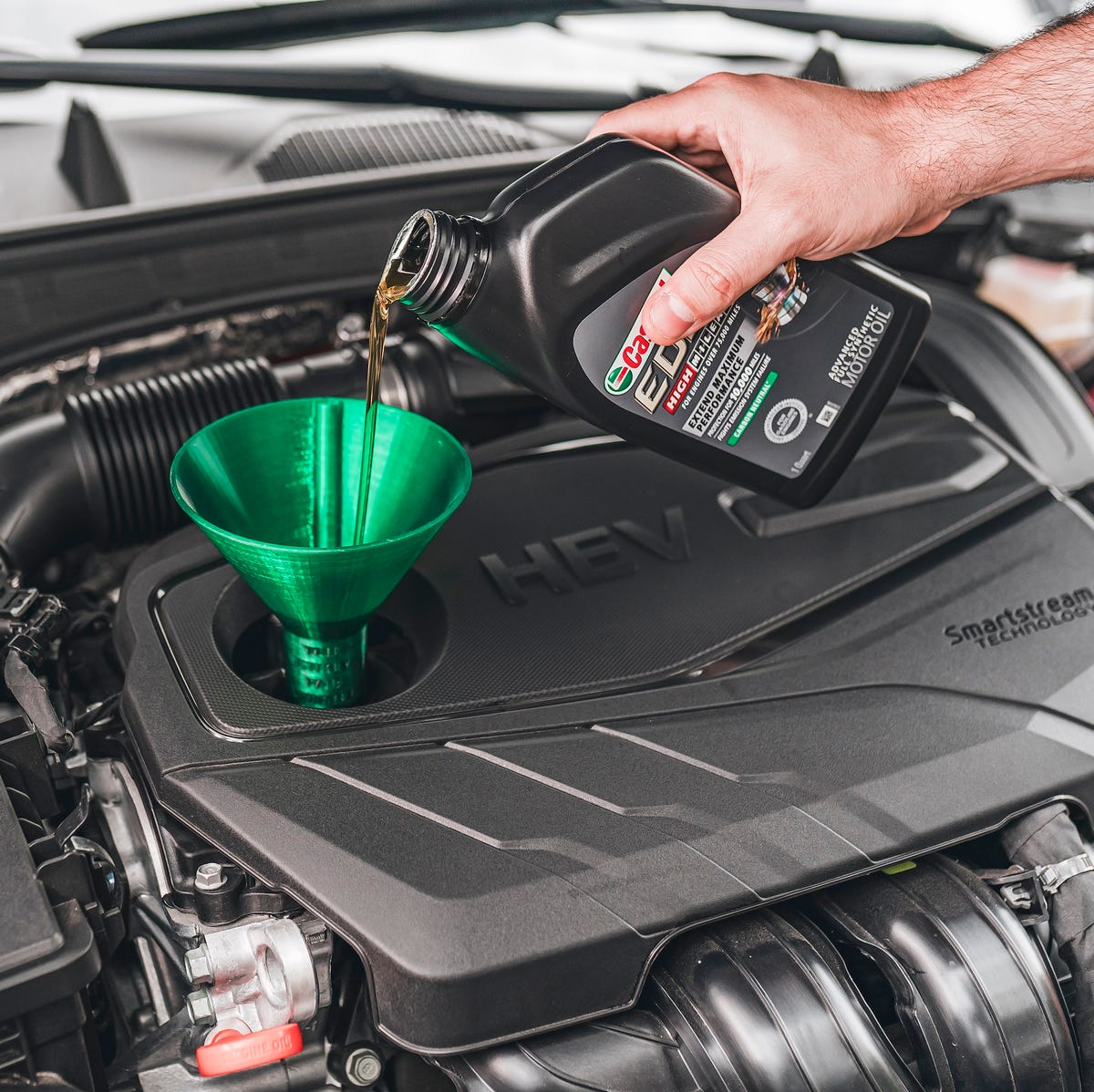
- Add new oil
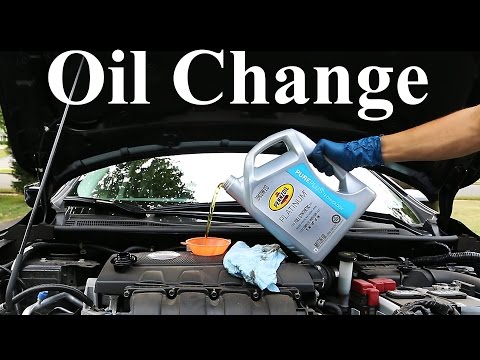
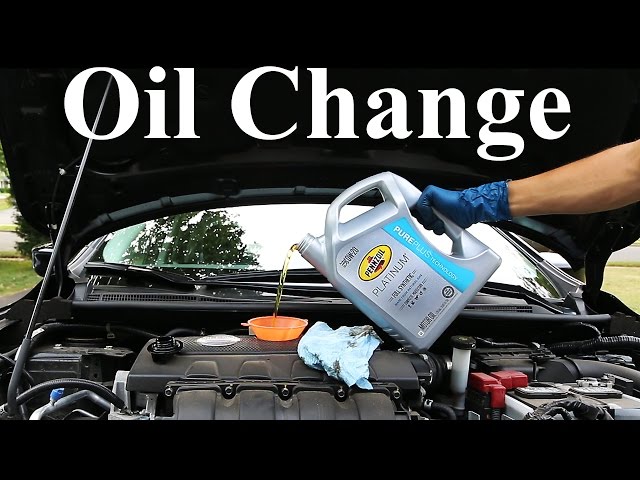
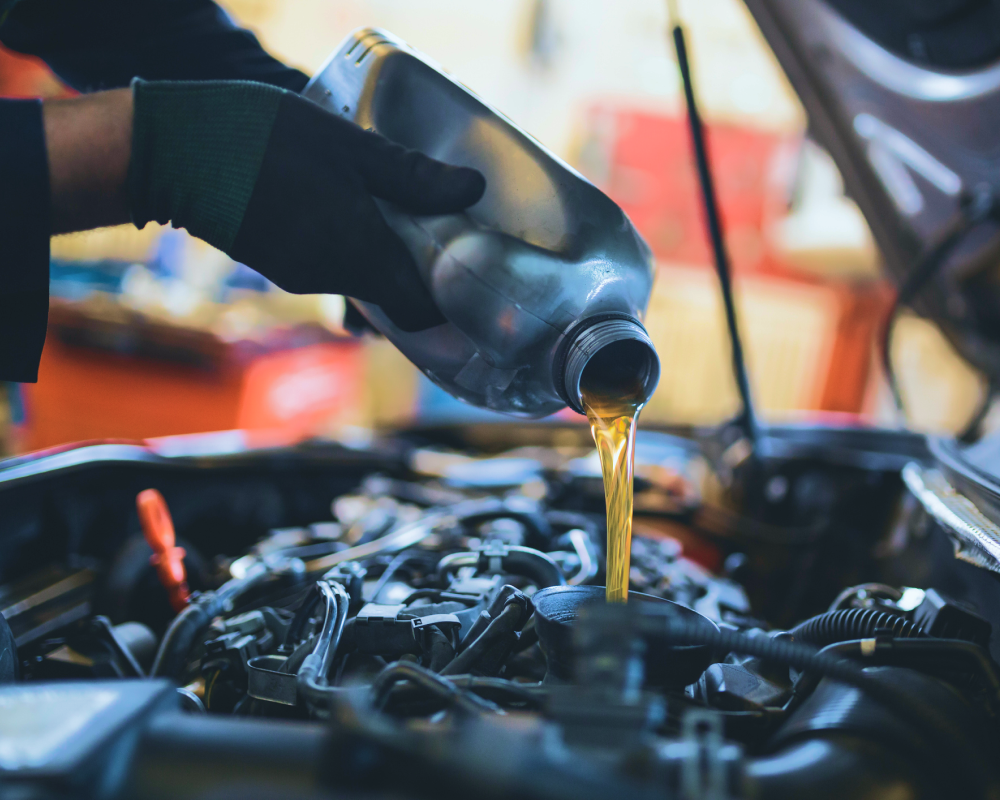
- Lower the vehicle to level ground. Remove the oil filler cap and use a funnel to pour in the specified amount of oil.
- Check the oil level
- Wait a minute, then use the dipstick to confirm the oil level is within the safe range. Add small amounts if needed.
- Start the engine and inspect
- Run the engine for 30–60 seconds and check for leaks around the drain plug and filter. Recheck the level after the engine stops.
- Reset maintenance light if applicable
- Follow your vehicle’s procedure to reset the oil change reminder.
These steps summarize how to change engine oil step by step in a reliable, repeatable way. From personal experience, the filter gasket lubrication and hand-tightening step prevent leaks and cross-threading.
Checking oil level and disposal
Proper checking and disposal finish the job when learning how to change engine oil step by step.
- Re-check oil level after a short drive and an engine cool-down; top off if needed.
- Record the date and mileage of the oil change for future maintenance.
- Store used oil in a sealed container. Recycle used oil at a local automotive store or recycling center—don’t pour it down drains or on the ground.
- Replace or recycle oil filters according to local regulations.
I always keep a labeled used-oil jug in the garage until I drop it at the recycling center. Responsible disposal completes how to change engine oil step by step and protects the environment.
Common mistakes and troubleshooting
Avoid these common errors while practicing how to change engine oil step by step.
- Mistake: Using the wrong oil viscosity. Always follow the owner’s manual.
- Mistake: Over-tightening the filter or drain plug. This can strip threads or damage the oil pan.
- Mistake: Forgetting to remove an oil-filled funnel or tools from the engine bay before starting.
- Troubleshooting: If you see leaks after the change, re-torque the drain plug and hand-tighten the filter slightly more.
- Troubleshooting: If oil pressure warning appears, shut down immediately and check oil level and installation.
I once tightened a filter too much and struggled to remove it later—good hand-tight technique avoids that. Fixing mistakes quickly is part of learning how to change engine oil step by step.
Tips to make the job easier and faster
Small habits improve how to change engine oil step by step and keep you efficient.
- Keep a checklist in your garage to avoid missed steps.
- Use a magnetic drain plug to catch metal particles and protect the engine.
- Replace the oil filter every oil change for the best protection.
- Keep a torque wrench set to the correct values listed in the manual.
- Do the service on a mild day to avoid freezing or overheating conditions.
These simple tips helped me cut time in half and avoid messy cleanups during how to change engine oil step by step.

Frequently Asked Questions of How to change engine oil step by step
How often should I change my engine oil?
Most cars need an oil change every 3,000 to 7,500 miles depending on oil type and driving conditions. Check your owner’s manual for the exact interval.
Can I change my oil without a jack?
You can if your car has enough ground clearance to access the drain plug and filter, but ramps or stands make the job much safer and easier. Never crawl under a car supported only by a jack.
Do I always need to change the oil filter?
Yes. Replacing the oil filter each oil change prevents contaminants from circulating and protects engine life. It’s a low-cost, high-benefit step.
What oil viscosity should I use?
Use the viscosity and specifications listed in your owner’s manual, which account for temperature and engine design. Using the wrong grade can affect performance and protection.
How do I dispose of used oil safely?
Collect used oil in a sealed container and take it to a certified recycling center, automotive shop, or hazardous waste facility. Never pour used oil into drains or on the ground.
Can I overfill engine oil?
Yes. Overfilling can cause foaming and pressure build-up that damages seals and components. Always fill to the dipstick’s recommended level.
How long does an oil change take for a beginner?
Plan 45–90 minutes for your first few oil changes, including setup and cleanup. With practice the job often takes 30–45 minutes.
Conclusion
Changing your oil is a practical skill that protects your engine and saves money. Follow the clear steps on how to change engine oil step by step, gather the right tools, observe safety precautions, and dispose of used oil responsibly. Start with one oil change, learn from it, and track maintenance to keep your vehicle running strong. Try this on your next maintenance day, share your experience in the comments, or subscribe for more hands-on car care guides.