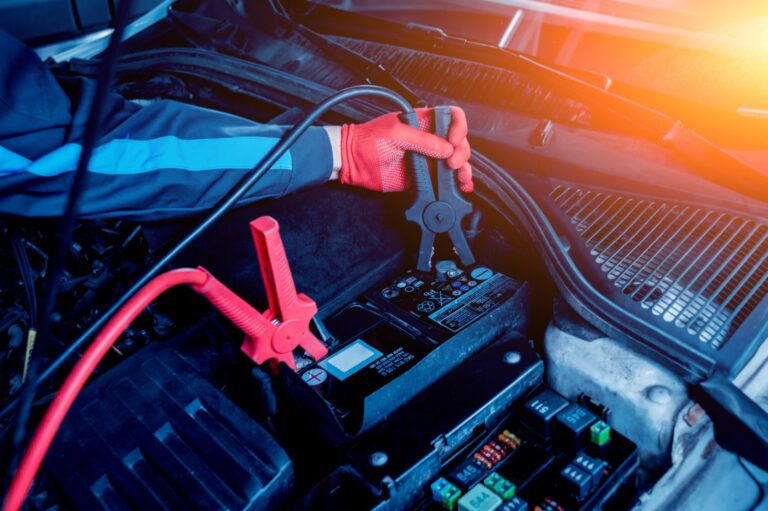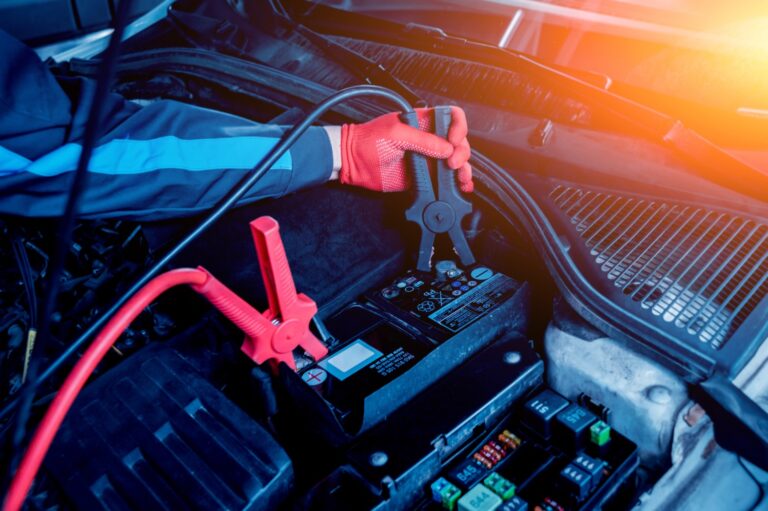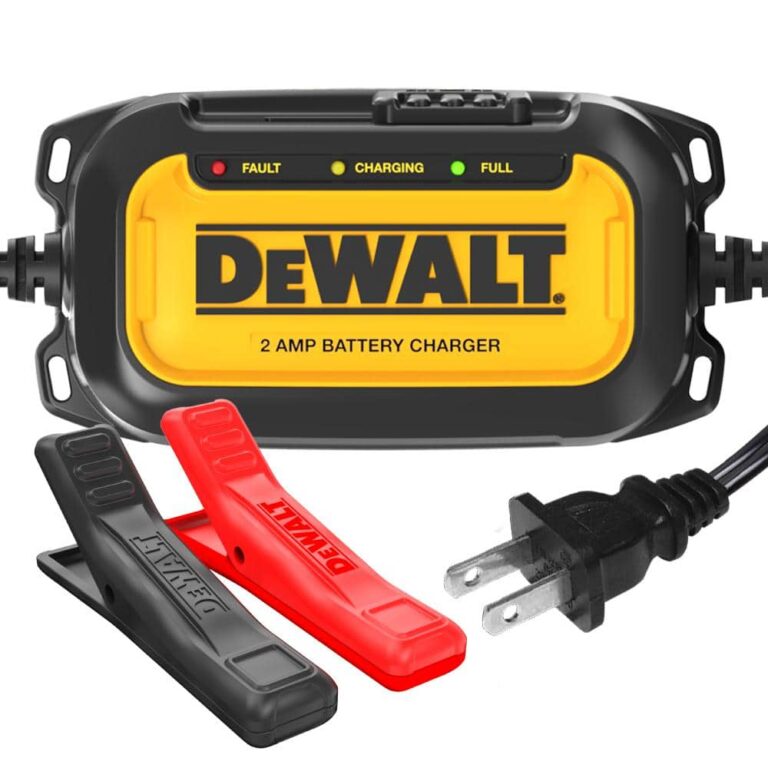
Most cars need a smart 12-volt charger rated for lead-acid, AGM, or gel batteries.
Choosing the right charger depends on your battery type, battery size, charging speed, and how you plan to use it. This guide explains what battery charger do I need for my car, how many amps are suitable, and which safety features can protect both you and your vehicle.
What battery charger do I need for my car?
For most gasoline and diesel vehicles, the best choice is a 12-volt smart battery charger. It checks the battery’s condition, adjusts the charging rate, and switches to a maintenance mode when the battery is full.
A basic recommendation is:
- 12 volts for standard cars, trucks, SUVs, and motorcycles
- 4 to 8 amps for normal home charging
- 1 to 2 amps for long-term battery maintenance
- 10 to 15 amps when you need a faster charge
- Automatic shutoff and reverse-polarity protection for safety
The phrase what battery charger do I need for my car becomes easier to answer when you identify the battery chemistry first. Most cars use flooded lead-acid batteries, but many newer vehicles use AGM batteries. Some electric and hybrid vehicles also include a small 12-volt battery that needs a suitable charger.
A smart charger is usually better than an old-style manual charger. A manual charger can keep sending power after the battery is full, which may cause overheating, battery damage, or excessive gas buildup.

Match the charger to your car battery
Your battery label is the best place to start. Look for terms such as lead-acid, AGM, EFB, gel, or lithium. You may also see the battery voltage and capacity printed on the case.
Standard flooded lead-acid batteries
Flooded lead-acid batteries are common in older cars and many everyday vehicles. They contain liquid electrolyte and usually have removable caps, although some modern designs are sealed.
Choose a charger with a standard 12-volt lead-acid setting. A smart charger should reduce the current as the battery reaches full charge.
AGM batteries
Absorbent glass mat, or AGM, batteries are common in cars with start-stop systems. They also appear in vehicles with high electrical demand, such as cars with heated seats, advanced safety systems, and powerful sound systems.
AGM batteries often need a special charging profile. If your charger has an AGM mode, use it. Do not assume that a standard setting is always safe for an AGM battery.
EFB batteries
Enhanced flooded batteries, or EFB batteries, are stronger than basic flooded batteries. They are also used in some start-stop vehicles.
Many smart chargers include an EFB-compatible standard mode. Check your vehicle manual and charger instructions before selecting a setting.
Gel batteries
Gel batteries use a thicker electrolyte. They need controlled charging voltage because overcharging can create permanent damage.
Use a charger that clearly supports gel batteries. Avoid using a high-current setting unless the manufacturer allows it.
Lithium batteries
Some vehicles use lithium iron phosphate, or LiFePO4, batteries. These are not the same as ordinary lithium-ion batteries found in phones and laptops.
A lead-acid charger may damage a lithium battery or fail to charge it correctly. Use a charger designed for the exact lithium battery type and voltage.
When deciding what battery charger do I need for my car, never choose by voltage alone. Battery chemistry matters just as much as the 12-volt label.
How many amps should a car battery charger have?
Charger amperage controls how quickly the charger can add energy to the battery. A higher amp rating usually means faster charging, but fast is not always best.
Here is a simple guide:
- 1 to 2 amps: Best for maintaining a healthy battery or slowly charging a small battery
- 4 to 6 amps: A good choice for most home charging
- 8 to 10 amps: Useful for larger batteries and quicker charging
- 15 amps or more: Suitable for fast charging when the battery and charger support it
A low-amp charger is gentle and useful when a car sits for weeks. It is often called a battery maintainer or trickle charger. A smart maintainer does not continuously push current into the battery. Instead, it monitors voltage and adds power when needed.
For many cars, a 4-amp or 6-amp smart charger offers the best balance. It can recharge a moderately low battery overnight without placing unnecessary stress on the battery.
A rough charging estimate uses this formula:
Charging time = battery capacity in amp-hours ÷ charger output in amps
Real charging takes longer because of charging losses and the battery’s changing resistance. For example, a 60 amp-hour battery charged at 6 amps may need about 10 to 12 hours from a low state. A deeply discharged battery may need even more time.
The answer to what battery charger do I need for my car is not always the charger with the highest amp number. The right output is one that fits the battery and your schedule.

Smart charger features worth paying for
A good charger should do more than send electricity through two cables. Modern smart chargers use a series of charging stages to restore and maintain the battery.
Important features include:
- Automatic voltage detection: Confirms that the charger is connected to a compatible battery
- Reverse-polarity protection: Helps prevent damage if the clamps are connected incorrectly
- Short-circuit protection: Stops the charger if the leads touch
- Overcharge protection: Reduces or stops current when the battery is full
- Battery testing: Checks whether the battery can hold a charge
- AGM and gel modes: Uses a suitable charging profile for specialty batteries
- Maintenance mode: Keeps a stored vehicle ready without constant overcharging
- Temperature protection: Helps control charging in very hot or cold conditions
- Desulfation or repair mode: May help some lead-acid batteries, though it cannot restore every damaged battery
A repair mode can sometimes improve a battery with mild sulfation. However, it will not fix a battery with a broken plate, internal short, frozen electrolyte, or severe physical damage.
From my experience checking chargers for seasonal vehicles, the maintenance mode is one of the most useful features. People often buy a charger to solve one dead-battery problem, then discover it can prevent the same issue when a car sits during vacation or winter.

Battery charger versus jump starter
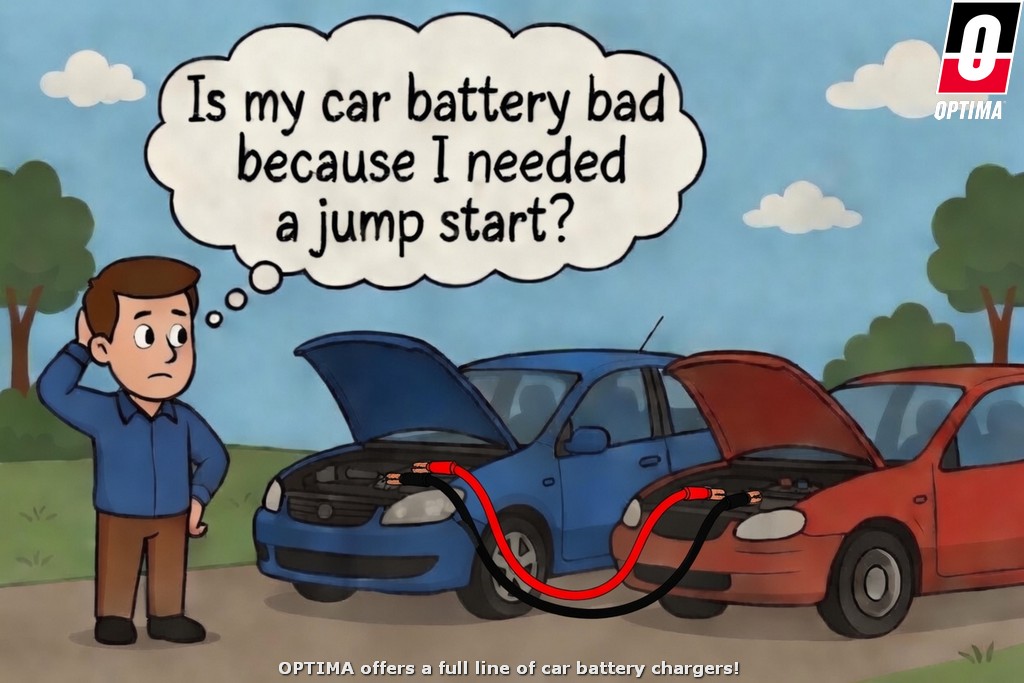
A battery charger and a jump starter serve different purposes. A charger slowly restores energy over time. A jump starter provides a large burst of power so the engine can crank immediately.
Choose a battery charger when:
- You have several hours to recharge the battery
- The vehicle will sit for a long time
- You want to maintain a healthy battery
- You suspect the battery is slowly losing charge
Choose a jump starter when:
- You need to start the car right away
- You are stranded away from an electrical outlet
- The battery has enough condition to accept a temporary boost
- You want emergency equipment for road trips
A jump starter does not repair a weak battery. If the car starts with a jump but fails again the next morning, the battery, alternator, or electrical system may need testing.
This difference is important when asking what battery charger do I need for my car. A charger is a recovery and maintenance tool, while a jump starter is mainly an emergency starting tool.

How to use a car battery charger safely
Read the charger and vehicle manuals before connecting anything. Park in a dry, well-ventilated place and keep sparks, cigarettes, and open flames away from the battery.
Follow these steps:
- Turn off the vehicle and remove the key.
- Inspect the battery for cracks, leaks, swelling, or frost.
- Connect the red positive clamp to the positive battery terminal.
- Connect the black negative clamp to the negative terminal or a clean engine ground, if the vehicle manual recommends that method.
- Plug in the charger.
- Select the correct battery type and charging mode.
- Choose a suitable amperage.
- Let the charger complete its cycle.
- Turn off or unplug the charger before removing the clamps.
- Remove the black clamp first, then the red clamp.
A swollen, cracked, leaking, or frozen battery should not be charged. Replace it or have it inspected by a qualified technician.
Never place a charger on a wet surface. Keep the charger dry, and do not cover it while operating. Charging can produce hydrogen gas, especially with some flooded lead-acid batteries, so good airflow is essential.
If the battery is still installed in the vehicle, modern cars may have special charging points or battery monitoring sensors. Check the vehicle manual before connecting directly to the battery posts.

Can a charger fix a dead car battery?
Sometimes, but not always. A battery that is merely discharged may recover after a slow, complete charge. A battery that is worn out may accept a charge briefly but lose it soon afterward.
Common causes of a dead battery include:
- Leaving headlights or interior lights on
- A vehicle sitting unused for weeks
- Extreme cold weather
- An aging battery
- A faulty alternator
- Parasitic electrical drain
- Loose or corroded battery connections
If a fully charged battery drops below normal voltage after sitting overnight, the battery may be failing. A healthy, fully charged 12-volt lead-acid battery often measures close to 12.6 volts when resting, although temperature and recent charging can affect the reading.
With the engine running, charging voltage is often around 13.7 to 14.7 volts. The exact range depends on the vehicle and its charging system. Smart alternators can vary voltage, so a single reading should not be treated as a complete diagnosis.
I once saw a vehicle owner replace a battery charger twice because the battery kept going flat. The real problem was a small trunk light that stayed on. The lesson is simple: a charger can restore energy, but it cannot repair an electrical drain.
When considering what battery charger do I need for my car, also ask why the battery became empty. That answer may save you money and prevent another breakdown.
Common mistakes to avoid
Even a quality charger can cause problems when used incorrectly. These are the mistakes I see most often:
- Using a 6-volt setting on a 12-volt car battery
- Charging an AGM battery with the wrong profile
- Choosing a high-current mode for a small battery
- Connecting the clamps backward
- Charging a frozen or damaged battery
- Leaving a manual charger connected for too long
- Ignoring corrosion on the terminals
- Charging inside a closed garage without ventilation
- Assuming a charger can replace a bad alternator
- Buying a cheap charger with no safety protections
Do not rely only on the charger’s “engine start” feature. That feature may help some vehicles, but it is not the same as a dedicated jump starter and may not work with a severely discharged battery.
Also, avoid judging a charger by its maximum amp rating alone. A reliable 5-amp smart charger can be more useful than a poorly made 20-amp charger with limited protection.
Best charger choice for common situations
The right choice depends on how you use your vehicle.
For a daily driver
Choose a 4-amp to 8-amp smart charger that supports your battery type. You may only need it occasionally, but it can help after leaving lights on or during very cold weather.
For a car stored in winter
Choose a 1-amp to 2-amp smart maintainer. It can keep the battery charged while the vehicle sits, provided the charger is designed for long-term use.
For a classic car
A smart maintainer with low-current output is usually a good fit. Classic cars may have older wiring and can lose charge while parked, so use a charger with clear status lights and strong safety controls.
For an SUV or truck
A 6-amp to 10-amp charger may be more practical because larger batteries can take longer to recharge. Confirm the battery’s amp-hour rating before choosing a high-output model.
For a start-stop vehicle
Choose a charger that supports AGM or EFB batteries, depending on the label. A standard charger may not deliver the correct profile.
For a hybrid vehicle
Many hybrids still use a 12-volt auxiliary battery. Follow the vehicle manual closely because the correct connection point may differ from a conventional car.
The best answer to what battery charger do I need for my car comes from matching the charger to the vehicle, battery chemistry, battery size, and storage habits.
How to choose a reliable charger
Before buying, check the product label and manual for clear specifications. A trustworthy charger should state the supported battery types, voltage, maximum current, charging stages, and safety protections.
Use this checklist:
- Confirm it is made for 12-volt automotive batteries.
- Check that it supports your battery chemistry.
- Pick an amp rating suited to your battery size.
- Look for automatic shutoff and maintenance mode.
- Confirm that the cables are long enough for your setup.
- Choose weather-resistant equipment only if it is rated for outdoor use.
- Check the warranty and safety certification.
- Avoid products with unclear instructions or exaggerated claims.
Industry guidance for lead-acid batteries consistently emphasizes correct voltage, controlled charging, ventilation, and protection from overcharging. Your vehicle manufacturer’s manual remains the final authority, especially for newer cars with battery sensors and complex charging systems.
A charger cannot overcome every battery problem. If the battery is more than a few years old, repeatedly fails, or causes slow engine cranking, have the battery and charging system tested.
Frequently Asked Questions About What Battery Charger Do I Need for My Car
Do I need a 12-volt charger for my car?
Most cars use a 12-volt electrical system, so a 12-volt automotive charger is usually correct. Always check the battery label and vehicle manual before connecting a charger.
Is a 2-amp charger enough for a car battery?
A 2-amp charger can charge a car battery, but it may take many hours or more than a day if the battery is very low. It is especially useful as a battery maintainer.
Is a 10-amp charger safe for my car?
A 10-amp smart charger is safe for many car batteries when the correct voltage and battery mode are selected. Avoid using high current on a small battery unless the manufacturer approves it.
Can I leave a smart charger connected overnight?
Many smart chargers are designed for overnight use and switch to maintenance mode when charging is complete. Make sure the charger is rated for unattended charging and follow its instructions.
Can I charge an AGM battery with a regular charger?
You should use an AGM setting when available. A regular lead-acid setting may not provide the ideal charging voltage for an AGM battery.
Does a car battery charger charge a completely dead battery?
Some smart chargers will not start if the battery voltage is extremely low because they cannot detect it safely. A professional battery tester or controlled recovery process may be needed.
Can a battery charger damage my car’s electronics?
A quality automatic charger used correctly should not damage the vehicle. Follow the manual, use the correct connection points, and avoid cheap chargers with poor voltage control.
Conclusion
For most drivers, the best choice is a 12-volt smart charger with 4 to 8 amps, automatic shutoff, and support for the vehicle’s battery type. Use a lower-current maintainer for long-term storage, and choose AGM, EFB, gel, or lithium settings when required.
The answer to what battery charger do I need for my car depends on more than the charger’s amp number. Check the battery label, follow the vehicle manual, charge in a ventilated area, and investigate repeated battery drain instead of relying on charging alone.
Choose the right charger today, and you can protect your battery, avoid unnecessary replacements, and reduce the chance of being stranded. Share your vehicle model and battery type in the comments if you want help narrowing down the best option.