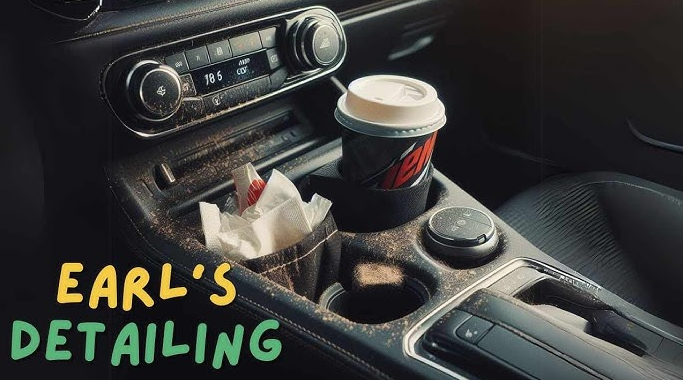
Old cleaner residue or dissolved gunk often leaves a tacky film behind after cleaning.
I’ve spent years fixing cars and homes, so I know why your cup holder sticky after cleaning can feel like a mystery. This guide explains common causes, safe fixes, and prevention steps in plain language. You’ll learn exactly what makes a cleaned cup holder sticky, quick tests to identify the residue, and simple, low-risk ways to restore a smooth, non-tacky surface.

Why cup holders get sticky after cleaning
Many people ask, "Why is my cup holder sticky after cleaning?" The most common reason is leftover cleaner residue that dries into a tacky film. Other causes include dissolved sugary spills, degraded plastic coatings, or trapped dirt that reactivates with moisture. Knowing the root cause helps you pick the right cleanup method and avoid making the problem worse.
- Leftover cleaners can leave a film when not fully rinsed.
- Sugary drinks dry into sticky films that attract dust.
- Soft plastics and silicone coatings can break down and feel sticky.
- Oils and grease mix with cleaning agents and form a tacky layer.
Personal note: I once cleaned an older car interior with a general-purpose spray and left it sticky for days. Rinsing with plain water and using a diluted vinegar wipe solved it. That taught me to test cleaners on a hidden spot first.

Quick questions people ask (PAA-style)
What should I check first?
- Smell the cup holder and look for residue. Sweet smell often means sugar; chemical smell suggests cleaner residue.
Can a cleaner make plastic sticky?
- Yes. Harsh cleaners can soften plastics or leave polymers behind that feel tacky.
Is sticky residue dangerous?
- Usually not, but it can attract bacteria if food or drink residues remain.
Common sticky residues and how cleaners can cause stickiness
If you still wonder, "Why is my cup holder sticky after cleaning," inspect the type of residue. Each residue behaves differently and needs a matching remedy.
- Sugar and soda residue
- Dries hard but rehydrates and becomes tacky when wet.
- Attracts dust and grime.
- Grease and oils
- Leave a slippery, tacky film that repels soap at times.
- Cleaner residue and waxes
- Some spray cleaners or protectants leave polymers or wax that feel sticky if not removed fully.
- Breakdown of plastic or paint
- UV and heat can soften surface coatings. After cleaning, exposed sticky compounds feel worse.
Practical test: Rub a damp paper towel across the surface. If it pulls off a gummy layer, the issue is surface residue. If the towel discolors and the plastic remains tacky, material breakdown may be the cause.

Step-by-step fixes to remove stickiness
When you ask, "Why is my cup holder sticky after cleaning," these steps usually fix it. Work from gentle to stronger methods.
- Gather supplies
- Warm water, mild dish soap, microfiber cloths, soft brush, isopropyl alcohol (70%), white vinegar, baking soda, cotton swabs.
- Rewash gently
- Mix a few drops of dish soap in warm water. Wipe and scrub the cup holder. Rinse with a damp cloth.
- Vinegar wipe
- Wipe with a 1:1 vinegar and water mix. Vinegar breaks down sugars and some residues.
- Baking soda paste for stubborn spots
- Make a paste with baking soda and water. Gently scrub with a soft brush. Rinse well.
- Alcohol for polymer residue
- Dab isopropyl alcohol on a cloth and test a small area. If safe, wipe the sticky film. Alcohol dissolves many cleaner residues.
- Final rinse and dry
- Rinse with a damp cloth and dry fully. Leave windows or doors open to air out.
Tip from experience: Use cotton swabs to reach tight crevices. Replace cloths as they pick up residue to avoid smearing.

Preventing future stickiness
To stop wondering, "Why is my cup holder sticky after cleaning" again, change habits and products. Prevention is simple and effective.
- Use mild cleaners and test first on hidden spots.
- Rinse thoroughly after using sprays or protectants.
- Avoid silicone-based or waxy protectants on cup-holder plastics.
- Clean spills quickly with warm soapy water to prevent hardening.
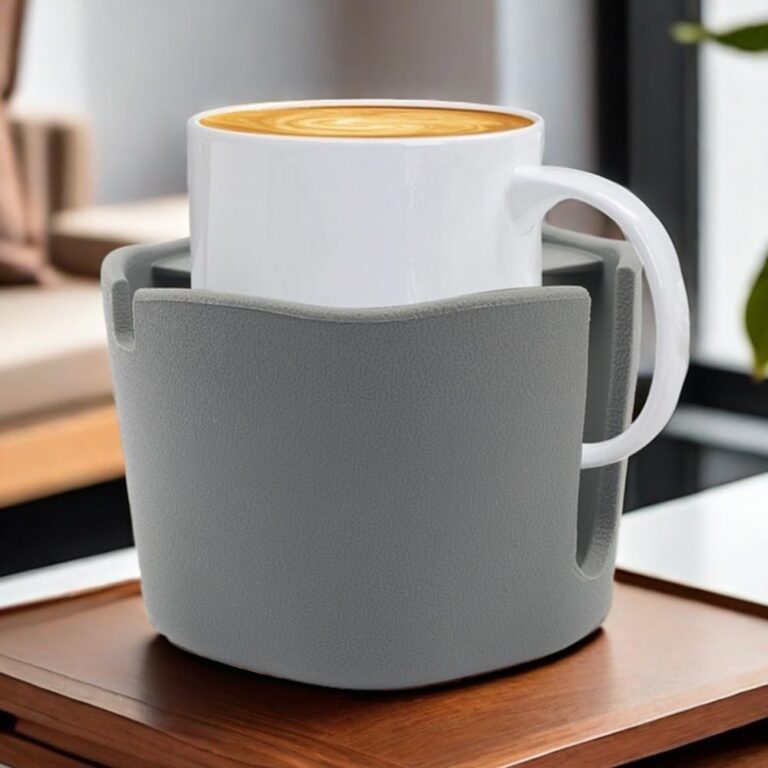
- Place removable liners in cup holders for easy washing.
- Keep sugary drinks sealed and avoid sticky snacks near cup holders.
From my garage work: reusable silicone liners saved time and kept cup holders like new. They’re cheap and easy to wash.

When to seek professional help or replace parts
If you still ask, "Why is my cup holder sticky after cleaning," and home fixes fail, consider deeper causes. Sometimes the plastic or coating has chemically degraded.
Signs to replace or get help:
- Sticky feeling returns after all cleaning methods.
- Surface looks melted, pitted, or changed in color.
- Odor persists despite cleaning.
- Sticky residue is inside layered or bonded parts.
A professional detailer or auto trim shop can assess whether resurfacing, painting, or part replacement is needed. Replacement liners and OEM parts restore original feel when cleaning can’t.
Frequently Asked Questions of Why is my cup holder sticky after cleaning
Why did my cup holder get sticky after using a cleaner?
Many cleaners leave a residue if not fully rinsed. Some cleaners contain waxes or polymers that dry tacky on plastic surfaces.
Can I use alcohol to remove sticky residue?
Yes, isopropyl alcohol often dissolves cleaner films and sticky residues. Test on a small hidden area first to avoid damaging plastic.
Will baking soda scratch my cup holder?
Baking soda is mildly abrasive but usually safe for plastic when used gently. Use a soft brush and minimal pressure.
How do I prevent sticky cup holders from trashing my car’s look?
Use removable liners, wipe up spills right away, and choose gentle cleaners to protect plastic finishes.
Is sticky residue a health risk?
Sticky residue itself is not usually harmful, but it can harbor bacteria if food or drink remains. Clean and disinfect regularly.
Conclusion
Sticky cup holders after cleaning usually come from leftover cleaner film, sugar residues, oil buildup, or degraded plastic. Start with gentle cleaning, try vinegar or alcohol for residues, and use liners to prevent repeat problems. Take action now: test a small spot, pick a fixable method, and save time by adding simple prevention steps. If the stickiness persists, consider professional help or replacing the part. Leave a comment with your situation or subscribe for more hands-on cleaning tips.