Use seat belts, cargo nets, and foam padding to keep large bottles upright and secure.
I’ve helped dozens of drivers and movers safely transport heavy jugs and bottles. This guide on how to secure large bottles in a car pulls from hands-on experience, safety best practices, and simple tools you can buy or make. Read on for clear, actionable steps that reduce spills, protect passengers, and keep your car intact.

Why securing large bottles in a car matters
Large bottles can shift suddenly during driving. They can roll, tip, or become dangerous projectiles in a crash. Securing them prevents spills, damage, and injury. Learning how to secure large bottles in a car is about safety, convenience, and protecting your vehicle’s interior.
Most roadside spills are avoidable. With a few simple tools and steps you can transport water, chemicals, or bulk beverages safely. I’ll share real-world tips I’ve used while moving and camping to make this quick and reliable.

Common risks and scenarios
Large bottles include water jugs, propane tanks, and commercial containers. Each has different hazards. Liquids can spill and damage upholstery. Pressurized containers like propane need extra care.
Typical risky situations include sudden braking, sharp turns, and uneven loads. Securing bottles reduces noise and prevents the bottle from rolling into the driver’s area. Knowing how to secure large bottles in a car makes trips less stressful and safer.

People also ask
What happens if a large bottle tips over in a car?
A tipped bottle can spill, causing slipping or chemical exposure and creating distraction. For pressurized containers, tipping can raise the risk of leaks or rupture.
Can duct tape hold a large bottle in place?
Duct tape can help short-term but is not a reliable long-term anchor. Use straps or nets for secure, crash-resistant restraint.
Are there legal rules about transporting large bottles?
Some states regulate hazardous materials and pressurized tanks. Check local rules for transporting flammable or pressurized containers.
Tools and materials you'll need
Use basic items you likely already own. These tools make securing large bottles in a car easy and repeatable.
- Seat belts or cam straps. Strong and adjustable for different bottle sizes.
- Cargo nets. Hook into anchors to keep bottles contained.
- Foam pads, towels, or pool noodles. Cushion and reduce vibration.
- Non-slip mats. Prevent base sliding on the trunk floor.
- Bungee cords and ratchet straps. For tight anchoring.
- Plastic crate, milk crate, or storage bin. Contain multiple bottles.
- Velcro straps or hook-and-loop ties. Quick and reusable.
I prefer using ratchet straps and a crate for moving multiple heavy bottles. That combination gave me the best balance of security and speed.
Step-by-step methods to secure large bottles in a car
Here are several proven methods. Pick the one that fits your bottle type and vehicle layout.
Method 1 — Seat belt anchoring
- Place bottle upright on non-slip mat.
- Thread seat belt around middle or neck of the bottle.
- Buckle and tighten until snug.
- Check bottle for any tilt before driving.
Method 2 — Crate containment
- Put bottles upright inside a sturdy crate or box.
- Fill gaps with towels or foam.
- Strap crate down using cargo anchors or seat belts.
- This is ideal for multiple bottles and prevents lateral movement.
Method 3 — Cargo net and anchors
- Position bottles against a back wall or seat.
- Hook cargo net to the anchor points.
- Tighten net so bottles cannot move front-to-back or side-to-side.
- Use foam sleeves for fragile bottles.
Method 4 — DIY foam collars
- Cut pool noodle into rings and fit around bottle necks.
- Secure with Velcro straps.
- Place bottles upright and use straps or nets to hold them.
- This cushions impact and keeps bottles from tipping.
Method 5 — Floor-to-ceiling tension rod (for vans)
- Fit tension rod between floor and roof near bottles.
- Use straps from rod to secure crates or bottles.
- Great for vans and tall cargo areas.
I learned the seat belt anchoring trick after one trip where a water jug toppled and doused the back seat. Since then I always use at least two restraint points for large bottles.
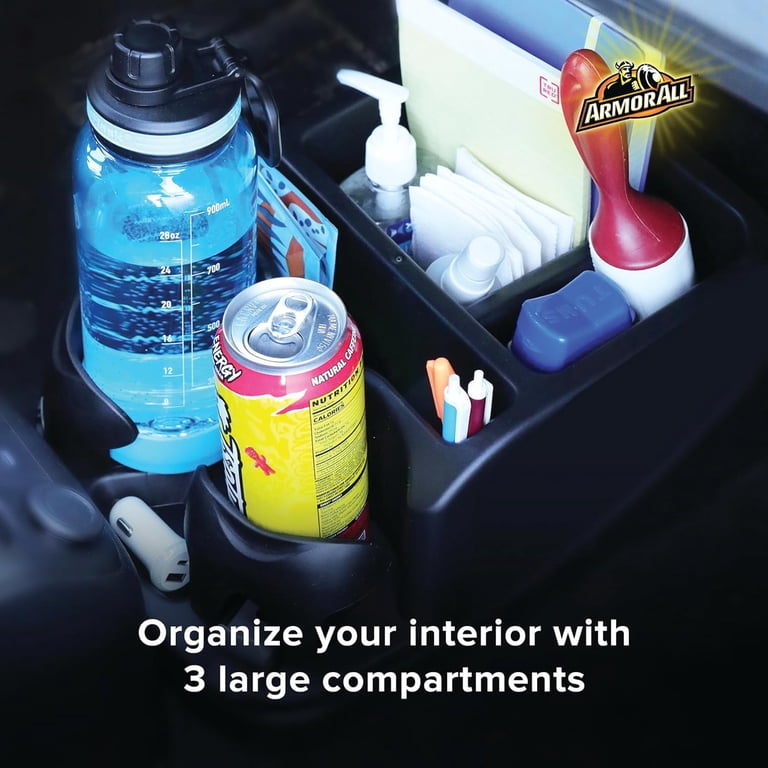
Vehicle-specific tips
Sedans
- Use the trunk for large bottles when possible.
- Place bottles in crates and strap to anchor points.
- Keep heavier items low and near the wheelbase.
SUVs and crossovers
- Use cargo tie-downs and nets in the cargo area.
- Consider sliding the rear seats forward to wedge bottles for added support.
- Use cargo covers to hide valuables while securing bottles.
Pickup trucks
- Use bed dividers or ratchet straps to anchor bottles.
- Place bottles in sealed crates to prevent contamination.
- If hauling flammable containers, keep them upright and secured to the cab wall.
Vans and small trucks
- Install floor anchors for long-term hauling.
- Use bulkhead or tension rods to create secure zones.
- For repeated transport, consider permanent cargo bars and straps.
Adapting these tips to your vehicle helps you master how to secure large bottles in a car for any trip.
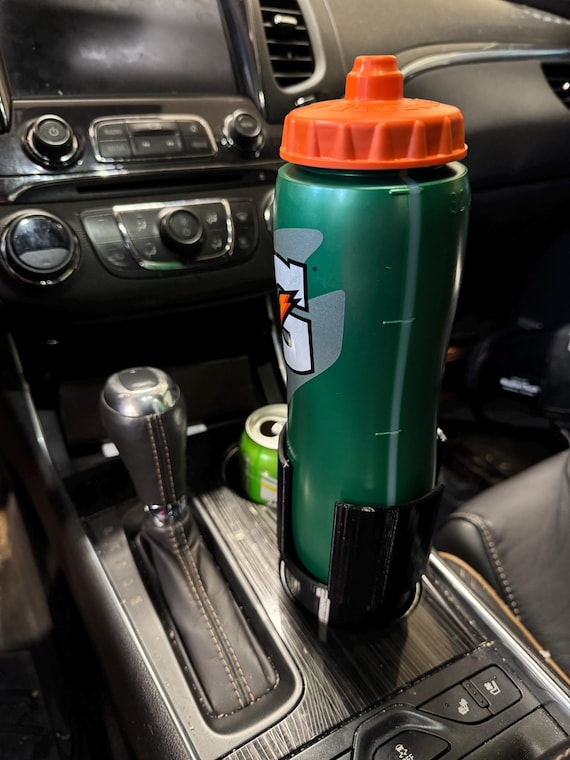
Maintenance, legal, and safety tips
Inspect bottles and gear before each trip. Check for cracks, leaks, and weak straps. Replace damaged straps or nets immediately.
Label hazardous contents and keep them upright. For chemicals or fuel, use approved containers and follow transport guidelines. Do not leave pressurized tanks in direct sunlight or closed hot cars for long periods.
In an accident, unsecured bottles can cause severe injuries. Always secure bottles before you drive, even for short trips. My rule: if it can roll, it must be anchored.
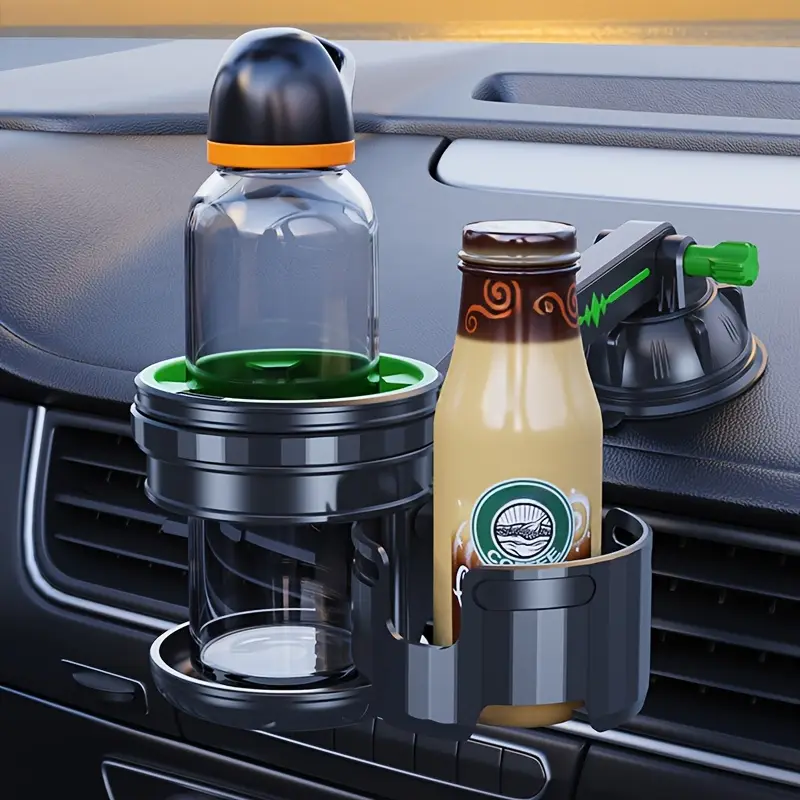
Frequently Asked Questions of How to secure large bottles in a car
How can I stop a water jug from rolling in my trunk?
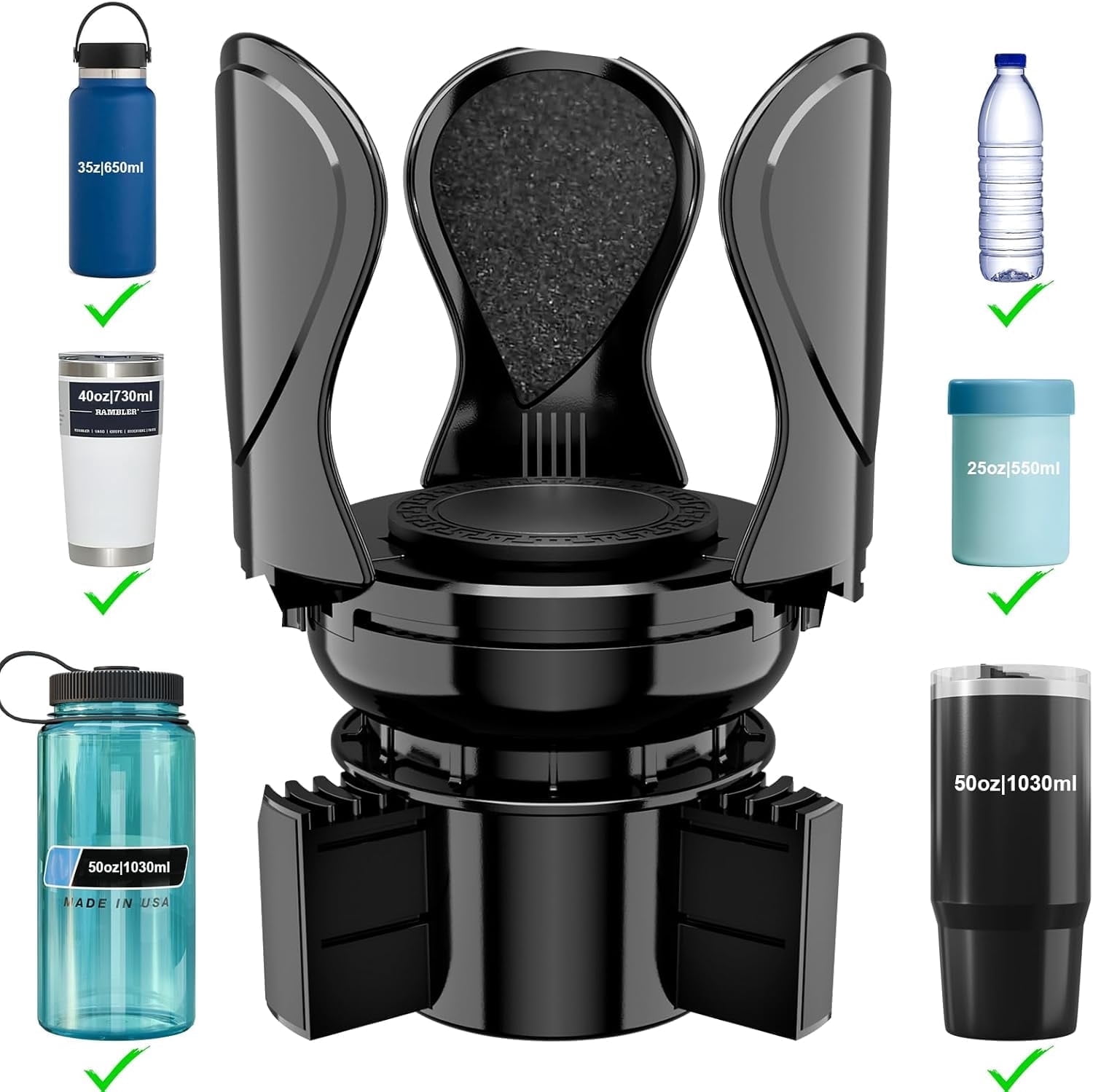
Place it in a crate or cup holder, and surround it with towels or foam. Use the trunk’s tie-down straps or a seat belt to anchor the crate.
Are cargo nets safe for heavy bottles?
Yes, cargo nets are safe when used with proper anchor points and combined with padding. Ensure the net is rated for the weight and is tightly secured.
Can I transport propane or gas cans with regular methods?
No. Pressurized or flammable containers require approved containers and extra care. Follow local regulations and keep them upright and ventilated.
How many straps do I need for one large bottle?
One strong strap plus a non-slip base is usually enough for short trips. For long trips or heavy bottles, use two straps at different heights.
Will pool noodles really help secure bottles?
Yes. Pool noodles create a snug, shock-absorbing barrier that prevents tipping. They’re an inexpensive and effective padding option.
Conclusion
Securing large bottles in a car protects people, cargo, and your vehicle. Use crates, straps, cargo nets, and padding. Inspect gear and follow safety rules for hazardous contents. Start by securing one bottle correctly today and build a simple kit for future trips. If this guide helped, try these methods on your next drive and share your experience or questions below.