Use a tire gauge and an air pump, then inflate each tire to the PSI listed on your vehicle placard.
I’ve fixed flat-feeling rides and avoided costly damage by learning how do i inflate my car tires the right way. This guide walks you through tools, exact steps, safety tips, and troubleshooting. Read on for clear instructions you can use at home or at the station, plus real-world tips from my experience working on cars.
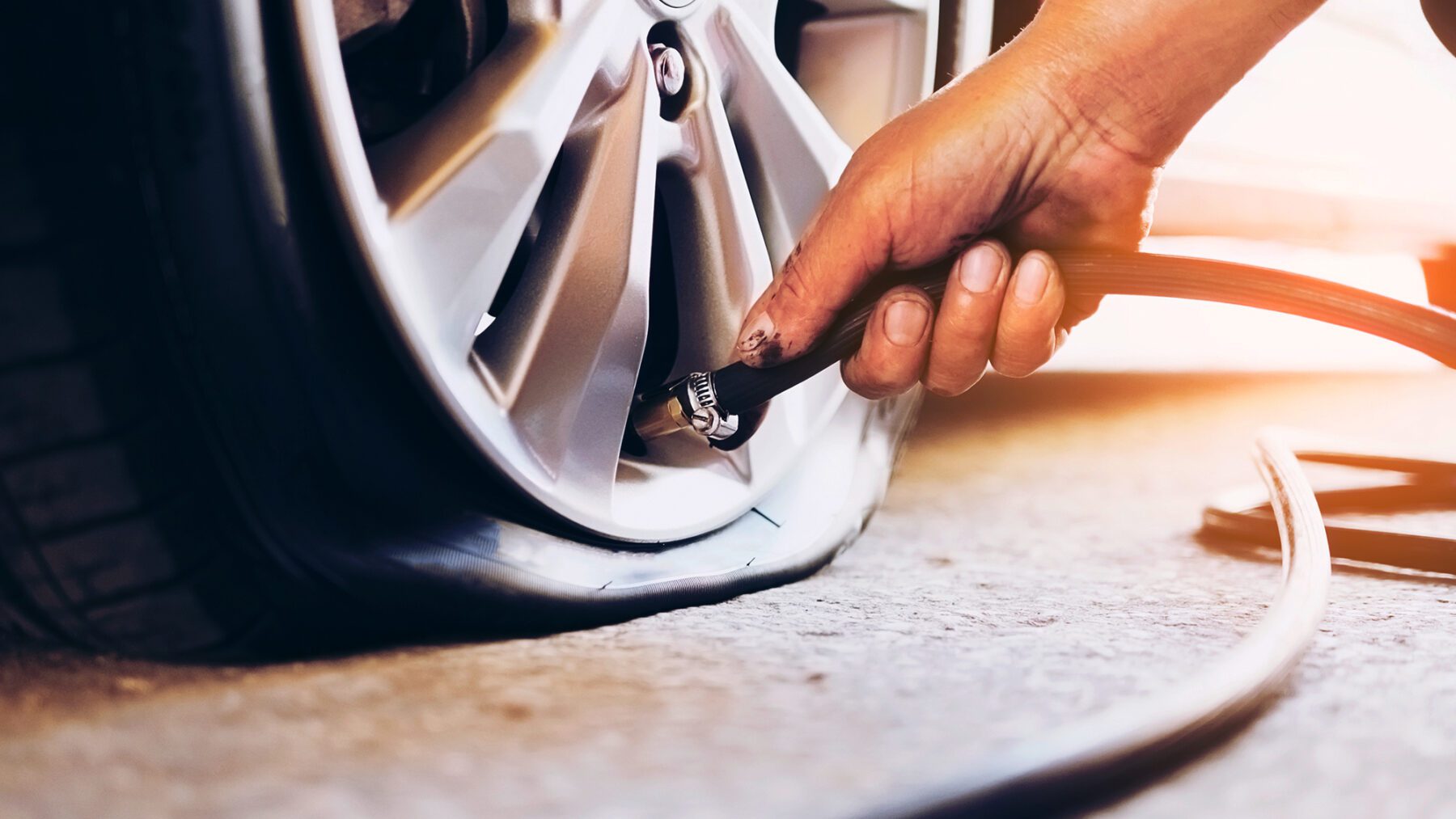
Why proper inflation matters
Underinflated or overinflated tires change how your car handles. Low pressure increases wear, reduces fuel economy, and can cause heat build-up that leads to tire failure. Overinflation reduces traction and makes the ride harsh.
Knowing how do i inflate my car tires correctly helps you stay safe. It also saves money on fuel and extends tire life. Small checks prevent big problems.
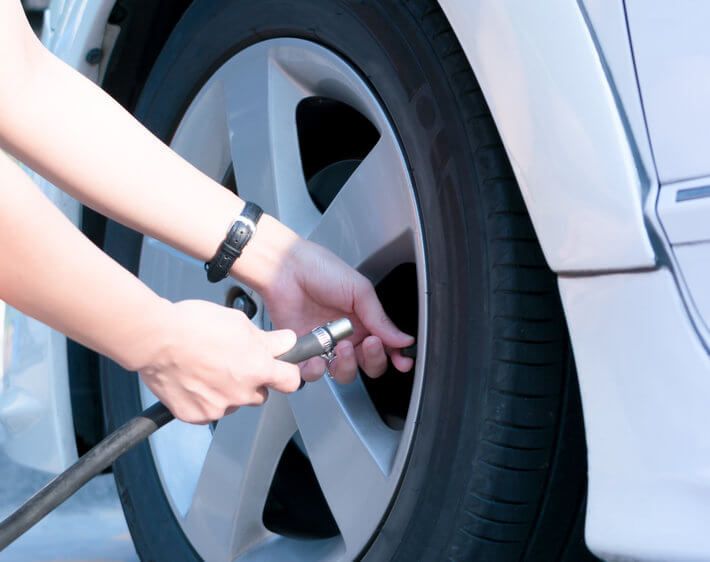
What you need to inflate tires
Use simple tools you likely already own or can buy cheaply. Gather these before you start.
- Tire pressure gauge. Digital or dial gauges work well.
- Air pump or compressor. Options include portable pumps, shop compressors, or gas station units.
- Vehicle placard or owner’s manual for recommended PSI.
- Valve stem tool and a cap-safe holder. Caps keep dirt out.
- Soapy water in a spray bottle (for leak checks).
I always keep a small digital gauge and a compact inflator in the trunk. That made it easy when I was stranded on a cold morning. Knowing how do i inflate my car tires is easier when you have the right gear.
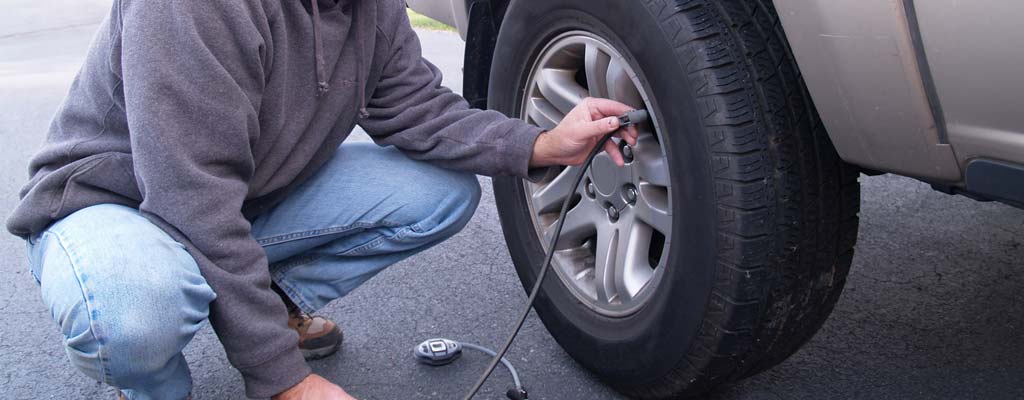
Step-by-step guide: how do i inflate my car tires
Follow these steps for accurate, safe inflation. Do this when tires are cold for best results.
- Find the recommended PSI.
- Look on the driver’s door placard or in the owner’s manual. Do not use the number on the tire sidewall.
- Check tire pressure with a gauge.
- Remove valve cap. Press the gauge firmly onto the valve stem. Read the number.
- Compare and decide.
- If pressure is below recommended PSI, you need to add air. If above, release some.
- Add air in short bursts.
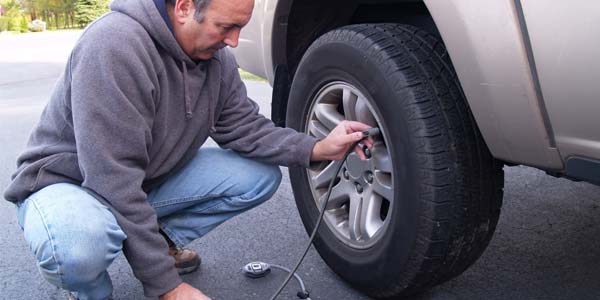
- Attach the pump. Inflate in 5- to 10-second bursts. Re-check with the gauge between bursts.
- Fine-tune and cap the valve.
- When the reading matches the placard, remove the pump and replace the cap.
Practice makes this fast. When I started, I overinflated a tire once. I learned to check often while adding air. That tip avoids surprises when learning how do i inflate my car tires.
Common mistakes and safety tips
Avoid these frequent errors when you learn how do i inflate my car tires.
- Relying on the tire sidewall PSI.
- That number is the maximum, not the vehicle’s recommended value.
- Inflating when tires are hot.
- Heat raises pressure. Check when the car has been parked for a few hours.
- Not checking the spare.
- Spares are often neglected. Keep it at correct PSI.
- Forgetting valve caps.
- Caps protect the stem from dirt and leaks.
Safety tip: Don’t overinflate. Tires can burst under too much pressure. If a tire shows visible damage or sidewall bulges, do not inflate it — call a professional.

How often and when to check tire pressure
Check pressure at least once a month and before long trips. Seasonal shifts matter because air pressure drops with cold weather and rises with heat.
I check my car at the start of each month and after a sudden temperature change. This habit keeps me from driving on underinflated tires and answers the frequent question of how do i inflate my car tires before a long trip.

Tools compared: portable pumps, gas station air, and electric compressors
Each tool fits different needs. Choose based on speed, cost, and convenience.
- Portable hand pump
- Cheap, small, good for emergencies. Takes longer.
- Electric 12V inflator
- Fast and portable. Plugs into the car and often has an automatic shutoff.
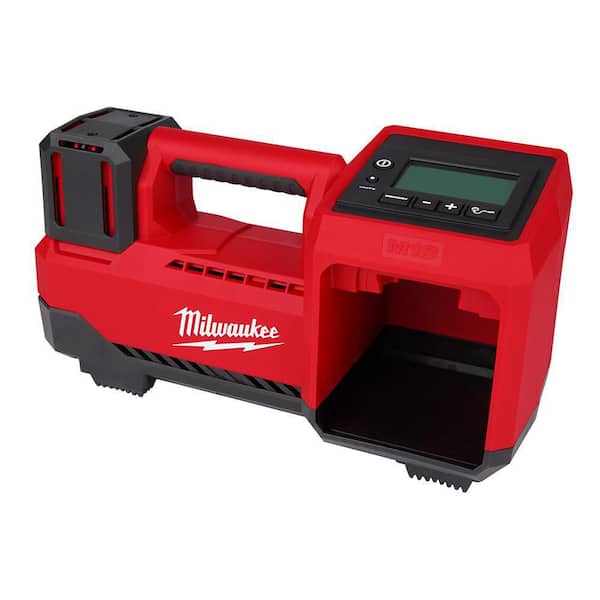
- Cordless battery inflator
- Portable and quick. Good balance between speed and convenience.
- Station air compressor
- Fast and powerful. Often free or inexpensive at gas stations, but gauge accuracy varies.
From experience, a small 12V inflator paid for itself by making how do i inflate my car tires fast and easy during cold mornings.

Troubleshooting: what if a tire won't hold air?
If a tire loses pressure quickly, take these steps.
- Inspect the valve stem.
- Spray soapy water around the valve. Bubbles mean a leak.
- Check the tread and bead.
- Look for nails or cuts. Embedded objects can seal until the object moves.
- Monitor over time.
- Mark the valve position and record pressure. Slow leaks need repair.
- Seek professional repair or replacement if needed.
- Avoid temporary fixes for serious damage.
I once drove with a slow leak for weeks before noticing. Lesson learned: check pressure more often and address leaks promptly. Knowing how do i inflate my car tires helps, but fixing holes matters more.
People also ask
What PSI should I inflate my tires to?
Use the PSI listed on your vehicle’s door placard or owner’s manual. The sidewall number is the tire’s maximum, not your target.
Can I inflate my tires at a gas station?
Yes. Use a reliable gauge to verify the pump reading. Inflate in short bursts and re-check pressure.
How long does it take to inflate a tire?
With a portable 12V pump, expect 3 to 10 minutes per tire depending on pump power and how low the tire is.

Frequently Asked Questions of how do i inflate my car tires
How do I find the correct tire pressure?
Check the sticker on the driver’s door jamb or your owner’s manual for the recommended PSI. That is the target number you should use.
Can I overinflate my tires if they feel soft?
Yes. Overinflation can reduce grip and cause uneven wear. Inflate to the recommended PSI, not higher.
Is it okay to use the air pump at a gas station?
Yes. Many gas station pumps work fine. Always verify pressure with your own gauge afterward.
Should I check tire pressure when tires are hot?
No. Check when tires are cold for the most accurate reading. Hot tires show higher pressure due to temperature.
What if my tire keeps losing pressure after inflation?
Look for punctures, valve leaks, or bead damage. If the leak is slow, get a professional repair as soon as possible.
How do I inflate the spare tire?
Treat the spare like regular tires. Check its PSI and inflate to the recommended level in the owner’s manual or on the spare’s label.
Will inflating tires improve fuel efficiency?
Yes. Properly inflated tires reduce rolling resistance and can improve fuel economy. Low pressure wastes gas over time.
Conclusion
Mastering how do i inflate my car tires keeps you safe, saves money, and extends tire life. Gather a good gauge, choose the right pump, check pressure monthly, and follow simple steps to inflate correctly. Start a quick habit today: check one tire now and then do the rest.
Try these tips on your next drive. Share your experiences, ask questions, or subscribe for more practical car-care guides.