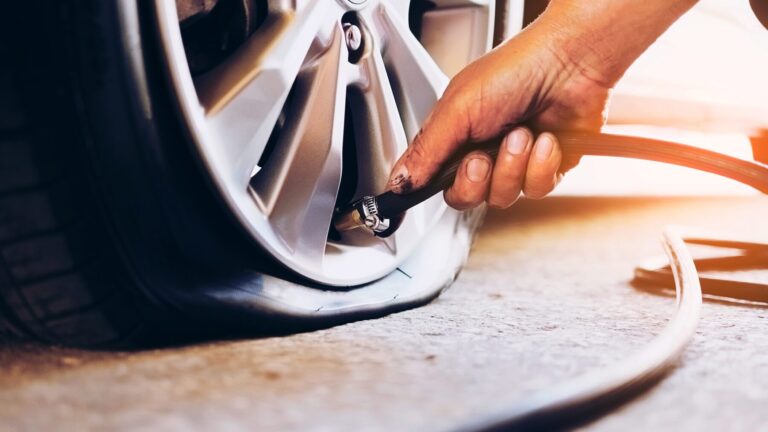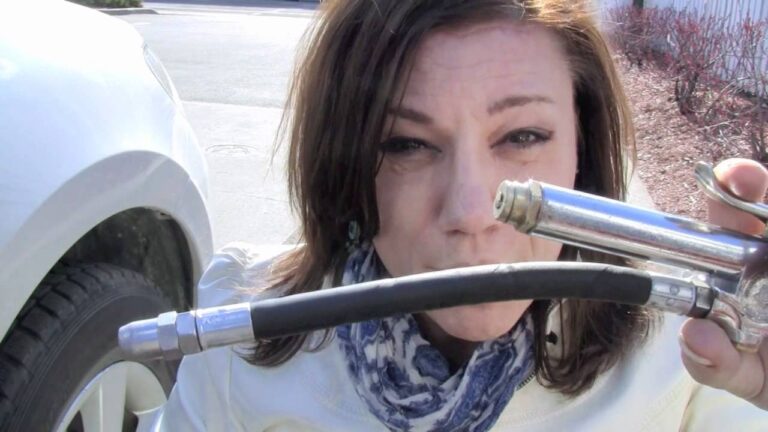
Connect the hose, set the desired PSI, and inflate until the gauge reads the target pressure.
I have used and tested Craftsman inflators for years. I know how to use Craftsman tire inflator safely and well. This guide walks you through each step. You will learn setup, operation, safety checks, and cleaning. I share real tips from my hands-on experience. Read on to gain confidence and avoid common mistakes when you use Craftsman tire inflator.
How the Craftsman Tire Inflator Works
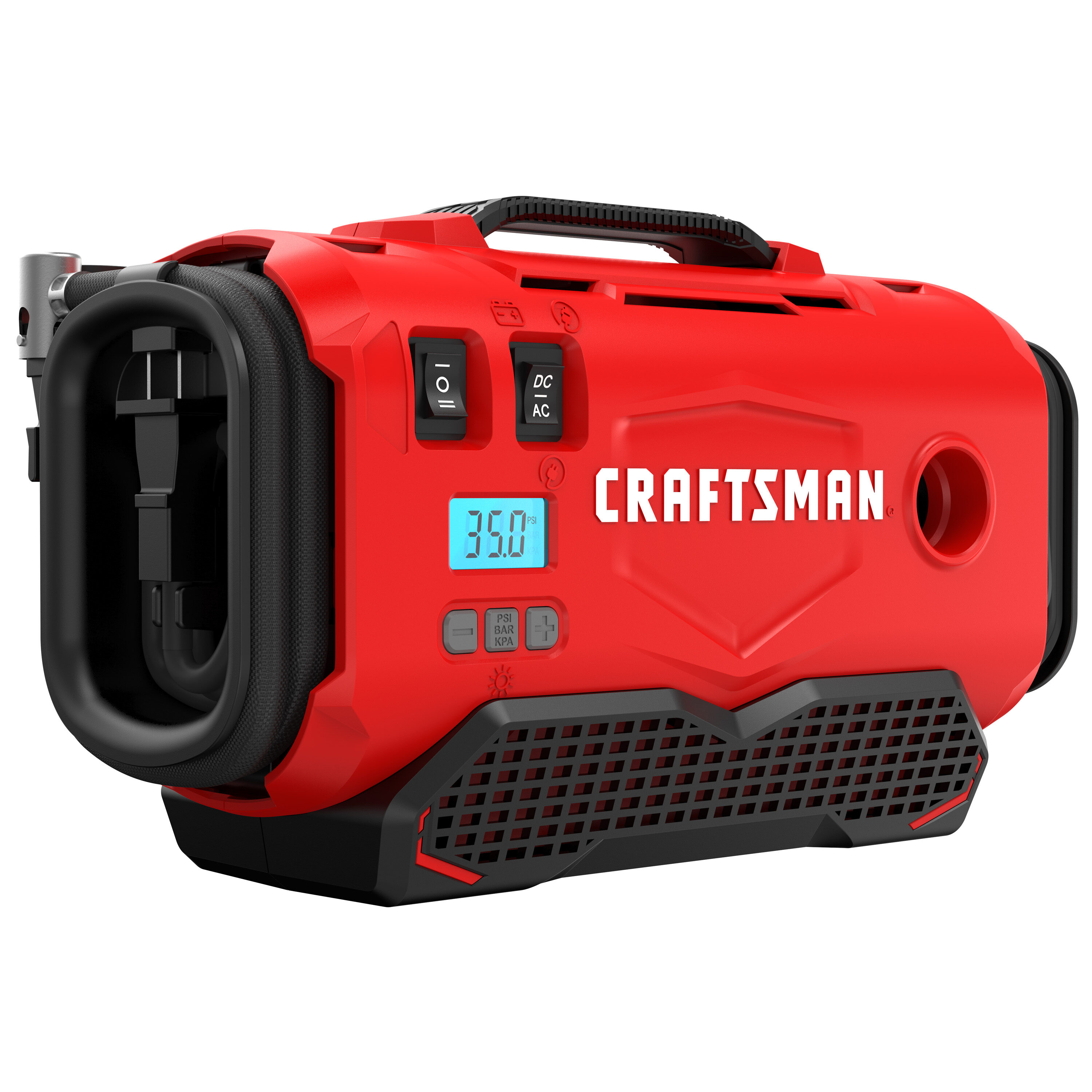
A Craftsman tire inflator pumps air into a tire using an electric motor or a portable compressor. The unit draws in air and compresses it. A pressure gauge shows current PSI. You attach the inflator to the tire valve and start the unit. Many models include an auto-shutoff or digital preset feature for accuracy.
Key parts you will see:
- Air hose with a valve chuck for the tire stem.
- Pressure gauge or digital display.
- Power cord or battery pack.
- On/off switch and pressure preset (on some models).
Understanding these parts helps you learn how to use Craftsman tire inflator with ease.
Preparing to Use Craftsman Tire Inflator
Safety and prep make the job quick and accurate. Follow simple checks before you start.
Steps to prepare:
- Park on level ground and set the parking brake.
- Check the tire valve stem for damage.
- Verify the inflator has the right power source or fully charged battery.
- Know the recommended PSI for your tire (check the door placard or owner’s manual).
I once tried to inflate tires with a weak battery. The inflator slowed, and the pressure reading was off. Learn from that: always start with a good power source. Preparing correctly ensures you use Craftsman tire inflator safely and avoid underinflation or overinflation.

Step-by-Step: How to Use Craftsman Tire Inflator
This clear sequence works for most Craftsman models. Follow each step slowly the first few times.
- Gather tools and safety gear.
- Turn the unit off and attach the valve chuck to the tire stem.
- If your model has a preset, set the target PSI.
- Plug in power or insert battery. Turn the unit on.
- Watch the gauge. Hold the chuck in place if the chuck is manual.
- When the gauge reaches the target, turn off the inflator and remove the chuck.
- Re-cap the valve stem and store the inflator.
Tips from my tests:
- For small leaks, press the chuck firmly to avoid air loss.
- If the gauge lags, pause and let the pressure settle before turning off.
Repeat these steps until you feel confident about how to use Craftsman tire inflator.
Maintenance and Safety for Craftsman Tire Inflator
Good care keeps the inflator working well for years. Regular checks prevent failures.
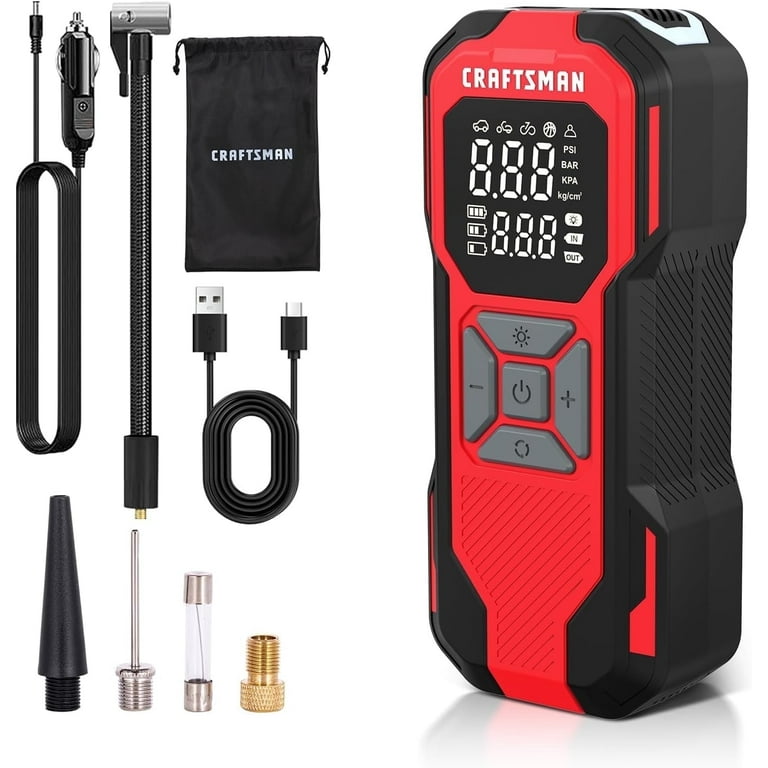
Maintenance tasks:
- Wipe the unit clean after use.
- Inspect the hose for cracks or wear.
- Store in a dry, cool place to protect the motor and electronics.
- Replace filters or parts as the manual suggests.
Safety tips:
- Never exceed the tire’s maximum PSI.
- Avoid inflating tires when they are very hot from driving. Let them cool.
- Use hearing protection for long use, as some models can be loud.
From my experience, skipping hose inspection led to a slow leak during a trip. That taught me to inspect the hose each time I use Craftsman tire inflator.

Troubleshooting Common Issues
You can fix most problems quickly with simple checks.
Problem checks:
- If the inflator won’t start, check power, fuse, and battery charge.
- If the pressure creeps down, check the valve stem and chuck seal for leaks.
- If the gauge reads erratically, let the unit cool and test again.
Quick fixes:
- Tighten or replace a worn chuck.
- Use a thread sealant for valve core leaks, if safe for your valve type.
- Reset digital units by powering off and on.
These steps will help when you run into trouble while learning how to use Craftsman tire inflator.

Benefits and Limitations of a Craftsman Tire Inflator
Knowing both helps you pick the right tool and use it well.
Benefits:
- Fast inflation for car and bike tires.
- Portable models are easy to store and carry.
- Digital presets provide accurate inflation.
Limitations:
- Small units may not inflate large truck tires quickly.
- Battery models depend on charge and can run out mid-task.
- Some models lack advanced features like automatic shutoff.
Choose a model that fits your needs and practice how to use Craftsman tire inflator to get the best results.

Personal Experience and Practical Tips
I have used several Craftsman inflators at home and on trips. Small habits improved my results.
What helped me most:
- Always set desired PSI before turning on the unit. This prevents overfilling.
- Use a tire pressure gauge to cross-check the readout after inflation.
- Carry a small repair kit for quick valve or chuck fixes.
A practical example: once on a cold morning, my preset failed due to battery drain. I used a handheld gauge and finished manually. That taught me to carry a backup gauge whenever I use Craftsman tire inflator.

Frequently Asked Questions of how to use craftsman tire inflator
How do I set the target PSI on a Craftsman inflator?
Most digital Craftsman models have buttons to set PSI. Press the up or down buttons to your desired PSI, then start the unit.
Can I use a Craftsman inflator on bike tires?
Yes. Use the correct nozzle or adapter for bike valve stems. Inflate slowly and check pressure often.
Is it safe to leave the inflator running unattended?
No. Always monitor the inflation and stay nearby. Some models have auto-shutoff, but manual oversight is safer.
How often should I check the inflator hose for damage?
Check the hose before each use. Replace the hose if you see cracks, kinks, or leaks to avoid failure.
Why does the gauge give a different reading than my handheld gauge?
Differences arise from calibration or location of measurement. Let the pressure settle and recheck with both gauges for consistency.
Conclusion
You can learn how to use Craftsman tire inflator quickly with clear steps and simple care. Start by preparing the unit and your tire. Follow the step-by-step guide and keep safety in mind. Practice will build speed and confidence.
Take action now: check your model, read the manual, and try inflating one tire while parked. Share your experience or questions below, and subscribe to get more hands-on tips and updates.