You can inflate a tire without a pump using CO2 cartridges, canned air, or a gas-station air hookup.
I’ve worked on cars and bikes for years, and I’ll walk you through practical, safe, and tested ways to inflate a tire without a pump. This guide covers clear step-by-step methods, safety checks, real-world tips, and what to avoid so you can handle low air pressure fast and confidently. Read on to learn how to inflate a tire without a pump, when each method makes sense, and which tools give you the best backup on the road.

Why you might need to inflate a tire without a pump
Low air can happen anytime. A slow leak, a puncture, a forgotten maintenance check, or a long ride can leave you stranded. Knowing how to inflate a tire without a pump gives you options when a hand or electric pump is not available.
Common reasons to seek alternatives include:
- Small punctures that let air out slowly.
- No portable pump in your vehicle or bike pack.
- Emergencies far from help.
- Quick temporary fixes to reach a service station.
Understanding simple alternatives helps you act safely. I will explain pros, cons, and real steps for each method. This helps you pick the right option for how to inflate a tire without a pump today.

Safe methods to inflate a tire without a pump
Below are safe and practical methods to inflate a tire without a pump. Each method fits a different situation and tire type.
CO2 cartridge inflator
- What it is: A small metal cartridge with compressed CO2 and a threaded head that fits a valve.
- Steps: Attach cartridge to inflator head, secure to valve, release gas in short bursts, check pressure.
- Pros: Fast, portable, works well for bike and small car tires.
- Cons: One-time use per cartridge. CO2 can leak faster than air. Carry a pressure gauge.
- Best for: Bikes, emergency car top-ups, short rides to a shop.
Canned compressed air (computer duster)
- What it is: A can of compressed air used for electronics. Some cans can lightly inflate small tires.
- Steps: Use an adapter or carefully fit nozzle to valve stem, spray in short bursts, monitor pressure carefully.
- Pros: Common and lightweight.
- Cons: Not designed for tires—low volume and quick cooling can lower pressure. Not reliable for full inflation.
- Best for: Very small inflations like bike tires in a pinch.
Gas-station air compressor with adapter
- What it is: Gas stations have high-flow air compressors. Use a valve adapter if needed.
- Steps: Remove valve cap, attach adapter/host, fill in short intervals, check PSI with gauge, avoid overfill.
- Pros: High volume, fast, and precise when monitored.
- Cons: Many coin-operated units lack a working gauge or shutoff. Valve adapters may be needed for some bikes.
- Best for: Cars and larger tires when you can reach a station.
Tire sealant and inflator cans
- What it is: Aerosol sealant that injects a foam to seal small punctures while adding pressure.
- Steps: Follow instructions on the can: shake, connect to valve, inject, then drive short distance to distribute sealant.
- Pros: Seals small punctures and adds air in one step.
- Cons: Temporary fix. Sealant can harm some tire pressure monitoring systems or require tire shop cleanup.
- Best for: Quick temporary repairs to reach a shop.
Mouth inflation (only for emergency, small tires)
- What it is: Blowing air into a tire with your mouth.
- Steps: Remove valve cap, use an adapter or glove to form a seal, blow in short breaths, check pressure.
- Pros: No tools needed.
- Cons: Slow, unsanitary, inefficient, and not practical for car tires. Risk of hyperventilation.
- Best for: Very small bike tires in absolute emergencies only.

Step-by-step: using a CO2 inflator to inflate a tire without a pump
CO2 inflators are compact and effective. Here is a clear step-by-step for safe use.
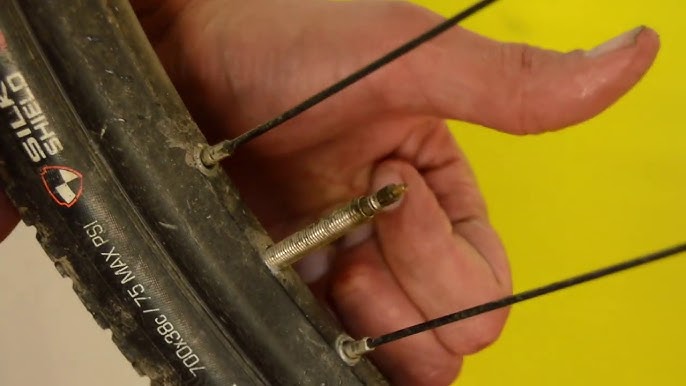
- Check tire and valve type. Use a removable valve core for Presta; use Schrader for car valves.
- Remove valve cap and depress briefly to clear debris.
- Attach the inflator head to the valve stem and hold firmly.
- Release CO2 in short bursts. Watch the pressure with a gauge every 5–10 seconds.
- Stop when you reach target PSI. Tighten valve and replace cap.
- Store used cartridges safely and carry an extra if you expect more repairs.
Safety tips:
- Wear gloves and avoid skin contact with the cartridge; it gets cold.
- Do not overinflate. Follow the tire sidewall or vehicle placard PSI.
- Use a separate pressure gauge for accuracy.

Quick DIY options and simple hacks
Some DIY methods work short-term but have limits. Use them only to reach a repair shop.
-
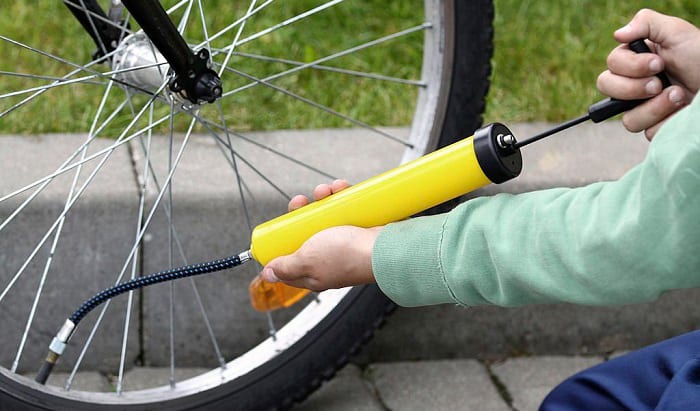
DIY bottle pump for bike tires
- Cut a plastic bottle and install one-way valves to push air into a tire by squeezing the bottle.
- Pros: Low-tech and inexpensive.
- Cons: Slow and often ineffective for car tires.
-
Using a car’s exhaust heat to expand trapped air (not recommended)
- Avoid this. It is unsafe and can overheat the tire or damage parts.
-
Using a foot or hand object as a makeshift pump
- You can compress air in a sealed container with a valve and force it into a tire. This takes skill and carries risk.
These hacks can help in a pinch. They are not replacements for proper tools. When you learn how to inflate a tire without a pump using DIY methods, know their limits and risks.
Safety tips and common mistakes
Safety keeps you moving and prevents bigger damage. Avoid these errors.
- Do not overinflate to compensate for leaks.
- Avoid inflating a tire with visible sidewall damage or large rips.
- Use a pressure gauge; built-in tools may be inaccurate.
- Keep your hands and skin away from cold CO2 cartridges.
- Do not rely on canned air as a long-term solution.
- Replace temporary sealants at a shop as soon as possible.

When not to attempt inflating without a pump
Some problems need professional help. Do not try improvised inflation if:
- The tire has a large cut, bulge, or shredded sidewall.
- The bead is separated from the rim.
- You smell burning or see smoke.
- The vehicle’s handling feels unstable after temporary inflation.
In these cases, call roadside assistance or move to a safe spot and wait for help.

Tools to keep in your car for emergencies
A smart emergency kit helps you handle low air without a pump. Keep these items:
- CO2 cartridges and a small inflator head
- Tire sealant can (temporary use)
- Tire pressure gauge (digital or stick)
- Valve core tool and spare valve cores
- Gloves, flashlight, and reflective triangle
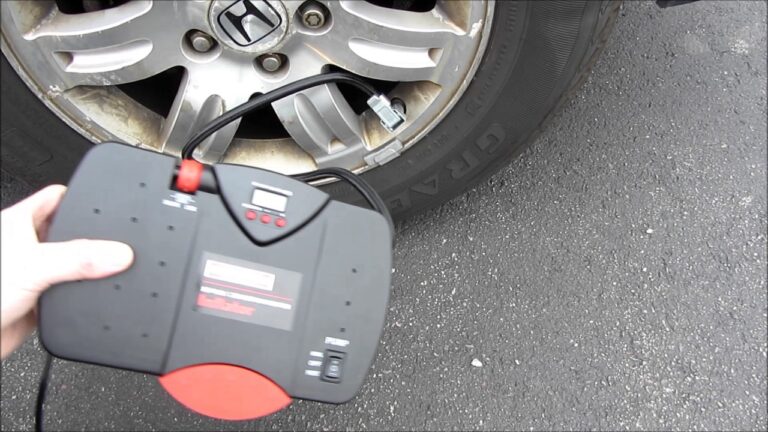
- Portable jump starter that may include an air compressor (check it’s not just a battery)
Carry these tools and you reduce the need to know exactly how to inflate a tire without a pump in a panic.
Personal experience and lessons learned
Years ago, I had a slow leak on a bike ride miles from the nearest shop. I used a CO2 cartridge and a small gauge to get home. Lesson learned: check PSI often and carry spare cartridges. Once, I tried canned air on a car tire; it barely moved the needle. That taught me to treat canned air as a true last resort. Over time, I found that a small CO2 inflator, a sealant can, and a basic gauge cover most emergencies. Simple tools beat clever hacks in stressful moments.
Frequently Asked Questions of how to inflate a tire without a pump
What is the fastest way to inflate a tire without a pump?
Using a CO2 cartridge is the fastest method for bikes and quick car top-ups. Gas station compressors are fast for larger tires if you can reach one.
Can I use canned air from a computer duster to inflate a tire?
You can for very small inflations, but canned air has low volume and cools rapidly. It is not reliable for full inflation of car tires.
Is mouth inflation safe for car tires?
Mouth inflation is not safe or practical for car tires due to low pressure and health risks. It may work only for tiny bike tires in emergencies.
Will tire sealant damage my car’s tire pressure sensor?
Some sealants can affect tire pressure monitoring systems. Many modern sealants are labeled safe, but always check instructions and inform your tire shop when you have sealant inside a tire.
How many CO2 cartridges do I need to inflate a car tire?
One small CO2 cartridge is usually not enough for a full car tire. Car tires need a large volume of air, so expect to use multiple cartridges or use a larger inflator system.
Conclusion
Knowing how to inflate a tire without a pump gives you options and confidence in roadside situations. Use CO2 cartridges, gas-station air, or temporary sealants depending on the tire size and urgency. Always check pressure, follow safety rules, and treat improvised fixes as temporary. Equip your vehicle with a few key tools and practice using them so an unexpected flat does not ruin your day. Try one tip from this guide, pack a small CO2 inflator, and leave a comment about your own experience or questions — I’d love to hear how these methods work for you.