Use a pump, check the valve type, set the right PSI, and inflate until the tire reaches the recommended pressure.
I have helped drivers, cyclists, and DIYers learn how to inflate a tire with a pump safely and correctly. This guide covers the tools you need, step-by-step instructions, pump types, PSI basics, troubleshooting, and real-life tips I learned from roadside fixes and weekend bike builds. Read on to gain clear, reliable skills so you can inflate a tire with a pump with confidence.

What you need before you start
Before you inflate a tire with a pump, gather the right tools. You need a pump that fits the valve, a pressure gauge, and a tire pressure recommendation. Check the tire sidewall or vehicle placard for the correct PSI and inspect the valve and tread for damage. Follow these steps to save time and avoid mistakes.

Types of pumps and when to use them
Different pumps work better for different tires and situations. Choose the right pump before you inflate a tire with a pump.
- Floor pumps with a gauge
- Best for car and bike tires at home. They move air fast and give accurate pressure.
- Portable hand pumps
- Good for bike rides and emergencies. They are light but take more effort.
- CO2 inflators
- Fast for road bikes and short fixes. They need cartridges and can overinflate if you’re not careful.
- Electric and cordless inflators
- Good for cars and SUVs. They auto-stop at set PSI on many models.
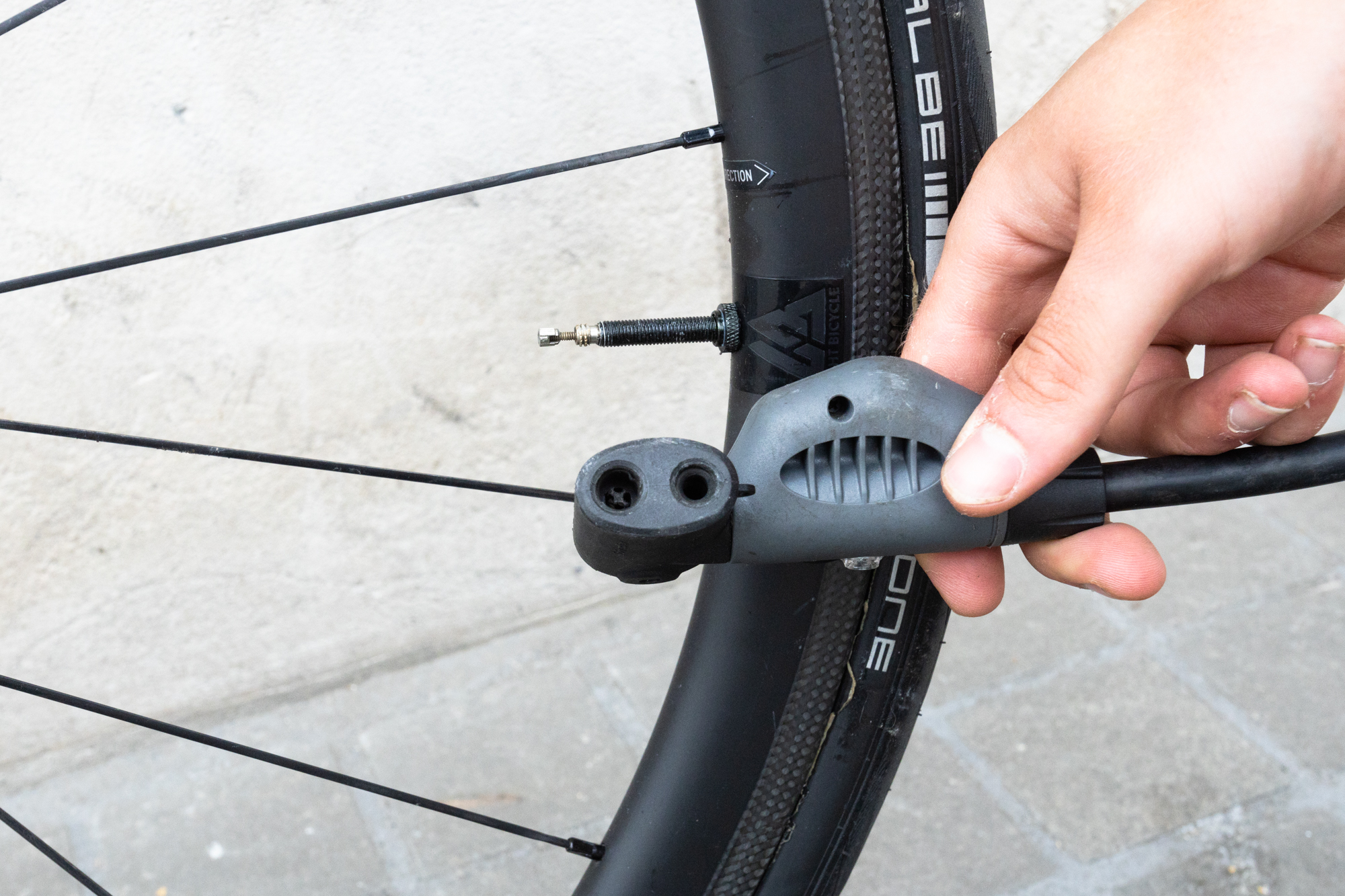
Know your valve type. Presta valves are common on many bikes and need a different head than Schrader valves found on cars and some bikes. This matters when you inflate a tire with a pump.
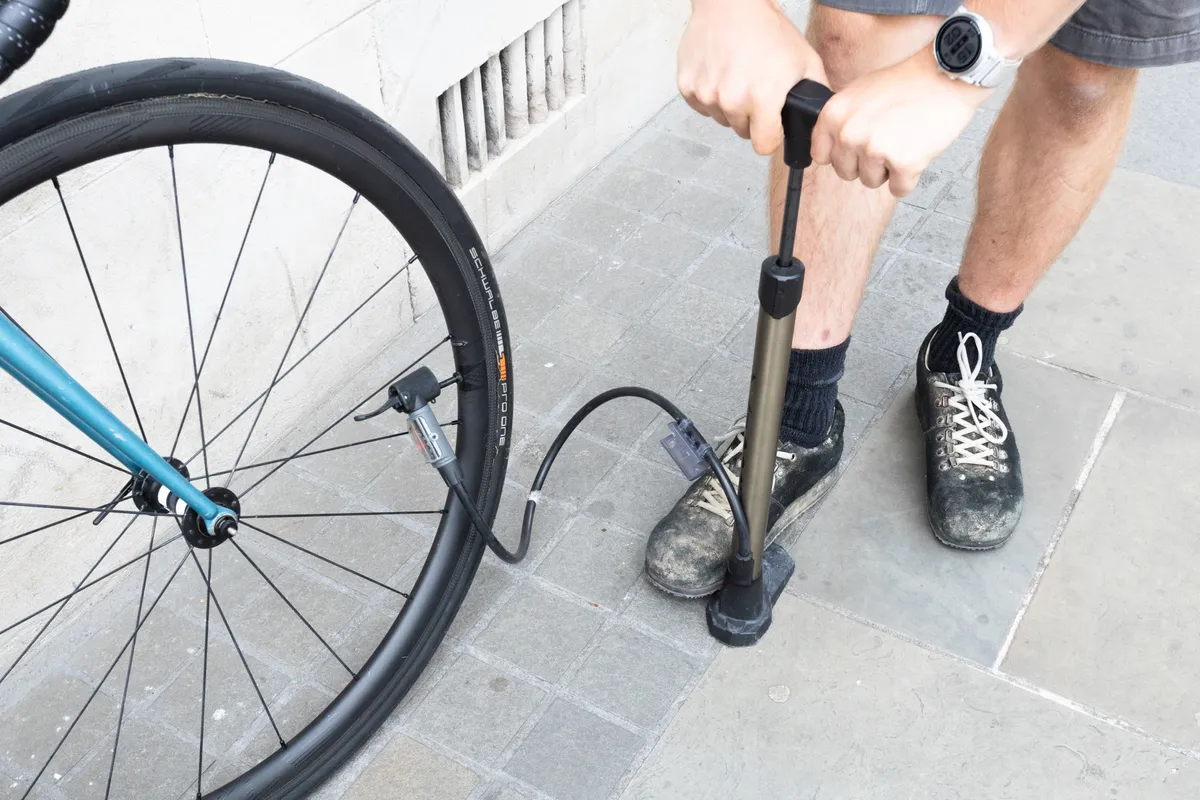
How to inflate a tire with a pump — step-by-step
Follow these simple steps to inflate a tire with a pump correctly.
- Check the recommended PSI
- Find the recommended pressure on the tire sidewall or vehicle door placard. This tells you how to inflate a tire with a pump safely.
- Inspect the tire and valve
- Look for cuts, bulges, or foreign objects. Make sure the valve stem is straight and not leaking.
- Remove the valve cap and select the pump head
- Unscrew the cap and match the pump head to the valve type. For Presta valves, loosen the small nut at the top first.
- Attach the pump securely
- Push or thread the pump head onto the valve and lock it in place. A loose fit will let air escape.
- Pump in short, steady strokes
- Use smooth strokes and check the gauge often. Stop to read the pressure and avoid overinflation.
- Detach and check the valve
- Remove the pump quickly and screw the valve cap back on. Re-check the pressure after a short drive or ride.
- Fine-tune if needed
- Add or release small amounts of air to hit the exact PSI. For cars, aim for the exact figure; bikes often have a range.
If you follow these steps, you will easily learn how to inflate a tire with a pump and keep the tire safe and efficient.

Understanding PSI, tire pressure, and safety
PSI stands for pounds per square inch. It measures the air pressure inside the tire. Proper PSI affects fuel economy, tire wear, handling, and comfort. Overinflation can make a ride harsh and reduce contact with the road. Underinflation causes heat build-up and faster wear.
- Find the right number
- Use the tire sidewall or vehicle placard for cars. For bikes, check the rim and tire label.
- Check cold pressure
- Measure when tires are cold for accurate results. Driving heats tires and raises pressure.
- Re-check regularly
- Check pressure monthly for vehicles and before each long ride for bikes.
Knowing PSI helps you inflate a tire with a pump to the right level every time.

Common problems and troubleshooting
Problems happen. Here are quick fixes when you inflate a tire with a pump and something goes wrong.
- Pump head won’t fit the valve
- Use the correct adapter or swap heads. For Presta valves, loosen the valve tip first.
- Air leaks while pumping
- Ensure the head is sealed and the valve core is tight. Replace cracked valve stems.
- Gauge shows no change
- Test the gauge on another tire. Replace or calibrate faulty gauges.
- Tire won’t hold pressure
- Look for punctures, faulty valve cores, or bead seating issues. Repair or replace as needed.
When I fixed a flat on a wet roadside, the pump head was loose. A quick switch to a better-fitting head solved it and saved time.

Maintenance and safety tips
Keep your pump working and stay safe while you inflate a tire with a pump.
- Keep the pump clean
- Wipe dust off and store in a dry place.
- Check seals and hoses
- Replace cracked hoses or worn seals to avoid leaks.
- Use a reliable gauge
- A built-in gauge is convenient. A separate digital gauge is often more accurate.
- Avoid overinflation
- Set a maximum target and watch the gauge closely.
- Carry essentials
- For rides, bring a small pump, patch kit, and multi-tool.
These habits help you inflate a tire with a pump reliably and safely.
Personal experience and practical tips
I’ve inflated dozens of car and bike tires across towns and trails. My best tip is to practice with a friend’s bike or your spare tire at home. That builds muscle memory. Here are some practical notes I learned.
- Mark PSI on the pump
- Write your common PSI on the pump for quick reference.
- Use your knee for leverage
- Put the pump on firm ground and lean to get smooth strokes.
- Inflate in batches
- Pump for a few strokes, then read the gauge. This prevents overwork and error.
- Keep a small floor pump in the garage
- It speeds up car top-ups and bike prep.
Mistakes I made include not checking valve type and overinflating a bike tire using a car pump. Those taught me to slow down and verify.
When to use a pump vs. other inflators
Pumps are great for control and accuracy. They are best for home, bikes, and controlled inflation. CO2 inflators and compressors are faster but may overinflate if you’re not careful. Use a pump when you want to inflate a tire with a pump precisely and safely.
- Use a hand or floor pump for regular topping up.
- Use CO2 sparingly for emergency repairs.
- Use an electric inflator for large tires or when you need hands-free operation.
Choosing the right tool helps you get the job done right.

Frequently Asked Questions about how to inflate a tire with a pump
How do I know what PSI to use when I inflate a tire with a pump?
Check the vehicle placard or tire sidewall for the recommended PSI. Bike tires list a range; use the lower end for comfort and the higher end for speed.
Can I use a car pump on a bike tire when I inflate a tire with a pump?
You can if the pump head fits the bike valve and you can control the pressure. Many floor pumps work for both Schrader and Presta with the right adapter.
How often should I check tire pressure after I inflate a tire with a pump?
Check cold pressure at least once a month for cars and before each long ride for bikes. Seasonal changes and temperature shifts can affect PSI.
What if my pump leaks when I inflate a tire with a pump?
Check the pump head seal and valve core for damage. Replace faulty parts or get an adapter that fits properly.
Is it OK to overinflate when I inflate a tire with a pump?
No. Overinflation reduces traction and increases wear. Always aim for the recommended PSI and adjust in small steps.
Conclusion
You now have clear steps, safety checks, and tips to confidently inflate a tire with a pump. Practice at home, carry the right gear, and check PSI regularly to avoid surprises. Try the step-by-step method next time you need to top up a tire and leave a comment about your experience or questions.