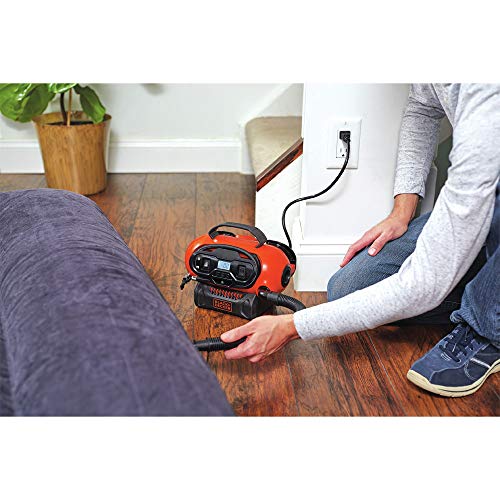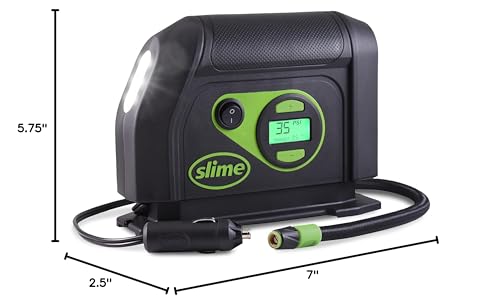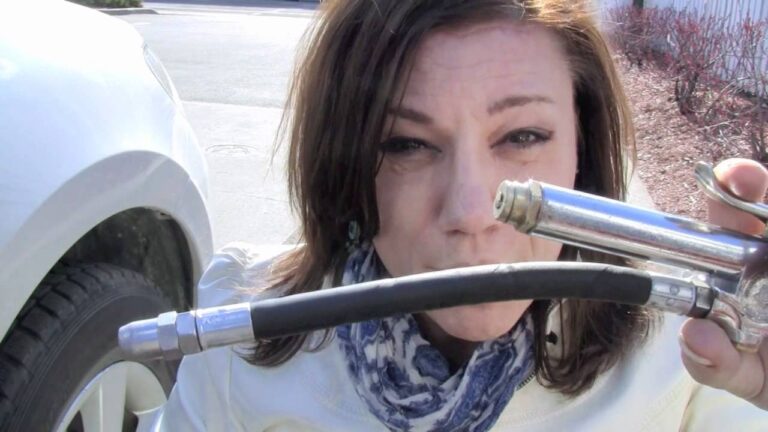
Portable tire inflators work by using a small electric motor or compressed cartridge to push air into a tire quickly.
I have been working with car gear and roadside tools for years. I have tested many portable tire inflators in real life. This guide explains how portable tire inflators work, what parts they use, and how to pick and use one safely. Read on to learn clear steps, useful tips, and real-world lessons to keep you rolling.
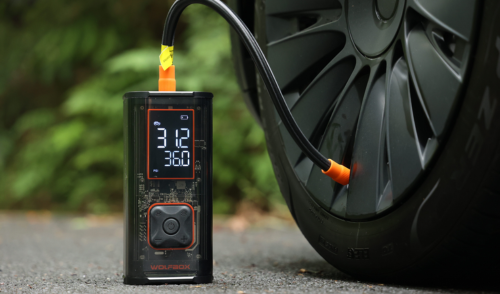
How portable tire inflators work: a simple breakdown
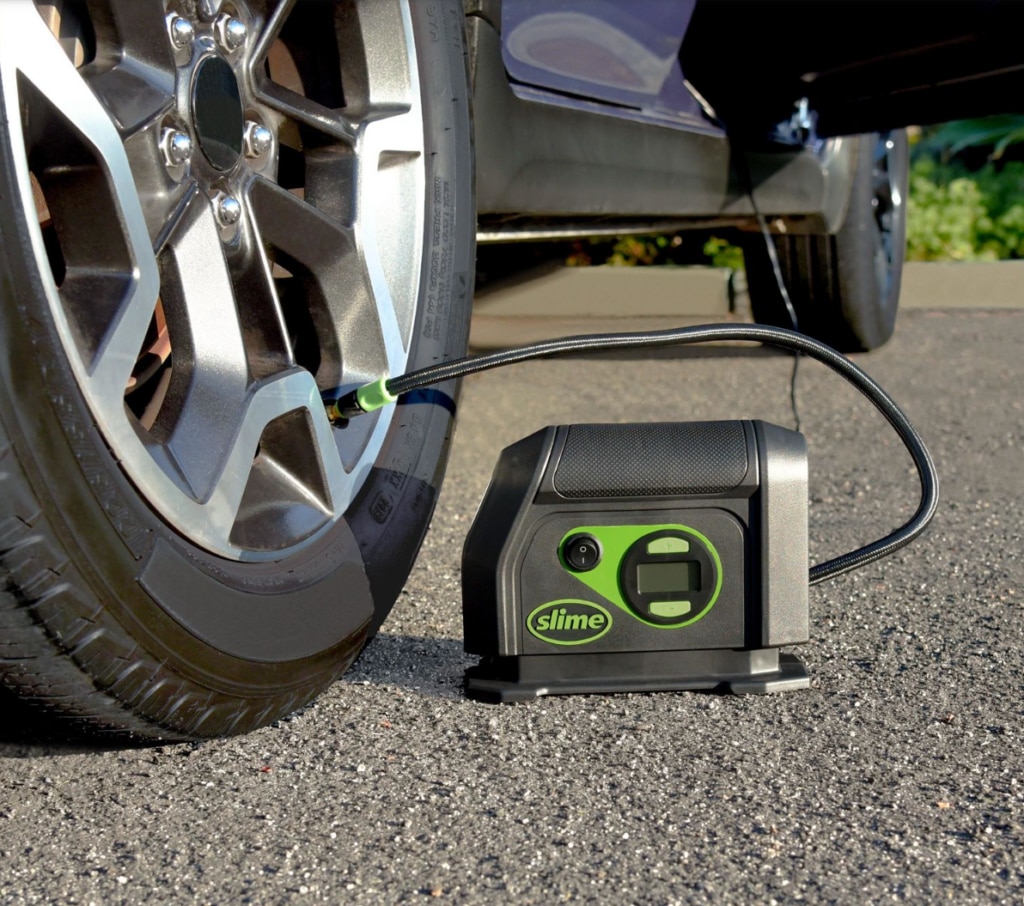
Portable tire inflators add air to a tire using a compact power source and a pump. The pump moves air from outside into the tire until the set pressure is reached. Most models use either an electric motor with a piston or a sealed canister that releases compressed air.
Key steps in the process:
- Power source starts the pump or opens the canister valve.
- Air is drawn or pushed into the pump chamber.
- The pump compresses the air and sends it through a hose.
- The valve on the tire accepts the air until the target pressure is reached.
- A built-in gauge or sensor stops the flow when done.
This flow is the same in most portable tire inflators, whether they are small 12V units, cordless battery models, or CO2 cartridges. I have used each type on long trips. Each one does the job but with different speed and ease.
Key components and how they work
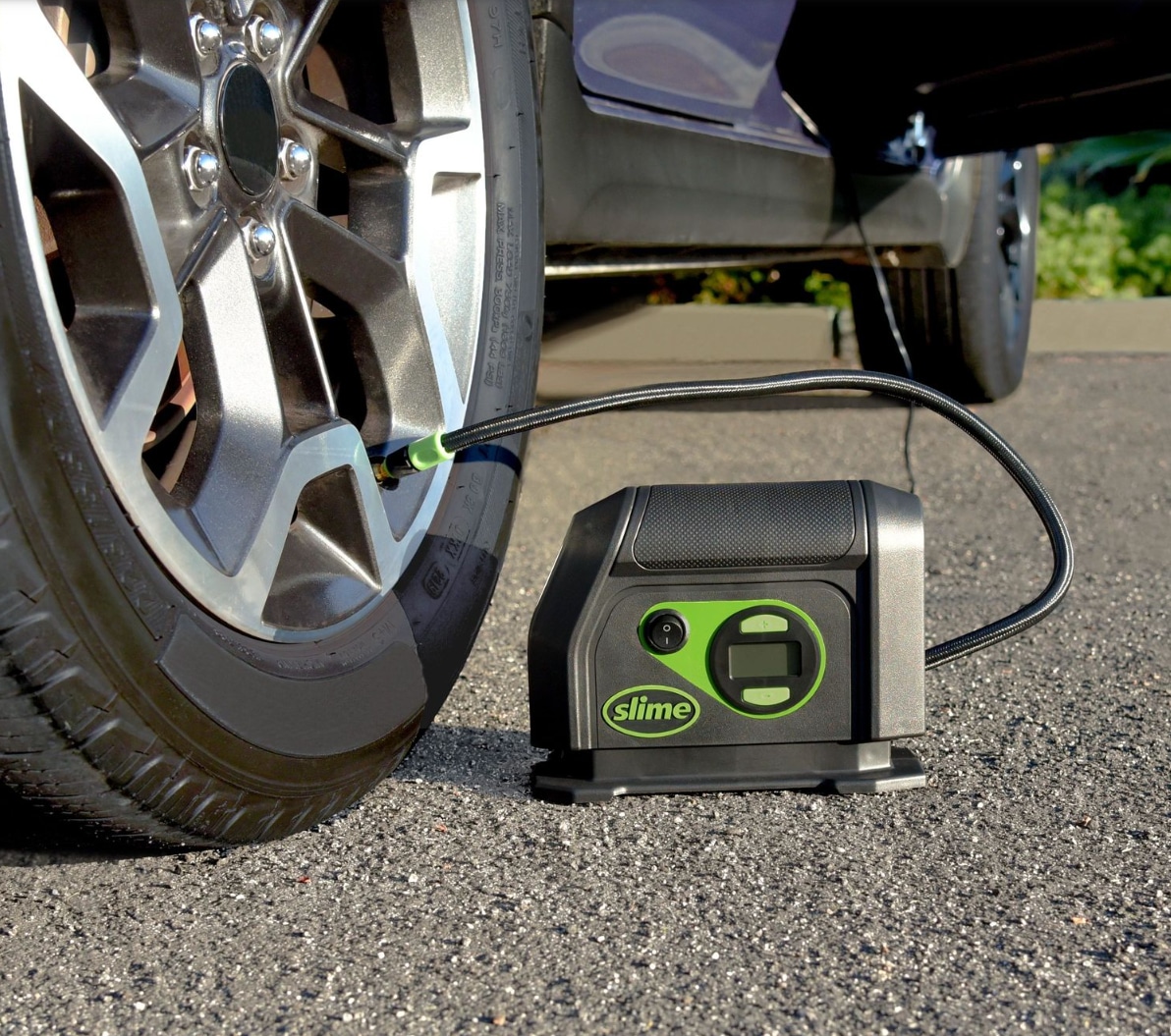
Understanding parts helps you pick the right inflator. Most portable tire inflators share these main parts.
Main components:
- Power source: plugs into a car outlet, uses a battery, or uses compressed gas. It supplies energy.
- Pump mechanism: piston pumps and diaphragm pumps are common. They move and compress air.
- Pressure gauge or sensor: shows or controls pressure. Digital units use sensors. Analog units use a dial.
- Hose and valve fitting: connects to the tire valve. A tight fit prevents leaks.
- Pressure relief or auto-shutoff: prevents overinflation. Some models stop automatically.
Piston pumps push air with a cylinder and piston. Piston pumps usually work faster and run hotter. Diaphragm pumps are quieter and light. Small CO2 cartridges do not pump air; they release stored compressed gas into the tire quickly. I prefer an electric piston pump for highway emergencies because it inflates fast and handles larger tires.

Types of portable tire inflators and when to use each
There are a few common types. Each type fits different needs.
Electric 12V (plug-in):
- Use for cars and light trucks.
- Runs off the car lighter socket.
- Good for long drives or frequent use.
Cordless battery models:
- Use for convenience and portability.
- Best when no car power is available.
- Speed varies by battery size.
CO2 cartridge inflators:
- Use for a fast burst of air.
- Ideal for bikes or quick temporary fixes.
- Not for repeated use without new cartridges.
High-flow compressors:
- Use for trucks, SUVs, and off-road tires.
- Bigger, heavier, and more powerful.
- Good for heavy use but less portable.
My tip: keep a small cordless inflator in your trunk for daily use. Add a 12V model for long trips. For off-road work, choose a high-flow unit.

How to use portable tire inflators — step-by-step
Follow simple steps to inflate a tire safely and correctly.
Step-by-step guide:
- Park on level ground and set the parking brake.
- Check the recommended tire pressure on the door placard or owner’s manual.
- Remove the valve cap and attach the inflator hose firmly.
- Set the target pressure on the inflator, if it has auto-shutoff.
- Start the inflator and watch the gauge.
- Stop the inflator when the target pressure is reached.
- Remove the hose and replace the valve cap.
Safety tips while inflating:
- Do not overinflate. Overinflation can cause a blowout.
- Allow the tire to cool before making final adjustments.
- If the inflator gets hot, give it a break.
From my tests, small inflators can take 3–10 minutes per tire for cars. Larger tires need more time. If you have a slow unit, plan to wait or use a vehicle-powered model.
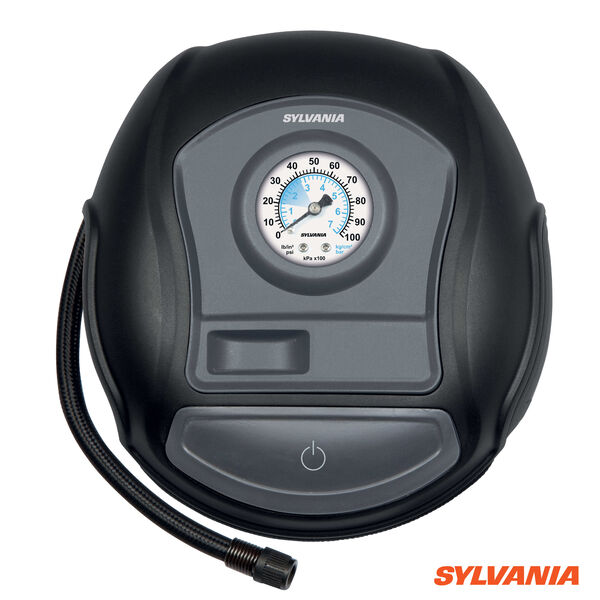
Maintenance, safety, and limitations
Regular care keeps portable tire inflators ready when you need them. Know what they can and cannot do.
Maintenance checklist:
- Keep the hose and fittings clean and dry.
- Charge batteries and test them monthly.
- Check seals and the pressure gauge for damage.
- Store in a cool, dry place away from direct sun.
Safety limits:
- Many compact portable tire inflators struggle with very large or heavy tires.
- Heat buildup can limit continuous run time.
- CO2 cartridges are single-use and must be stored safely.
Real limits I learned: don’t rely on a tiny inflator for a full-size truck tire on a long off-road trip. Instead, bring a high-flow compressor or plan for roadside help.

Common problems and troubleshooting
You may face leaks, slow inflation, or failure to start. Here are quick fixes.
Common issues and fixes:
- Inflator won’t start. Check power connection, fuse, or battery charge.
- Low flow or slow inflation. Check hose for kinks and the pump for wear.
- Gauge reads wrong. Calibrate with a good tire gauge or replace the unit.
- Overheating. Run in short bursts and allow cooling between cycles.
If the inflator leaks at the valve, try a different valve adapter. If the motor smells burnt, stop using it and replace it. In my experience, simple checks catch most issues.
People also ask
What size portable tire inflator do I need?
- Choose one that reaches your vehicle’s tire pressure and fits the tire size. For cars, a small 12V or cordless model is fine; for trucks, choose a high-flow unit.
How long does it take to fill a flat with a portable tire inflator?
- Most portable tire inflators take 3–10 minutes for a car tire. Larger tires take longer.
Can portable tire inflators damage tires?
- Proper use does not harm tires. Overinflation or incorrect adapters can cause damage, so follow pressure specs and use the right fitting.
Are portable tire inflators reliable in cold weather?
- Batteries lose power in cold weather. Corded 12V models perform better in low temps.
Do I need a tire pressure gauge if my inflator has one?
- It helps to have a separate quality gauge for cross-checking. Built-in gauges can drift over time.
Personal experience and practical tips
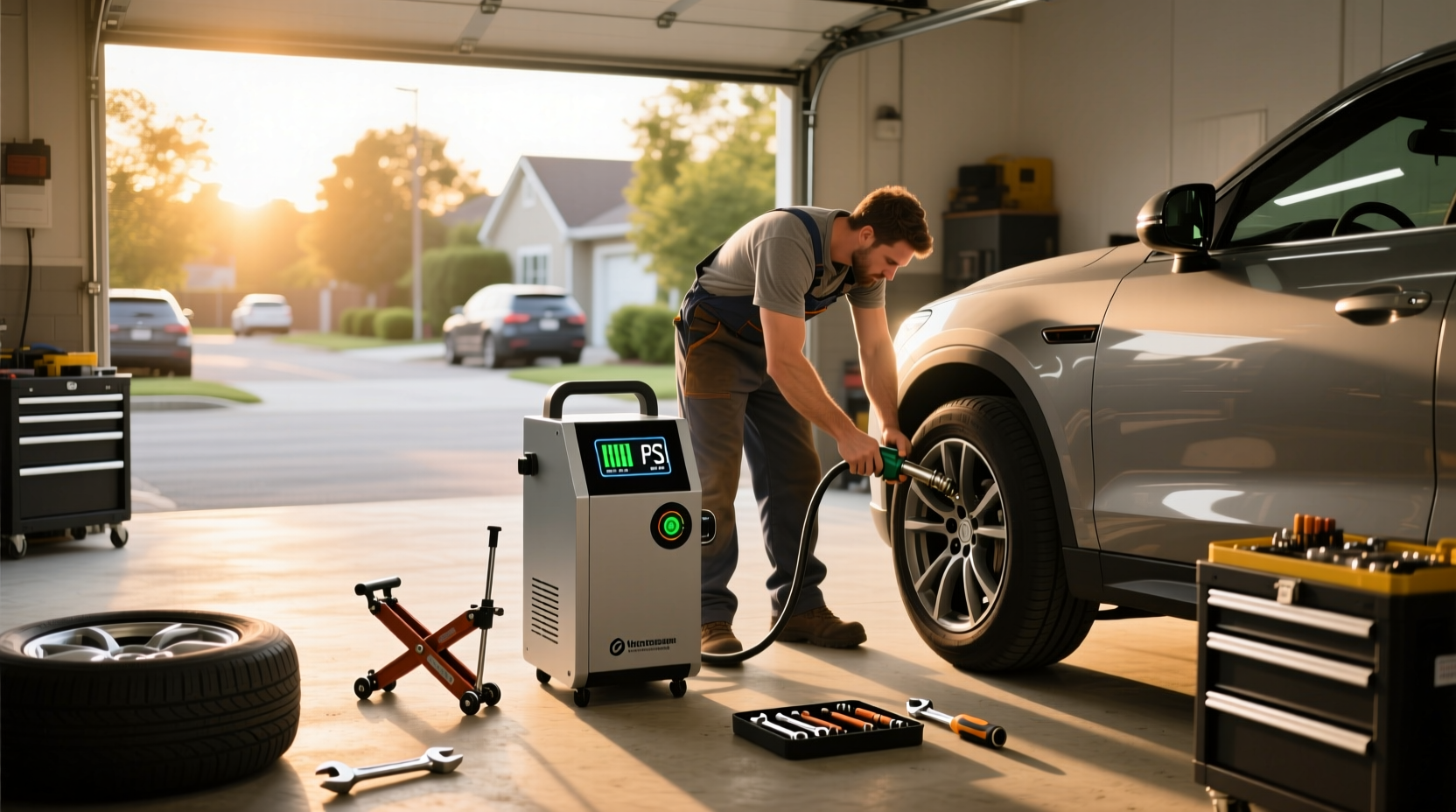
I carry two inflators in my car. One is a compact cordless unit. The other is a 12V high-flow model for long trips. This setup saved me from two roadside waits.
Lessons learned:
- Test your inflator at home before a trip. That way you know it works.
- Keep spare valve caps and a small patch kit. Small fixes extend safe travel.
- Learn to read the tire pressure label on your car. It avoids over- or under-inflation.
A practical tip: label each inflator with its max PSI and power needs. It speeds up decisions during an emergency.

Related concepts and buying guide
When shopping, compare flow rate, max PSI, power type, and weight. Flow rate shows how fast air moves into a tire. Max PSI tells you if it can reach your tire’s pressure. Power type affects portability.
Buying checklist:
- Flow rate in liters per minute or CFM.
- Maximum PSI rating.
- Power source: battery, 12V, or AC.
- Gauge type: digital or analog.
- Hose length and valve adapters.
- Weight and storage case.
Also consider warranty and customer reviews. Test the gauge accuracy at purchase. These steps reduce buyer regret.
Frequently Asked Questions of how do portable tire inflators work
How do I know which portable tire inflator fits my car?
Check your car’s recommended PSI and tire size. Choose an inflator with a max PSI above that and a flow rate that fills the tire fast enough.
Can I use a portable tire inflator for a bicycle?
Yes. Many portable tire inflators include adapters for Presta and Schrader valves. For fast fills, a CO2 cartridge or small bike pump may be more handy.
How often should I test my portable tire inflator?
Test it every month and before long trips. Regular checks ensure batteries are charged and the unit works when needed.
Will my portable tire inflator work on a truck tire?
Some will, but many compact units are too small for heavy truck tires. Look for high-flow models with higher max PSI for trucks.
Are built-in gauges accurate on portable tire inflators?
They can be accurate, but they may drift. Keep a separate quality gauge to verify readings and calibrate if needed.
Conclusion
Portable tire inflators are simple tools that save time and stress. They use a power source and a pump or cartridge to push air into tires. I recommend testing your inflator often and choosing a model that matches your vehicle needs. Try the tips here to pick, use, and care for your unit.
Take action today: check your car’s tire pressure label, test an inflator at home, and add one to your emergency kit. Share your experiences or questions below and subscribe for more hands-on car gear advice.